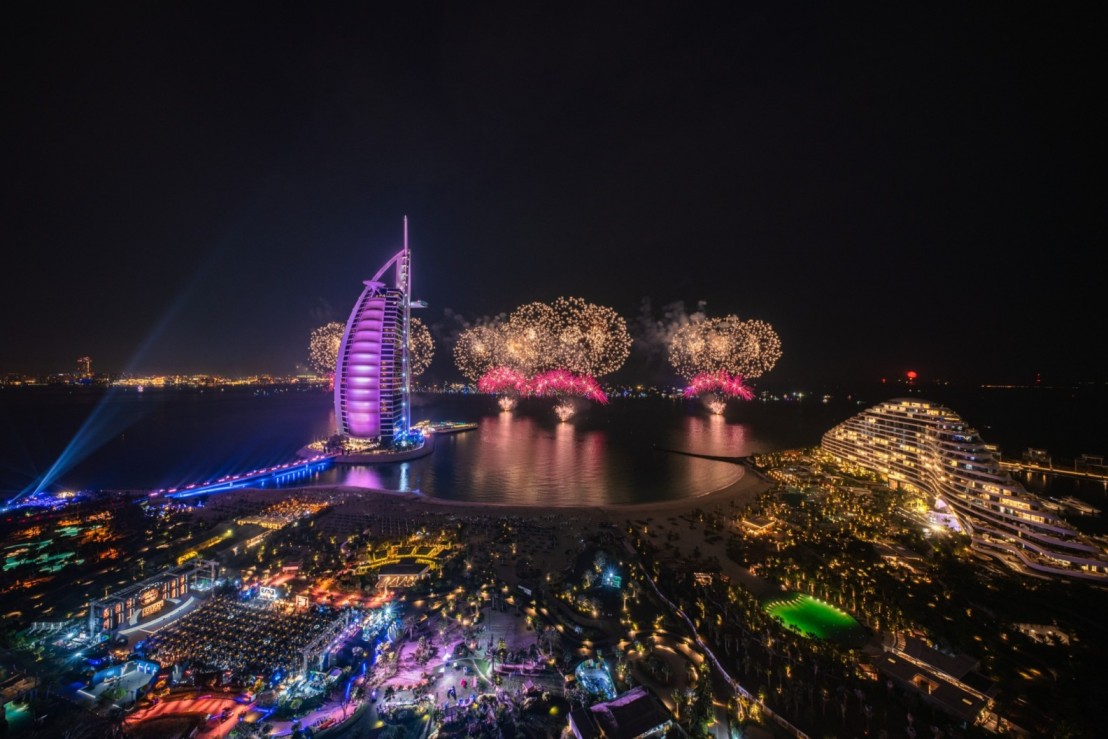
Dubai has strengthened its appeal among African travelers, attracting 897,000 visitors from the continent in 2025—accounting for 5% of total international arrivals. Focused marketing campaigns, customized offerings, and efforts to address common misconceptions have driven particular interest from Kenyan and South African tourists, who increasingly regard Dubai as an engaging and reachable destination.
This African visitor growth contributed to Dubai’s tourism sector achieving 19.59 million international arrivals in 2025, a 5% increase over the previous year. Western Europe remained the largest source market at 21%, while the Gulf Cooperation Council (GCC) and broader Middle East and North Africa (MENA) region together generated 26% of arrivals—the GCC delivering 2.99 million visitors (15%) and MENA contributing 2.17 million (11%).
December 2025 set a new benchmark, with Dubai recording 2.04 million international overnight visitors in a single month for the first time. Major events including the Dubai Shopping Festival and Dubai Fitness Challenge—which drew 3 million participants, up from 2.7 million in 2024—fueled this growth.
His Excellency Issam Kazim, CEO of the Dubai Corporation for Tourism and Commerce Marketing, addressed the milestone: “Breaking the 2 million mark in December reflects our dedication to delivering outstanding visitor experiences and reinforcing Dubai’s standing as a premier global destination.”
He continued, “These record arrivals demonstrate international confidence in Dubai and validate policies aligned with the Dubai Economic Agenda, D33. This achievement reflects collaborative efforts across sectors and communities that drive our city forward.”
Dubai’s diversified tourism approach, built through partnerships with over 3,000 international stakeholders, aligns directly with the D33 agenda, which targets doubling the emirate’s economy by 2033. Tourism and hospitality remain central to economic expansion, contributing substantially to GDP and supporting Dubai’s ambition to lead globally in business, leisure, and investment.
Kazim highlighted the role of partnerships: “Working with public and private sector partners, we’re committed to ongoing investment in capacity, infrastructure, and initiatives that position Dubai as the world’s premier city for visitors, residents, and professionals.”
Several factors underpin Dubai’s success with African tourists. The “Visit Dubai” campaign and collaborations with African influencers and travel agents have addressed misconceptions around alcohol access, nightlife options, dress expectations, and Ramadan observances. Dubai’s reputation as one of the world’s safest cities has particularly resonated with African families and independent travelers.
In 2025, Dubai ranked among the top 10 safest cities globally in Numbeo’s Safety Index, scoring highly for personal security and women’s nighttime safety. The city also earned recognition as the first Certified Autism Destination in the Eastern Hemisphere, underscoring its commitment to accessible tourism.
African visitors find diverse experiences in Dubai, from adventure activities at Hatta Wadi park to upscale dining and nightlife in high-rise venues. The city’s culinary landscape, shaped by nearly 200 nationalities, has gained international acclaim. In 2025, Dubai establishments including Trèsind Studio and Orfali Bros appeared on the World’s 50 Best Restaurants list, reinforcing the city’s culinary credentials.
Dubai’s accommodation sector has expanded to meet demand. By year-end 2025, the city offered 154,264 hotel rooms across 827 properties, with occupancy averaging 80.7%—up from 78.2% in 2024. New openings such as Ciel Dubai Marina, the world’s tallest hotel, and Jumeirah Marsa Al Arab have elevated Dubai’s hospitality profile.
As Dubai advances its global competitiveness, African tourism is positioned for continued expansion. The UAE’s Year of the Family in 2026 will emphasize inclusivity and cultural connection through authentic experiences and community events. Major infrastructure developments, including Al Maktoum International Airport expansion and the Dubai Metro Blue Line, will further enhance accessibility and visitor capacity.