Long before I ever reported on American politics and understood the US-Africa geopolitics, America was already a major influence on an African teenager like me in the 2000s.
It was there in my mother’s bargain hunting of second-hand clothes from Nairobi’s famous Gikomba market. American brands like Tommy Hilfiger polos, the Calvin Klein tags, the Gap sweatshirts and Nike swooshes arrived in bales and found their way onto Kenyan wardrobes.
America was there in the Hollywood films that filled our screens. The R&B and hip hop lyrics published in the teens sections of our Saturday newspapers gave us a taste of the continent far yet close.
Long before “geopolitics” meant anything to me, America was already an imprint of daily life, not a foreign policy, but a wardrobe, a soundtrack, a backdrop. Tyra Banks, Oprah Winfrey, Maria Carey and Whoopi Goldberg had done the groundwork.
So when I became a journalist and began, in earnest, to report on geopolitics, I wasn’t stepping into unfamiliar territory. I was simply naming something I had already been living inside.
2012: Rewriting Obama for an African Audience
In 2012, as Barack Obama campaigned for a second term, I was in the newsroom. As a fresh adult, straight out of University, rewriting BBC World Service copy for audiences across East and Central Africa was an exciting assignment.
I wrote and produced radio current affairs programmes for Anglophone audiences across the continent and for Swahili-speakers in East Africa and the Great Lakes region. My job was to take American political news and make it relevant, ours.
It was hard not to feel the weight of what I was translating.
Here was a sitting American president with direct ancestral ties to Kenya, asking his country for a second term. My reporting at the time dwelt on a question that felt bigger than trade statistics: could an African American president with roots in Kenya mean that Africa’s ties to the United States were no longer only diplomatic and commercial, but cultural, even human?
Was this the moment the relationship stopped being transactional and started being personal, in the way it had already been personal to me, growing up?
I didn’t know the answer then. I’m not sure I fully know it now. But I remember believing it was possible.
2015: A Seat at the Table for Africa
Three years later, I got to witness what felt, at the time, like an answer.
In 2015, I worked as one of the BBC reporters covering President Obama’s historic visit to Kenya and Ethiopia, the first sitting US president to visit Kenya, the first to address the African Union in Addis Ababa.
I remember the pride of it. Watching Africa sit at a table to negotiate with a president I believed had genuine interest in the continent, not just its markets or its instability, but its people, its potential, its future.
For a young African reporter, it was a rare thing: to cover a moment that felt like ‘Africa Rising’ was no longer a slogan but had become a lived reality. Africa wasn’t being talked about. It was being talked to, and talked with.
2026: DRC at the heart of the new scramble
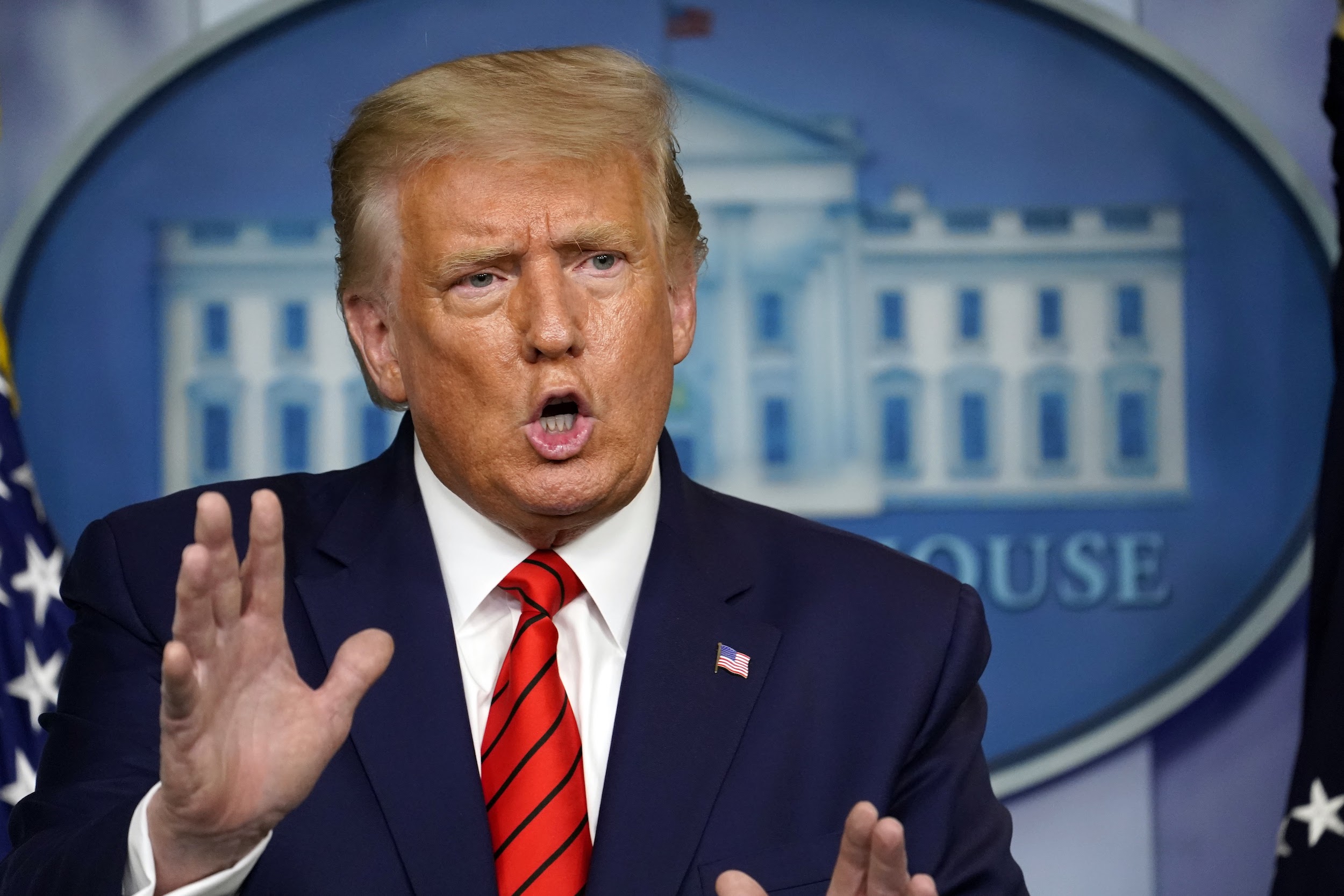
It is fair to say that the US’ approach to Africa under the 2nd Trump administration is unorthodox. Gone are the career Africanists who, for decades, have been at the heart of Washington’s involvement on the continent. Replacing them are the geopolitical mercantilists, whose ideas hinge on using trade as a tool for positioning America as a superior power.
That isn’t to say President Trump’s approach is completely wrong. Many Africans, particularly younger ones, welcome his trade-not-aid agenda.
It is viewed by some as a pivotal, and long overdue, shift away from dependence to a more equitable economic partnership which prioritizes wealth creation over Western paternalism.
However, while the administration has made progress towards establishing deeper ties with African states such as Morocco, Zambia and Angola, a highly embarrassing incident last week underscored the second-order effect of gutting DC’s institutional diplomatic heft.
During an Aids conference in Brazil, State Department officials presented a glaringly erroneous map of Africa, completely misidentifying six countries, including supposedly significant partners such as Nigeria and Ivory Coast.
The State Department’s own explanation, that a junior team member hurriedly altered the deck, and former official Cameron Hudson’s lamentation that the blunder was the result of too junior staff working without proper supervision, tells a structural story.
DC’s old Africa hands are gone, subject matter experts are no longer at the tiller, and AI is now filling the gaps.
The US administration has left more than 40 African nations without a Senate-confirmed ambassador.
In a move described by the American Foreign Service Association as “institutional sabotage,” it recalled more than a dozen career ambassadors from the continent. How then can the US credibly pursue President Trump’s ambitions of a new sunlit uplands for Africa driven by economic prosperity? Allies of the administration would point to the DRC as an example of Trump’s diplomatic revisionism working.
A Move on Kinshasa
In December 2025, President Trump convened the signing of the historic Washington Accords, a tentative peace agreement between Kinshasa and its longstanding adversary Rwanda, in what Secretary of State Marco Rubio described as “an important moment after 30 years of war.” The US and DRC then finalized and signed their Strategic Partnership Agreement, granting American firms preferential access to the Congo’s abundance of critical mineral reserves.
By all of Trump’s metrics, his dealings in the DRC have been a great success. Peace, commerce, and PR-able moments to flaunt his “peacemaker-in-chief” credentials.
And yet, implementation of the peace agreement has faltered on the ground. Rwanda-backed incursions in the east of the country continue, with thousands killed and 3.6 million Congolese still internally displaced.
Analysis of why the conflict persists paints a stark picture: fragmented security institutions, intercommunal distrust, and the DRC’s opaque and unstable mineral sector coalesce into a complex crucible of challenges which would test even the most experienced diplomats. This, of course, has been exacerbated further in recent months by the worst-ever Ebola outbreak in the country.
An overlooked factor, however, is the absence of any formal recognition of the historic atrocities committed in the DRC over the past three decades. The country has endured what is estimated to be the deadliest conflict since 1945, with the International Rescue Committee putting the toll at some 5.4 million excess deaths between 1998 and 2007.
President Tshisekedi, at last year’s UN General Assembly, described it as a silent genocide. How then can a country seek to implement an enduring peace and long-term reconstruction if the scars left by generations of systemic violence have gone unacknowledged and perpetrators unaccountable?
These are all questions that traditional US diplomats would be asking of their political principals during the Washington Accords’ infancy. It is notable that Stephen Rapp, former US Ambassador-at-large for War Crimes under the Obama administration, has recently joined a new international advisory council exploring that exact issue.
Those around President Trump, however, continue to deprioritize the ‘softer’ side of its international relations, not only in the DRC but in Africa as a whole.
The President’s laudable vision for the continent cannot be secured by check-book diplomacy alone. Only substantive engagement, from Heads of State down to embassy attachés, will create the conditions necessary for lasting peace and prosperity.
By Frenny Jowi