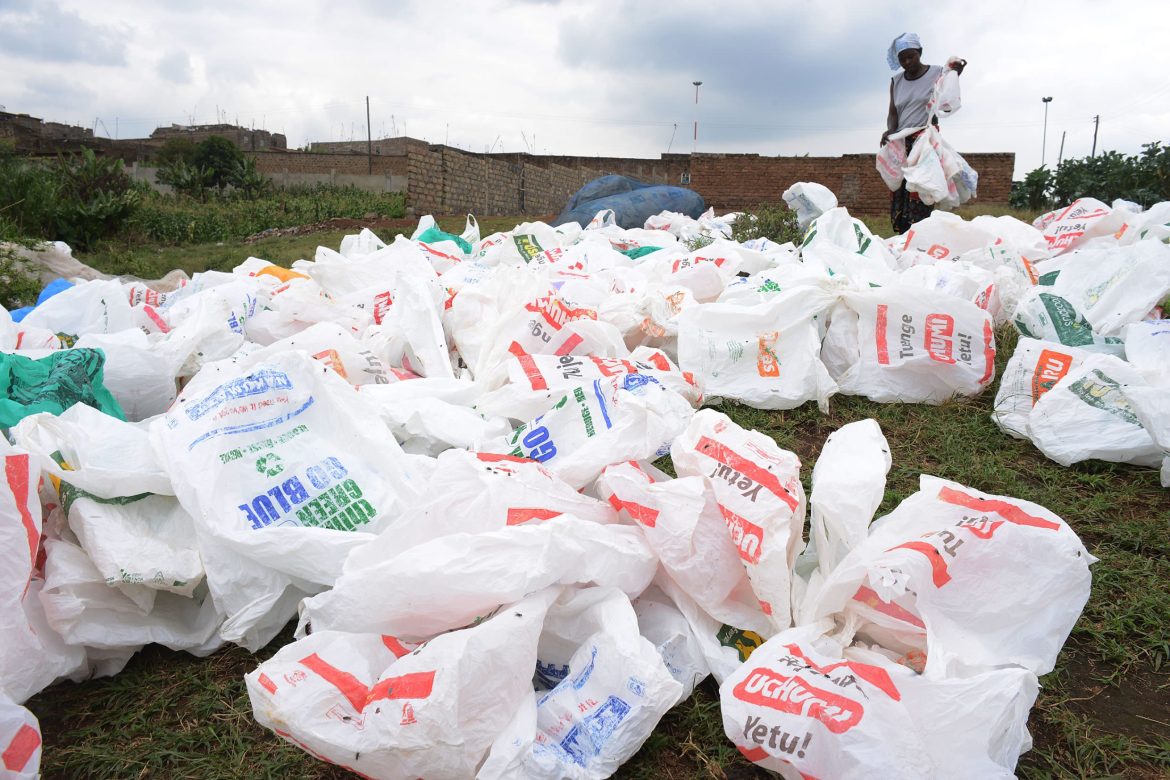
Kenya’s revised plastic packaging laws are now in effect and impose more stringent rules on producers, importers, and distributors. The regulations, which were implemented via Legal Notice 181 of 2024, cover plastic films, flat bags, and carrying bags as well as packaging for imported goods.
Both local companies and foreign suppliers entering the Kenyan market are subject to increased compliance requirements as a result of the reforms.
The rules are a component of Kenya’s larger initiatives to enhance recycling and reduce plastic waste. They implement a systematic framework that addresses product standards, waste management, and licensing throughout the plastic packaging value chain.
Before manufacturing, importing, exporting, or utilising plastic packaging materials, businesses must get licences under the new Kenyan plastic packaging legislation.
Manufacturers, merchants, and logistics companies are all affected by this. Only approved vendors are permitted to provide packaging to businesses, increasing supply chain oversight.
This implies that completing Kenya’s regulatory criteria is now a prerequisite for market access for international suppliers. The same regulations that apply to locally manufactured goods also apply to imported goods packaged in plastic. Under current environmental legislation, noncompliance may result in penalties.
Extended producer responsibility (EPR) is a crucial component of the legislation.
Businesses that sell plastic packaging in Kenya are accountable for managing its waste. This involves establishing or integrating systems for the safe collection, recycling, or disposal of plastic waste.
Companies are required to provide the government with EPR plans that detail how they will handle packaging trash and achieve recovery goals. Additionally, they must provide reports on a regular basis regarding the amounts of plastic packaging that are introduced and collected.
These regulations are in line with a worldwide trend in which governments transfer waste management expenses from public systems to manufacturers.
Clear product requirements are also introduced by the plastic packaging compliance framework. Labels with the producer, material type, and pertinent identifying codes must be included on packaging. This facilitates recycling procedures and enhances traceability.
In certain situations, businesses have to adhere to minimum standards for recycled content. Additionally, companies must file yearly reports to regulators and maintain thorough records of output, imports, and usage. Another level of control is imposed on importers by the requirement that packing materials be declared at entry ports.