TradeMark East Africa (TMEA) and the AfroChampions Initiative (ACI) on Thursday signed a partnership agreement committing to provide support to governments and the private sector in realising the Africa Continental Free Trade Area.
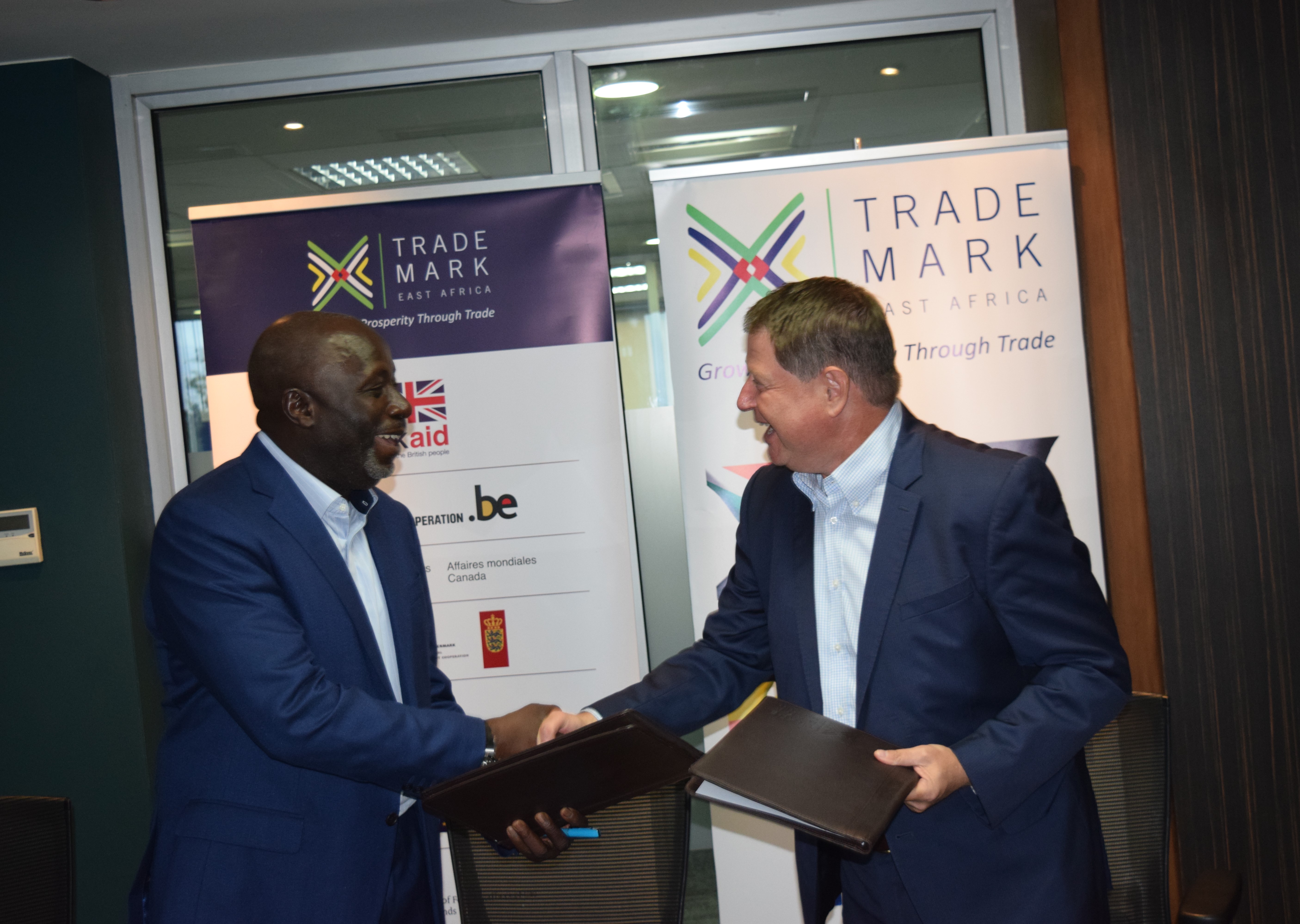
TradeMark East Africa (TMEA) and the AfroChampions Initiative (ACI) on Thursday signed a partnership agreement committing to provide support to governments and the private sector in realising the Africa Continental Free Trade Area.

Top African leaders, including heads of state, Ministers, Chief Executives and representatives from the African Union and United Nations, will be converging at the inaugural Africa Business: Health Forum (AB:HF) in Ethiopia on 12th February 2019 at the beginning of the African Union Summit.

The new financing is to scale up the country’s largest water and sanitation sector investment program

Dimension Data East Africa, trading as Dimension Data Solutions Limited will launch its digital business solutions in East Africa in 2019.
Using big data and analytics, artificial intelligence and machine learning technologies the firm will start deploying niche solutions targeting its core client segments of financial services, public sector, telecommunications, and manufacturing in the region, with Kenya as the hub.
“Digital services are a leading driver for the Kenyan economy today with the market value expected to reach USD 3,5 billion in 2019. This is projected to grow to USD 5 billion in 2022”, said Ndung’u Kahindo, General Manager, Solutions at Dimension Data Solutions.
Working with key technology partners such as Cisco, SAP, Oracle and Microsoft, Kahindo explained that Dimension Data was keen to work with various stakeholders to replicate in East Africa the successes of its digital solutions services in other countries.
“As the official technology partner for Tour de France, our cloud-based solution gives billions of cycling fans, media, and commentators access to accurate and secure rider data, including live speed, location of individual riders, and composition of groups. In South Africa, we have learnt valuable lessons on connected conservation, where in just two years, we helped reduce rhino poaching by 96% in the Kruger National park”, he said.
Noting that East Africa was undergoing tremendous economic growth on the back of an innovative culture, and highly skilled workforce, Kahindo said 2019 was the most opportune time for the Information Technology (IT) Systems Integrator & Managed Services Provider to introduce the services within its niche, Large corporate, multinational and Medium size enterprises space.
In November, Dimension Data East Africa was feted Africa Partner of the Year at the Cisco Partner Summit 2018, held in Las Vegas, United States. The company was honoured for demonstrating excellence in innovation, business growth, customer satisfaction and competitiveness based on Cisco technology.
“We are delighted by the confidence the Kenyan and larger African market continues to show in our business transformation services. Even so we realize that businesses continue to face huge technology challenges, such as cybersecurity which remains the biggest threat in the Financial services, manufacturing and public sectors in the region”, said Kahindo.
Insider threats due to poor network visibility and monitoring, malware downloads from malicious websites resulting from poor web traffic monitoring and email phishing were identified as the key cybersecurity challenges faced by businesses in 2018.
Local industry experts estimate that financial losses due to breaches are expected to reach Kes 21 billion in 2018 up from Kes 17.5 billion in 2016. Kenya has remained largely reactive to cyber risks, a situation further aggravated by a severe shortage of security experts not only locally, but also globally.
But with most companies not obliged to report financial losses, and related infiltrations these figures could be much higher, noting that mobile fraud, sim swap, SMS phishing and Internet of Things (IOT) breaches are rarely tracked or recorded. Dimension Data estimates that a ransomware attack occurs every forty seconds somewhere around the world.
Recent efforts by the Central Bank of Kenya that introduced cybersecurity standards and guidelines in 2018 have however driven urgency and proactivity in addressing cybersecurity challenges in the local financial services sector.
According to a cybersecurity report by business consultancy and research firm Frost & Sullivan, up to 62% of companies in Kenya have suffered at least one form of cyber breach before. The report notes that cybersecurity market in Kenya is worth about Kes. 43,6 billion, and expected to reach 52.5 billion in 2020, offering a huge opportunity for innovative solutions in the sector.
” From converged networks a few years back, we now have a vast ecosystem of hybrid infrastructures running on cloud, on-premise and mobile systems. This is only going to increase the pressure on data security as organisations seek to increase revenue and reduce operating costs”, explained Kahindo.
In addition, the combined lack of a unified response by the security industry to threats, and diversification of illicit subscription services, automated software toolkits, and the ever growing online criminal support forums have also reduced barriers to entry for cyber criminals.
“We need to make cybersecurity more intelligence-driven, so as to counter fast-moving and automated attacks while managing the ever-changing threat landscape. Intelligence is key to timely and predictive responses”, said Kahindo, adding that vulnerable sectors such as healthcare and professional services in Kenya need to emulate the financial sector.
The Dimension Data cybersecurity rends report 2019 notes that by 2020, more than 60% of organizations are expected to invest in multiple data security tools, such as data loss prevention and encryption.

Clarisse Irigabize, 30, has been on a mission over the last eight years to improve lives through technology in her native Rwanda. The founder and CEO of DMM.HeHe Limited –a mobile technologies research and development company, is leading disruptive solutions that drive the country’s crucial economic sectors. She reveals to East African Business Times’ writer Ben Oduor her entrepreneurial journey, current and future plans for the business.
Excerpt;
Why was DMM.HeHe Ltd created? What major problems does the firm solve that most of its peers in Rwanda can’t?
DMM.HeHe was born out of a college project while I was attending an MIT incubation program on mobile technologies. Our vision was to create a world where, through the power of mobility, geographical barriers to information and services would seize to exist. We build mobile-first geo-location technologies enabling any business to offer their products or services on-demand, turning your typical mom and pop shop or traditional market into a fully automated e-commerce business for as low as $20 (Ksh2000). Attaining this level of scale and affordability is the key differentiator.
What inspired the business’ name DMM.HeHe and what are some of its products and services?
HeHe means ‘Where’ in Kinyarwanda. We have been building geo-location technologies since our founding to bridge information and service gaps that would typically exist due to distance. We are currently digitizing the agriculture, consumer goods and healthcare value chains, providing supply-chain solutions to match demand and supply such as warehouse and inventory management, digital payments, last mile delivery and e-commerce services.
What are some of the most significant achievements recorded by the firm over the last few years?
DMM.HeHe has had quite a number of accomplishments but if I were to pick a few, the launch of our Research and Innovation arm in 2013 that has graduated over 400 youth to-date and launched great mobile technology startups and products would be one of them. Obviously, our recent acquisition (by Japanese firm DMM) is another huge milestone that has allowed us to have much greater reach and impact.
DMM.Hehe has attracted two key accolades in the past; its founder was named one of Forbes 30 under 30 while the firm won $50000 grant from Inspire Africa contest in 2010. What role has each of these two remarkable awards played in the life of the business?
Accolades for us have always been a reminder that we are appreciated. These for us were fuel when we faced challenges common to any start-up. They also created confidence in the market that often resulted in business opportunities.
With the gradual increase in the number of entrepreneurs in Rwanda, more multinationals have been enticed into partnerships. Who are some of your most crucial local and multinational partners? How have your engagements impacted your target markets?
Besides our investors, we have other partners such as Coca-Cola EKOCENTERS with whom we are partnering to improve the retail experience for less privileged consumers. We have also partnered with several education institutes in the areas of applied research for scalable deployment of relevant and impactful technologies across the continent. These partnerships have enabled us to impact more youth and women.
How many clients have benefited from your enterprise to date? What impact did this create in their lives?
We serve over 2 million users across the region, creating efficiencies in the transport, agriculture, consumer goods and healthcare value chains. We have seen the impact from the creation of jobs to increased incomes and profitability for people and businesses that we serve.
President Kagame’s administration plans to transform Rwanda into a highly digitised middle-income country by 2020. Do you foresee this becoming a reality? What role is DMM.Hehe positioning itself to play in helping deliver this vision?
We are optimistic about this vision and have aligned our strategies to contribute to its achievement. DMM.HeHe is digitizing several businesses in the above-mentioned value chains which are critical to our economy. We are particularly ecstatic about our work in the automation and modernization of traditional African markets. Being a 60% agrarian economy, the impact this service will have, from reducing post-harvest loss to increasing farmer incomes, is immense. This goes without mentioning the impact on other consumer goods sold in these markets.
DMM.HeHe has also recently digitized Rwanda’s entire postal service, a significant contribution to Rwanda’s 2020 vision.
What informed the decision to acquire leading e-commerce firm GroceWheels? Which initiatives are in place to ensure the firm becomes more efficient in service delivery?
Seeing that GroceWheels was already in the last-mile grocery delivery business, we saw it as a way to get our feet wet in the last-mile delivery business. They already had a few consumers online who were willing to try out e-commerce services and early adopters help shape our products.
What are the short and long-term goals of DMM.Hehe Ltd?
DMM.HeHe is looking to spur the 4th Industrial Revolution in Africa by leveraging technology to create an efficient supply chain service to match demand and supply, enabling consumer goods manufacturers, distributors and retailers to reach the end consumer more conveniently while facilitating consumers to access a variety of goods conveniently.
In Agriculture, our short-term goals are to see a reduction in post-harvest loss to less than 20% in the next few years while ensuring equitable participation for farmers. Currently, the loss is at about 40%.
In the healthcare and consumer goods space, our goal is to reduce distribution costs from 50% to less than 10% of the final price, a cost that is often pushed to the end-consumer, making some basic goods such as soap and medical supplies inaccessible for most African buyers.
Which challenges is the enterprise currently grappling with? How are you mitigating them?
Low levels of digital literacy and high costs of technology infrastructure such as internet still contribute to slow growth in some parts of the continent. This is why our partnership with EKOCENTERS that will entail providing access to energy and internet connectivity, makes a lot of sense for us. We see this as one of the ways we are overcoming these challenges to reach more people.
How does the future look like for DMM.HeHe Ltd?
We have always wondered about the future as a company, which is why our tagline is ‘Invent the Future.’ The future will be what we are actively creating now.
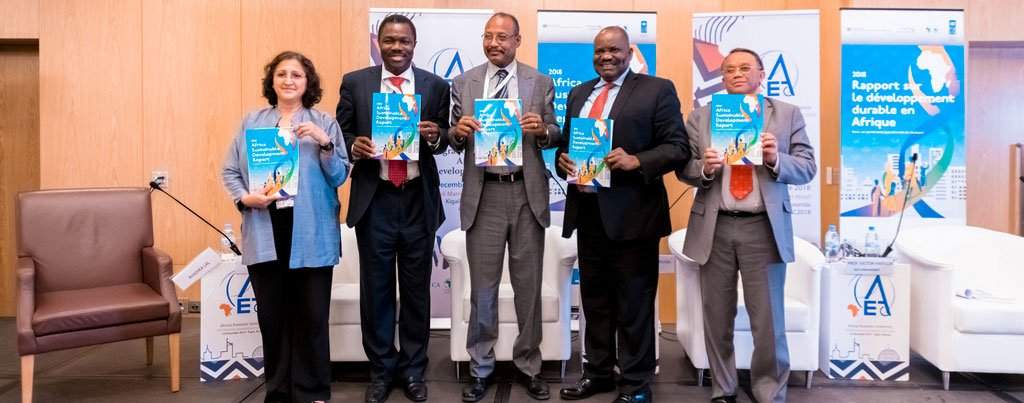
The annual Africa Economic Conference is the continent’s leading forum fostering dialogue and knowledge exchange in the search for solutions to the development challenges of Africa
The organizers of the Africa 2018 Forum have announced that nine heads of state have confirmed their participation as well as some of Africa’s leading industrialists. They had over 4,000 requests for registration with nearly 2,000 expected delegates.
By Ben Oduor
More than 70 percent of the globe is covered in water. And despite the aquatic world being centre of economic activity, enabling millions of households to make their livelihoods from activities such as fishing, shipping and tourism, harnessing the potential of oceanic resources has been a major challenge.
Plastic pollution, overfishing and maritime threats deals a heavy blow to the rich economic opportunities at the coast. Sources estimate that over five trillion items of plastics currently litter the oceans- approximately 12 million tonnes of plastics goes into the oceans annually.
According to Chatham House, a London-based non-governmental organization, one in ten fish caught in the water bodiesthat is not the species targeted by the fisherman is often thrown back into the ocean- usually dead- where it becomes waste.
As the earth’s population looks to grow from the current 7 billion to 9 billion over the coming 40 years, the Organisation for Economic Cooperation and Development (OECD) says proper management of fisheries that ensures sustainable fishing stocks would be crucial in feeding the extra 2 billion people.
“Increasingly, people will live in cities. One in three people on the planet already live near the coast and the percentage is rising. Eight of the planet’s 10 biggest cities (such as Seoul, Tokyo, Osaka, New York, Sao Paulo, Mumbai, Jakarta and Shanghai)are by the sea. The coastal cities will play a crucial role in the blue economy,” OECD says.
Inside the blue economy
This sentiment is supported by the United Nations, which suggests that countries should green their coastal regions through the concept blue economy. The concept is about improving human wellbeing and equality while reducing environmental risks and creating sustainable jobs.
It demands that people use local resources to strengthen a circular economy; take responsibility in decision making and to implement innovative technologies like transitioning to smart energy- which entails re-using and recycling products to save money and the planet.
According to World Bank, blue economy comprises a range of economic sectors and related policies that together determine whether the use of oceanic resources is sustainable. The concept, the global lender explains, has diverse components including established traditional ocean industries such as fisheries, tourism, and maritime transport.
Additionally, it has new and emerging activities like renewable energy, aquaculture, seabed extractive activities and maritime biotechnology. Proponents of the concept see a promising future in the oceans, with a capacity to provide desperately needed jobs.
The African Union believes blue economy is the “New Frontier of African Renaissance.” With 38 of Africa’s 54 states bordering the coast, the continent appears to have refocused its energy on harnessing the potential of its lakes, oceans, seas and rivers.
For instance, in Kenya’s third largest city Kisumu, UN-Habitat has partnered with the County Government to initiate the Lakefront Planning and Redevelopment. The initiative is projected to attract significant trade and investment opportunities in addition to extending the spatial boundaries of the city’s business district.
First global blue economy conference in Kenya
On the other hand, the UN body has pledged to support the ‘first ever global Sustainable Blue Economy Conference (SBEC)’between November 26th and 28thin Nairobi, following intense lobbying by the Kenyan government.
SBEC conference will focus on two pillars; the first on Sustainable, Climate Change and Controlling Pollution while the secondon Production, Accelerated economic growth, Jobs and Poverty alleviation.
Addressing Kenyan officials during the conference’s pledging session in Nairobi early this year, Maimunah Mohd Sharif, the Executive Director for UN Habitat said the organization’s support for SBEC conference would include technical demonstration of innovative models that guide planning of coastal cities and towns.
UN-Habitat, she said, would use the conference to mobilise member states with coastlines, lakes and rivers to participate and share their experiences.
They would also use the platform to call on experts in urban planning and design, municipal finance and local economic development, urban basic services with experience of water-front planning and management to participate in the Blue Economy Conference so as to share their knowledge in the concept.
On his part, Macharia Kamau, Kenya’s Permanent Secretary for Foreign Affairs said the Ministerial Conference will provide a forum to advance the global conversation on sustainable development of the Blue Economy.
The conference, he said, presents immense opportunities for the growth of the country’s economy especially sectors such as fisheries, tourism, maritime transport, off-shore mining, among others, in a way that land economy has failed to do.
“The Blue Economy is a frontier for development as we move to tap into the productive capacity of our water resources and empower communities in a sustainable way as we build our economy,” the PS said, adding: “Historically, great civilizations and empires have been built around and through resources from lakes, rivers, seas and oceans.”
Such resounding support for the new concept appears to have reverberated down to tourist associations. In an exclusive interview with the East African Business Times, Julius Owino, Chief Executive for Kenya Coastal Tourism Association (KCTA) disclosed that Kenya’s coastal counties were yet to fully benefit from resources around the Indian Ocean; this despite the many idle opportunities in the region.
He urged coastal county governments to fully explore the potential of the ocean as this would enable households in the region benefit from jobs in the hotel business, boat making and tour guide and management, whilst innovating ways of managing the aquatic resources.
Echoing his sentiments, Tim Smith, the founder of HVS, a leading hospitality and tourism consultancy firm in Europe, the Middle East and Africa (EMEA), adds that administrators should extend more resources to developing quality infrastructure.
With direct flights from Kenya to America soon to be launched and construction of a cruise ship terminal underway in Mombasa, the region is expected to receive more tourists, most of who will expect to operate through a developed communication and road network to their preferred destinations, Smith says.
“However, this also means creating more awareness and cohesion between the visitors and the public on how they can manage the oceanic resources for sustainable development as there are so many economic activities yet to be explored in the sector,” the chartered surveyor adds.

Real Estate firm HassConsult has on Wednesday announced Kenya’s first sensory botanical garden, designed by award-winning Spanish architects iGreen to sit within the innovative township filled with cascading waterfalls and community facilities.
The township dubbed “Enaki” is complete with golf carts for residents and visitors, boutique-lined high streets, a hotel, amphitheatre, and floating restaurant, which was conceived as the legacy project of the former Agriculture Minister the late Dr Munyua Waiyaki on his own farmland, opposite the Nyari Estate in Nairobi.
The public Five Senses Botanical Garden was his donation, and has now been designed to stimulate the senses with a botanical array that improves health and alleviates stress – with California Polytechnic State University reporting that visiting botanical gardens reduces stress for 61 per cent of visitors, while 39 per cent report an uplift from the environment and experience.
Yet, while the world now has 1,775 botanical gardens across 148 countries, few of them are in Africa, with South Africa hosting the largest number, at 17. In Kenya, there is only one widely recognized botanical garden based on its plant culture and diversity.
“As developers, we began with a donated park, and realized we had an opportunity to create something entirely new in Kenya and in real estate by leading the way with an holistic botanical experience that defined the nature of the whole township and its lifestyles,” said Farhana Hassanali, CEO of HassConsult.
To connect the township with the sensory delight of the park, HassConsult moved the parking underground and created a pedestrianized network of gardens and facilities, with 70 per cent of Enaki now dedicated to green space.
“The idea has been to seamlessly ignite the five human senses of sight, smell, touch, hearing and taste in an unrivalled experience for residents and visitors alike,” said Farhana.
Within the new park, a gazebo made from bamboo arches with swing seats and small ceiling lightings overlooks a water clock, as visitors enter the sun path tunnel, created by patterned shadows and enveloped in a citrus smell of waterlily and climbing plants to ignite the brain’s senses. Arches made of letters create poem verses as arrays of flowers and tree stretch either side.
The garden has then been designed around aromatic rooms made from chocolate cosmos, frangipani wisteria, gardenias, sweet aslysium, sweet peas and jasmine flowers, enhanced with coloured shadow and scented tree gazebos.
The garden also includes a children’s nature park, a floating water lily restaurant and tea house, as well as a lake, recreational music space, water jets and fountains.
“Timeless yet contemporary, Enaki is an exquisite realization of Waiyaki’s dream, across cycling trails, an outdoor fitness circuit, a gym, sports lounge and dance studio, as well as a business cluster with working pods that are set in woods, and an on-site spa,” said Farhana.
Enaki sits on a total of 22 acres with its life-cycle housing nestled into its middle zone and featuring bespoke homes for single, young people, couples, small families, large families, downsizing families whose grown-up children have left the nest, and assisted living for the elderly.
“Each home was designed with a specific demographic in mind, all of them served by on-call staff and restaurants, and every design driven by the specific needs of residents at different points in the life cycle,” said Farhana.
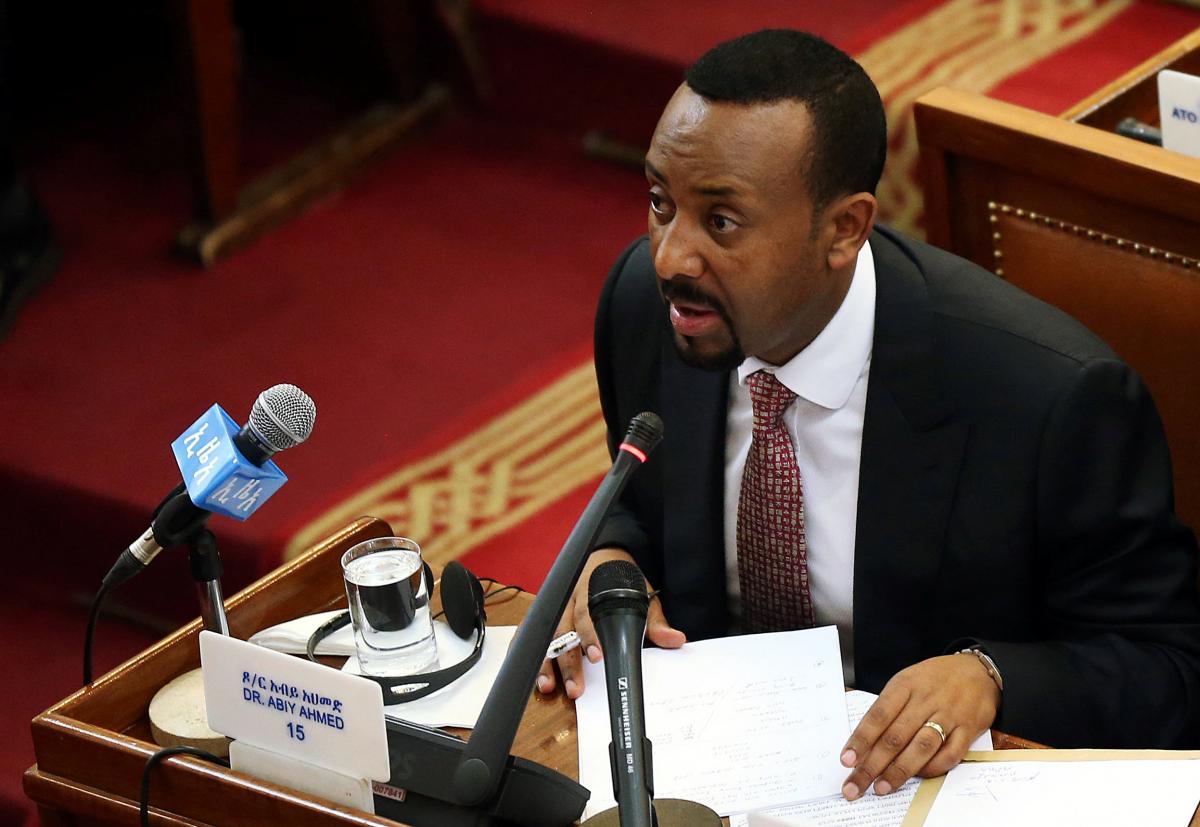
The new look cabinet, for the first time, in the country’s history is leaner and equally balanced between men and women.