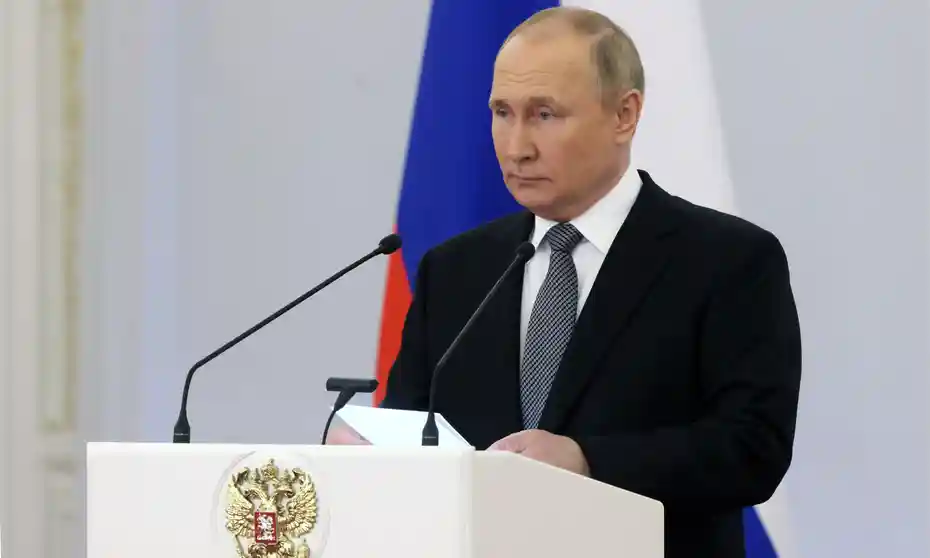
In a move that has sparked criticism from various quarters, Russian lawmakers on Tuesday approved a bill that would impose fines on internet users who search for online content labeled as “extremist” by authorities. The legislation now proceeds to Russia’s upper house, where it is expected to face little opposition before potentially being signed into law by President Vladimir Putin.
The bill targets individuals who deliberately seek out web pages, books, artworks, or music albums that are on the Russian justice ministry’s list of over 5,000 “extremist materials.” This list includes songs praising Ukraine, blog posts by feminist rock band Pussy Riot, and websites critical of President Putin.
Under the proposed legislation, fines of up to 5,000 rubles (approximately $64) could be levied on those found to have accessed or searched for material on the list. It remains unclear how the bill would be implemented in practice, particularly concerning the responsibilities of internet service providers or websites in monitoring violations.
Russia already blocks access to numerous websites accused of hosting extremist content, but this new legislation raises questions about the scope of internet regulation and individual freedoms. If approved by the upper house, the bill will be forwarded to the president for final approval.
Reaction and Concerns
The legislation has drawn rare criticism across the political spectrum in Russia. A protest outside the State Duma against the bill earlier that day resulted in the arrest of several activists and a journalist from the newspaper Kommersant. Opposing the bill, Russian opposition politician Boris Nadezhdin described it as “something out of 1984,” referencing George Orwell’s novel about a totalitarian state. He was quoted as saying, “This law punishes thought crimes.”
Initially, the bill was conceived as a measure to regulate shipping clerks, but lawmakers inserted amendments covertly, which later drew media attention. Duma speaker Vyacheslav Volodin argued that the legislation aims to combat those attempting to “destroy and ruin” Russia via the internet.
However, critics warn that the law could have broader ramifications. Margarita Simonyan, editor-in-chief of pro-Kremlin broadcaster Russia Today, cautioned that it would hinder efforts to investigate and expose extremist groups.
The bill also proposes restrictions on digital privacy, including bans on advertising virtual private networks (VPNs) and fines for transferring SIM cards to another person—both methods often used to browse more privately.
As the legislation moves forward, its implications for internet freedom and individual rights in Russia remain a subject of intense debate.
Source: AFP
