TMEA plans to scale up the Women and Trade programme to reach over 300,000 women across East Africa

TMEA plans to scale up the Women and Trade programme to reach over 300,000 women across East Africa

Kericho Gold is set to become the first Kenyan tea brand to exhibit in the annual FOODEX Japan 2018. The expo which takes place on March 6th to 9th March is Asia’s largest exhibition dedicated to food and beverages. FOODEX Japan attracts 77,000 professionals in the food & beverage trade buyers from all over the world including Korea, China, and Taiwan.
A delegation of 3 from Kericho Gold will include Managing Director, Fahim Ahmed and Director, Naveed Ariff to represent Kenya in the Grand Expo . Asked why Kericho Gold is sending such a high powered representation, Mr. Ahmed said “We take the Japanese market very seriously, there is great potential for high quality Teas in Japan, particularly for Pyramid Bags with Leaf Teas and we need to show what Kenya has to offer to Japanese consumer”.
Kericho Gold, a product of Crown Beverage Limited, has consistently stirred the imagination of consumers with its range of exquisite, functional, funky even sophisticated teas touching on every target market in Kenya. It’s known for its trendy tag lines used on packaging aimed at attracting millennials. Kericho Gold is also credited by being the first company to introduce pyramid silken tea bags.

Africa Logistics Properties (ALP) on Thursday announced the signing of Kenya’s largest ever warehousing lease, with Freight Forwarders Solutions Ltd (FFS), the contract logistics arm of leading regional logistics group Freight Forwarders Kenya (FFK).
FFS has signed a 10-year lease for ALP’s entire first Nairobi warehouse complex of 14,000 square metres, equivalent to the size of some of Nairobi’s larger shopping malls, such as Galleria and the GreenHouse.
ALP’s modern warehousing complex will be Kenya’s first international standard logistics and distribution hub. It is now under construction within the Tatu Industrial Park, north-east of Nairobi, and will open in October 2018. The ALP hub is on a 22 acre site and will provide 50,000 square metres of prime modern warehousing facilities for international and local regional companies. A second ALP hub, at nearly twice the size, has commenced construction to the west of Nairobi.
The opening of the first complex now leased in full to FFS is the opening launch in ALP’s scheduled programme of warehouse construction across the capital cities of Sub-Saharan Africa. Shareholders of the logistics developer include CDC Group, the UK’s development finance institution, and IFC, of the World Bank Group.
The leasing of ALP’s entire first phase complex comes amid a lack of grade-A modern international standard logistics facilities in Kenya, and rising costs for producers on inadequate facilities.
“Kenya has been crying out for a development of this specification and ambition,” said Freight Forwarders Solutions Managing Director Ben Clay. “For the Freight Forwarders (FF) group, which is focused on inbound cargo, freight and transport services as well as project cargo into East Africa, this best-in-class logistics facility will enable us to provide an end-to-end delivery capability.”
ALP’s management team, which has 40 years of experience in developing modern warehousing across emerging markets, and previously built 1.5m square metres of modern warehousing across Eastern Europe, is now working with leading international and regional companies across East Africa to improve their warehousing facilities, supply chain infrastructure and profit, from improved cost efficiency.
“We are delighted to be supporting Freight Forwarders Solutions contract logistics business with grade-A logistics warehousing. As a first mover into our facility, FFS will now have a competitive advantage in the contract logistics market, benefitting from lower per pallet storage costs, operational efficiency and lower operating expenses due to modern warehouse designs and environmental features,” said Toby Selman, CEO of Africa Logistics Properties (ALP).
Press Release

By Ben Oduor
DOB Equity, a Dutch family-owned independent long-term investor in companies in East Africa, is set to invest US$4million (Ksh400,000,000) in Africa Logistics Properties Holding (ALP), an integrated property company that acquires, develops and manages modern logistics warehousing across Africa.
The amount is to allow ALP build warehousing developments and expand its operations across East Africa.
DOB will invest alongside CDC Group, UK-based finance institution, IFC, the private sector focused global development institution and member of the World Bank Group, and Co-founder Maris, a diversified investments group operating across African frontier markets as well as Mbuyu Capital, the UK asset manager, and other local and international investors.
DOB believes a well-functioning logistics sector is crucial for economic development, and this investment would offer both the international and local companies with modern, high quality and efficient warehousing which has been limited in the region.
The company says ALP seeks to tap into this underdeveloped warehousing sector by providing grade-A, international standard warehousing in a bid to offer tenants access to proper logistics services.
According to Brigit van Dijk-van de Reijt, DOB Equity CEO, ALB aims to bring an innovative solution to the warehousing sector in Kenya.
“The warehousing supply in East Africa is still fragmented, often located in congested areas, and lacking in overall industrial quality. It can be unsuitable for occupiers because of high operational and cost inefficiencies that hamper international companies looking to set up local operations, and prevent local SME’s to reach scale,” he says, adding:
“ALP helps to drive logistical costs down by providing grade-A warehousing facilities which create built-for-purpose supply chain infrastructure to drive efficiencies that should lead to lower prices for consumers. ALP aims to enable companies focus on their core competencies instead of having to construct, manage, and maintain warehouses on their own. For SME’s in particular, their services will create instant growth opportunities.”
On the other hand, Saskia van der Mast, Investment Manager at DOB Equity, says: “We believe Kenya is ideally located as an entry point and hub for eastern and central Africa to benefit from the region’s industrialization, growing trade, and expanding consumer markets.”
“DOB Equity is investing in a team (led by Toby Selman) that has extensive emerging markets experience in warehouse development, which will be able to make the most of this opportunity.”
On his part, Toby Selman, the CEO and Co-Founder of ALP, says: “As ALP are also targeting Kenyan growth businesses in addition to larger, international companies, we are pleased to have DOB Equity on board as they have a strong foothold in the local SME market, which will benefit us going forward.”

By Boniface Otieno Kanyamwaya
A study on “The Costs and Benefits of Open Skies in the East African Community (EAC)” undertaken by East African Business Council (EABC) and the EAC Secretariat in collaboration with the Department for International Development (DFID) and the East African Research Fund (EARF) indicates that liberalisation of air transport between the five EAC countries will create 46,320 jobs and US$ 202.1 million in Gross Domestic Product across the region.
According to the study, liberalization of Air Transport contributes to greater trade and tourism, inward investment, productivity growth, increased employment and economic development.
Furthermore, full liberalization of restricted routes leads to 9 per cent lower average fares and a 41 per cent increase in frequencies, which in turn stimulate passenger demand.
“EAC should harmonize air transport regulations specifically taxes across the region and finalize the EAC Liberalization of Air Transport Regulations also fully implement Yamoussoukro Decision,” said Lilian Awinja, EABC Chief Executive Officer during a meeting to validate the findings of the study
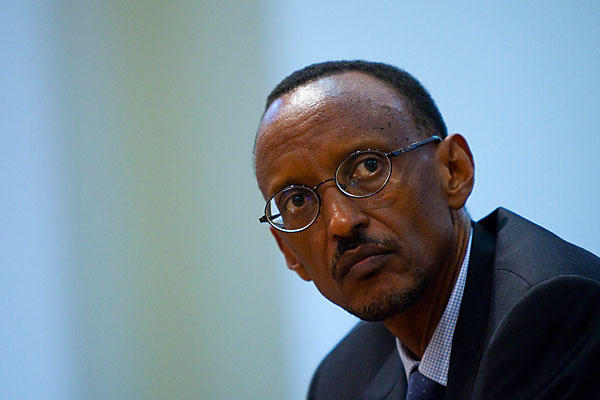
Reforms aim to make AU more efficient politically, operationally and financially. This will ensure the African multilateral organization is better positioned to meet its mandate to member states and citizens
By Boniface Otieno Kanyamwaya
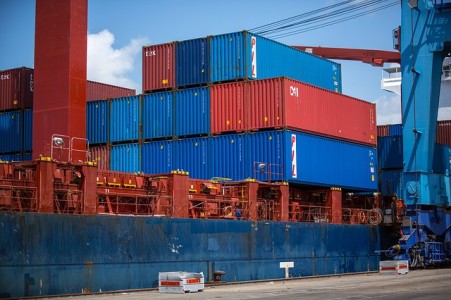
Uganda is among the fastest growing countries in East Africa economically. However, despite its competitive position as a logistics hub, businesses still face a variety of high-level logistics risks including lack of private sector strategy on logistics, poor organisational capacity and technical skills, bureaucracy and red tape in setting up logistics operations, poor transport facilities, weak adoption of logistics practices and dysfunctional advocacy.
It is against this background that Uganda Chamber of Mines and Petroleum (UCMP), Uganda Freight Forwarders Association, Ministry of Works and Transport and National Logistics platform supported by Department of International Development (DFID) through TradeMark East has partnered to host a three day logistics expo that will bring together over 500 participants from logisticians, government officials, civil society organizations, development partners, academicians, and other private sector stakeholders to discuss and define integrated roles each will play in transforming Uganda into a logistics hub.
Titled “Transforming Uganda into a Regional Logistics Hub – What is your role?” the event will result in clearer definition of the various stakeholders’ role in and contribution into realizing Uganda’s dream of becoming a logistics hub.
Speaking prior to the event,Dr Elly Karuhaga, the Chairman of the UCMP noted that , “Oil and Gas require efficient logistics. Now is the time, we expect the first oil to pop out in 2020, a lot is happening, we need to be ready.”
With support from Department of International Development (DFID) through TradeMark East Africa, the National Logistics Platform is developing a 10 year Private Sector Strategy that will meet the needs of the private sector.
This Strategy will identify constraints impacting growth of logistics industry in Uganda, highlight growth targets for the industry over a ten year horizon, develop recommendations to achieve the growth targets and develop a mechanism to monitor implementation of the recommendations.
“We appeal to Government of Uganda to adopt this Strategy.Uganda has begun to play a wider logistics role in the Great Lakes region despite its landlocked position. As a result, Uganda has seen transit volumes grow, which in turn has led to the emergence of a distribution industry especially in Gulu, Jinja and Kampala. A more efficient logistics sector would offer Uganda increased potential for economic diversification,” said TMEA Uganda Country Director Moses Sabiiti.
TMEA envisions to support a logistics hub in Gulu which will complement initiatives by the government. A logistics hub is a location that has been designated for logistics activities and which benefits from inputs from various stakeholders. The Gulu hub will not only enhance exports but boost industrialization, creation of employment and development of the area around Gulu.
By Bonface Otieno Kanyamwaya
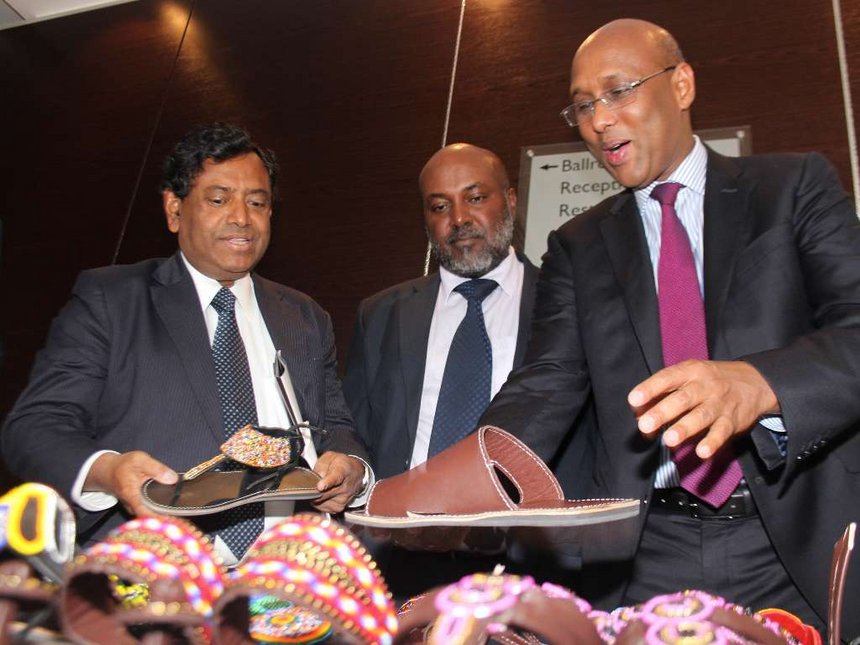
The government has announced it’s keenness to grow the leather and textile sector by allocating Ksh 1.6 billion for the leather industrial park development and textile development.
An additional Ksh. 450 Million has been set aside to revamp of Rivertex East Africa, which was once Kenya’s textile powerhouse. This is good news for local manufacturers of textile because it focuses the growth of the sector to meet the local demand for affordable and quality clothing.
The 2017- 2018 budget has also proposed other tax measures aimed at growing local industry and enhancing our competitiveness as a country. To cushion the local manufacturers of pesticides imput the government has proposed to exempt this products from VAT, and to include I6 % tax on all pest control imported products.
Another big win for manufacturers this year, is the amendment of the excise duty act to allow refund of excise duty paid on illuminating kerosene used in the manufacture of paint and resin by registered manufacturers. This positively impact local manufacturers of paints and resin by making their products regionally competitive.
The 80% remission of excise duty on locally manufactured beer made from locally produced sorghum, millet or cassava is also good news for local beer manufacturers and for Kenyan citizens as it reduces the uptake of dangerous illicit brews often used as alternatives to expensive brews.
In an effort to equip and build local capacity in skilled labour, the Government has proposed Ksh. 600 Million to go to Technical Vocational Education and Training Centers. This goes a long way in bridging the gap between industry needs and academia.
The proposed zero rate on bread and maize flour is good news for all citizens as it addresses the need for Government to intervene in lowering the high cost of living and increase the purchasing power for consumers.
Notably, the proposal to have Excise Goods Management Systems (EGMS) stamps embedded at a sliding scale from Ksh. 0.5 to Ksh. 2.5 per stamp is also a welcome relief to beverage manufacturers.

The National Day of Pakistan is a commemoration of the Pakistan Resolution adopted on 23rd March 1940. The resolution called for a separate homeland for the Muslims of undivided India where they could lead their lives according to their distinctive nationhood. In less than a decade, the independent state of Pakistan emerged on the map of the world on 14th August 1947.
During its short but eventful history Pakistan has surmounted many obstacles. Today, Pakistan is characterised by an upwardly mobile civil society, dynamic economy and strong democratic institutions. The country’s contribution to promotion of international peace and security is second to none, as its pivotal role against the global scourge on terrorism.
As the country prepares to celebrate their National Day in August, East African Business Times Magazine’s Bonface Otieno Kanyamwaya caught up with H.E Hon. Raza Bashir Tarar, the High Commissioner of Pakistan in Kenya for an interview on the sidelines of celebrations to commemorate the Pakistan Resolution at the High Commission of Pakistan in Kenya. Excerpts;
Q: How important is Pakistan’s National Day?
A: The National Day of Pakistan on 23 March commemorates the historic day when the Muslims of the Sub-continent demanded a separate homeland in 1940 to practice their religion and live according to their way of life and distinct culture without let or hindrance. Under the exceptional leadership of the Father of the Nation, Quaid-e-AzamMohammad Ali Jinnah, Pakistan emerged on the map of the world in a short span of seven years on 14th August 1947.

H.E Hon. Raza Bashir Tarar, the High Commissioner of Pakistan to Kenya cuts cake during commemoration of Pakistan National Day in Nairobi
Q: What are some of the key milestone& achievements of Pakistan since it attained independence in 1947?
A: Pakistan boast vibrant democratic institutions; a growing economy; impregnable defence and a trailblazing contribution to regional connectivity embodied by the China-Pakistan Economic Corridor (CPEC). We are committed to optimizing the youth dividend of our young and dynamic population. Pakistan is also unwaveringly committed to peace and stability at the regional and international levels.
Q: How long do Kenya and Pakistan diplomatic relations date back?
A: Kenya and Pakistan have long enjoyed strong diplomatic ties which started in 1952. This has been reflected in high level visits from Pakistan to participate in the recently held international conferences in Kenya. The dignitaries from Pakistan expressed satisfaction over their interaction with their Kenyan counterparts during these occasions. Other high level exchanges are also in the pipeline which would give an impetus to our growing bilateral relations.
Q; What’s the total volume of trade between the two countries and what do Pakistan import from Kenya?
A: The total volume of trade between the two countries stands at US$ 600 million and we are the largest importer of Kenyan tea, whereas Kenya imports a huge quantity of Pakistani world renowned basmati rice.
Apart from tea, other high potential export commodities from Kenya to Pakistan include coconuts, dry nuts, fresh flowers and powdered milk. Pakistan on the other hand exports to Kenya surgical equipments, farm machinery, textile and sports goods at favourable terms.
On annual basis, the country produces about 6.7 million tons of fruits and citrus fruit is leading in terms of production followed by mango, dates and guava. Fruits and vegetable export trade in Pakistan amounts to US$662 million, of which fruits account for US$ 427 million (64 per cent), vegetables US$ 213 million (32 per cent) and fruits and vegetable preparations (mostly juices) US$ 21.6 million (3.2 per cent).
Q; What’s Pakistan’s GDP?
A: Our GDP stands at US$ 271 billion. It is mainly supported by the service sector (59.2 per cent), industrial sector (21 per cent) and agriculture (19.8 per cent).Per capita income is US$ 1561.
Q; What plans do you have in place to boost trade ties between the two countries?
A: We intend to step up linkages with chambers of Commerce and educational and research institutions. Already, plans are in place to set up partnerships in areas such as education.

Manufacturer of construction materials, Kisumu Concrete Products Limited (KCP) has Thursday announced the completion of an investment deal with Ascent Rift Valley Fund, making it the first company to attract Private Equity funding in Kisumu.
KCP has been in operations for 40 years, providing the construction industry with quality products ranging from aggregates, pozzolana, concrete blocks, paving blocks, ready-mix concrete, roofing tiles and other concrete pre-cast items.
Speaking during the announcement in Kisumu, Vimal Rabadia, the Chief Executive Officer of KCP, said that the funds injected into the company will go into expansion, scaling up production to meet market demand and towards advancing the use of technology to ensure production of quality products.
The capital injection into KCP comes at an opportune time, which favors business growth in Kisumu and the neighboring counties. Kisumu has seen a boom in real estate investments largely driven by population growth, devolution and countrywide infrastructure development which makes the city more accessible for residents, investors and tourists alike through roads and the airport.
“The construction industry continues to evolve and the demand for construction materials is at an all-time high. Deploying advanced technology will enable us to meet the increased demand and also improve on the quality of our products,” Rabadia said.
The introduction of the e-construction permit by the Kisumu County Government has also made it easier for investors to put up their projects in the county. A survey by the World Bank in 2015, revealed Kisumu is the only county in Kenya where one can get the fastest approval for building plans. This initiative by the county government is expected to attract more investors to do business in the county.
“We are looking to expand and diversify our range of concrete products and this partnership with Ascent will now make it possible. These expansion plans will enable us to increase employment and contribute more to the national and county revenues through taxes,” Mr. Rabadia added.
The Ascent Rift Valley Fund is the leading SME Private Equity Fund in Kenya, Uganda and Ethiopia. Ascent targets scalable fast growing enterprises with investments of between $5 million and $15 million per Investee Company.
“The wider western region holds great potential for growth and we identified Kisumu Concrete Products Ltd as the company we want to grow with. We will work closely with the KCP management team to develop and grow the company for long term growth and profitability,” said David Owino, Managing Partner at Ascent Capital Advisory Services LLP during the announcement.
The KCP deal brings to four the total number of investments by the fund in East Africa, having previously made investments into laboratory services in Ethiopia and distribution and financial services in Uganda.
“We pride ourselves at having cast our nets outside Nairobi the Capital City to have these conversations. There are a number of interesting and bankable businesses that we have been in talks with already for some time. We will be announcing our fifth investment soon,” David Owino concluded.