Ugandans are staring at a communication breakdown after the government banned live coverage of political riots, “unlawful processions” and other violent incidents ahead of an election.
“Live broadcasting or streaming of riots, unlawful processions or violent incidents is prohibited, as it can escalate tensions and spread panic,” the Ministry of Information, Communication and Technology noted in a statement.
The President Yoweri Museveni-led administration has termed anti-government protests as riots and also prohibited the dissemination of any content it described as “inciting, hateful or violent”.
Since the electioneering period commenced, the government has conducted an onslaught against key opposition figures, detaining hundreds of their supporters ahead of the January 15 election, which will again pit 81-year-old Museveni against 43-year-old pop-star-turned-politician Bobi Wine.
The Ugandan voters will be voting for new leaders in a General Election slated for January 15, in which the current president, Yoweri Kaguta Museveni, is seeking to extend his 40-year rule.
Before the most recent election in 2021, security forces cracked down on Wine supporters, who accused Museveni of stealing the election, a claim he rejected. This resulted in the deaths of over fifty people.
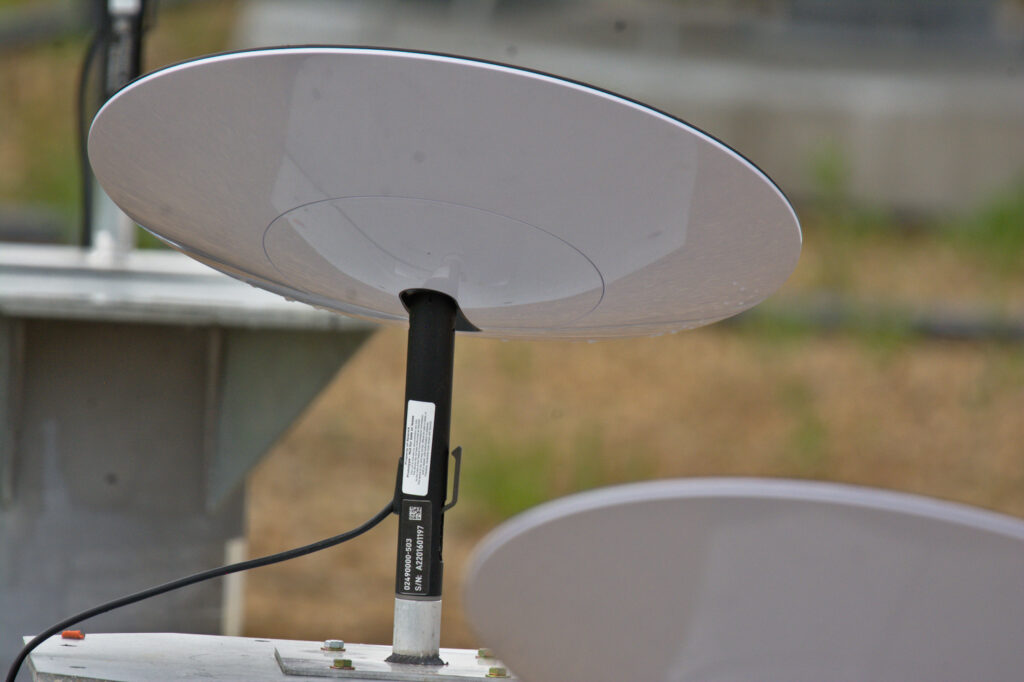
American billionaire Elon Musk’s telecom company, Starlink, had blocked Ugandans from using its worldwide satellite internet network by January 1. As a result, there were no more Starlink terminals in the nation, which dampened any hopes for communication during the election.
In a formal letter dated January 2, 2026, Starlink announced the decision, stating that no terminals have been imported or approved by the UCC and that it does not formally sell, market, or distribute Starlink services within Uganda.
The Uganda Communications Commission’s (UCC) directive, which expressed concerns over unlicensed satellite service operations, coincided with the action.
Before the shutdown, some Ugandan customers accessed the service using terminals that were bought and activated outside of Uganda, where Starlink is licensed, and then imported into Uganda without formal authorisation, according to Starlink.