For millions of people seeking opportunities beyond their borders, the visa application process represents the first and sometimes most challenging step towards international mobility.
Whether travelling for business, education, tourism or family commitments, applicants must navigate an increasingly complex system in which access to appointments, documentation requirements, processing timelines and the uncertainty surrounding visa decisions can shape the entire travel experience.
In many cases, this complexity has also blurred public understanding of the different institutions involved, placing private visa service providers at the centre of conversations about decisions that ultimately rest with governments.
 It is within this backdrop that VFS Global operates, providing administrative and technology services to governments and diplomatic missions worldwide.
Having processed more than 572 million applications since 2001 and serving 71 client governments, the company has become a significant part of the global mobility infrastructure.
In Kenya, where it has operated since 2007, its network supports 24 client governments through 25 visa application centres across Nairobi, Mombasa and Eldoret.
As the company marks 25 years of global operations, questions around transparency, appointment accessibility, optional services, data protection and accountability remain important to applicants and governments alike. The growing demand for international travel has made these concerns even more pronounced, placing greater responsibility on service providers to communicate their mandate clearly and maintain public confidence.
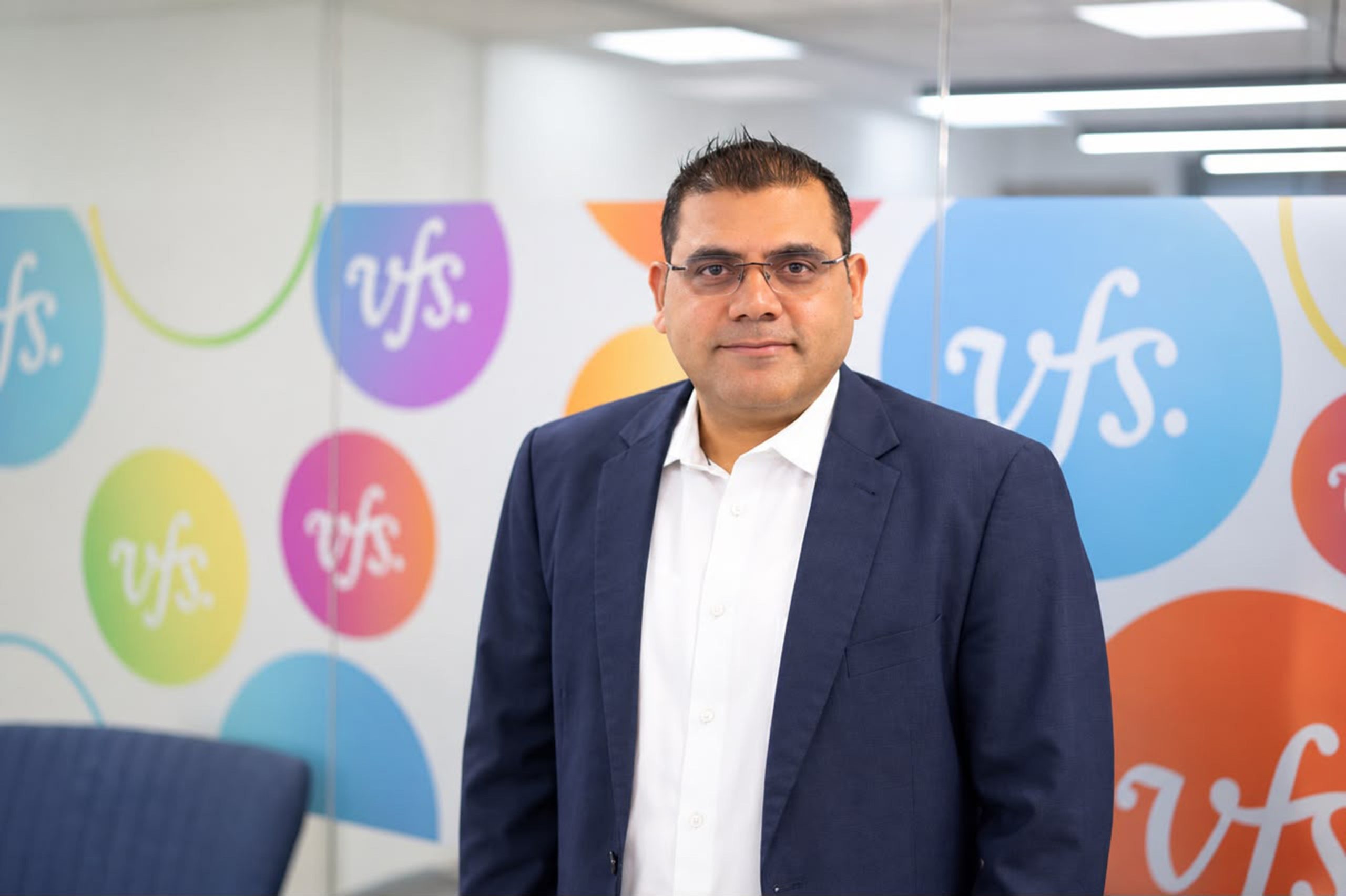
For Hariprasad Viswanathan, Chief Operating Officer for Sub-Saharan Africa at VFS Global, the distinction between administrative support and sovereign decision-making is fundamental to understanding the visa application process.
With a career spanning nearly two decades at the company and experience across South Asia, the Middle East and Africa, he brings a regional perspective to the operational, technological and human considerations shaping the future of visa services.
In this interview with The East African Business Times, Viswanathan discusses the realities of outsourced visa administration, measures to protect appointment systems from fraud, the place of premium services in the application journey, safeguards around personal information and how technology is changing the delivery of government services.
He also reflects on his leadership journey, the diversity of Sub-Saharan Africa and the principles guiding his approach to managing operations across the region.
Below excerpt:
VFS Global has often been at the centre of public discussions about visa processing, with some applicants appearing to associate the company directly with visa approvals and rejections. Could you explain VFS Global’s precise mandate in the visa application process?
Hariprasad Viswanathan: A common misconception in public discussions about visas is that service providers influence application outcomes. Having spent nearly two decades with VFS Global, including more than ten years of working with stakeholders like governments and applicants across Africa, I have seen first-hand the importance of maintaining a clear separation between administrative support and government decision-making.
VFS Global is a trusted technology and services partner to governments, providing administrative support services related to visa, passport and consular applications. Our role includes receiving applications, collecting biometric enrolments where required, verifying document completeness, and securely transmitting applications to the relevant government authorities.
The assessment of an application, the decision to approve or refuse a visa, the duration of a visa, and any conditions attached to it remain the exclusive responsibility of sovereign governments and their immigration authorities.
As VFS Global marks 25 years of operations globally, we continue to uphold this strict separation of responsibilities. Today, we serve 71 client governments, operate in more than 170 countries and have processed over 572 million applications since 2001.
In Kenya specifically, where we have been present since 2007, we currently support 24 client governments through a network of 25 application centres across Nairobi, Mombasa and Eldoret, employing more than 100 people locally.
Access to visa appointments has become a major concern for applicants in several African countries. What are the main factors influencing appointment availability, and what specific measures has VFS Global implemented to prevent bots, fraudulent intermediaries and unauthorised reselling of appointments?
Viswanathan: Appointment availability is ultimately determined by the capacity and parameters established by client governments, considering factors such as staffing, security requirements, seasonality and application volumes.
In recent years, demand for international travel has increased significantly. In Kenya alone, visa volumes processed during the first half of 2026 were 20% higher than the same period in 2025, while 2025 volumes increased by 44% compared to 2024.
 To protect fair access to appointments, we have implemented multiple layers of safeguards, including OTP authentication, CAPTCHA protections, enhanced monitoring systems and continuous detection mechanisms to identify suspicious booking activity. We also work closely with client governments and relevant authorities where fraudulent activity is detected.
In parallel, we conduct applicant awareness initiatives, including anti-fraud campaigns such as #DoNotFallForFraud to educate travellers about the risks of using unauthorised intermediaries who claim to offer guaranteed appointments or expedited outcomes.
Premium lounges, courier services, document assistance and other value-added services have generated questions about whether applicants who pay more receive preferential treatment. How does VFS Global ensure that these services remain genuinely optional and that applicants who use standard services receive the same fair consideration in the visa process?
Viswanathan: We are very clear on this point: optional value-added services have absolutely no influence on visa decisions.
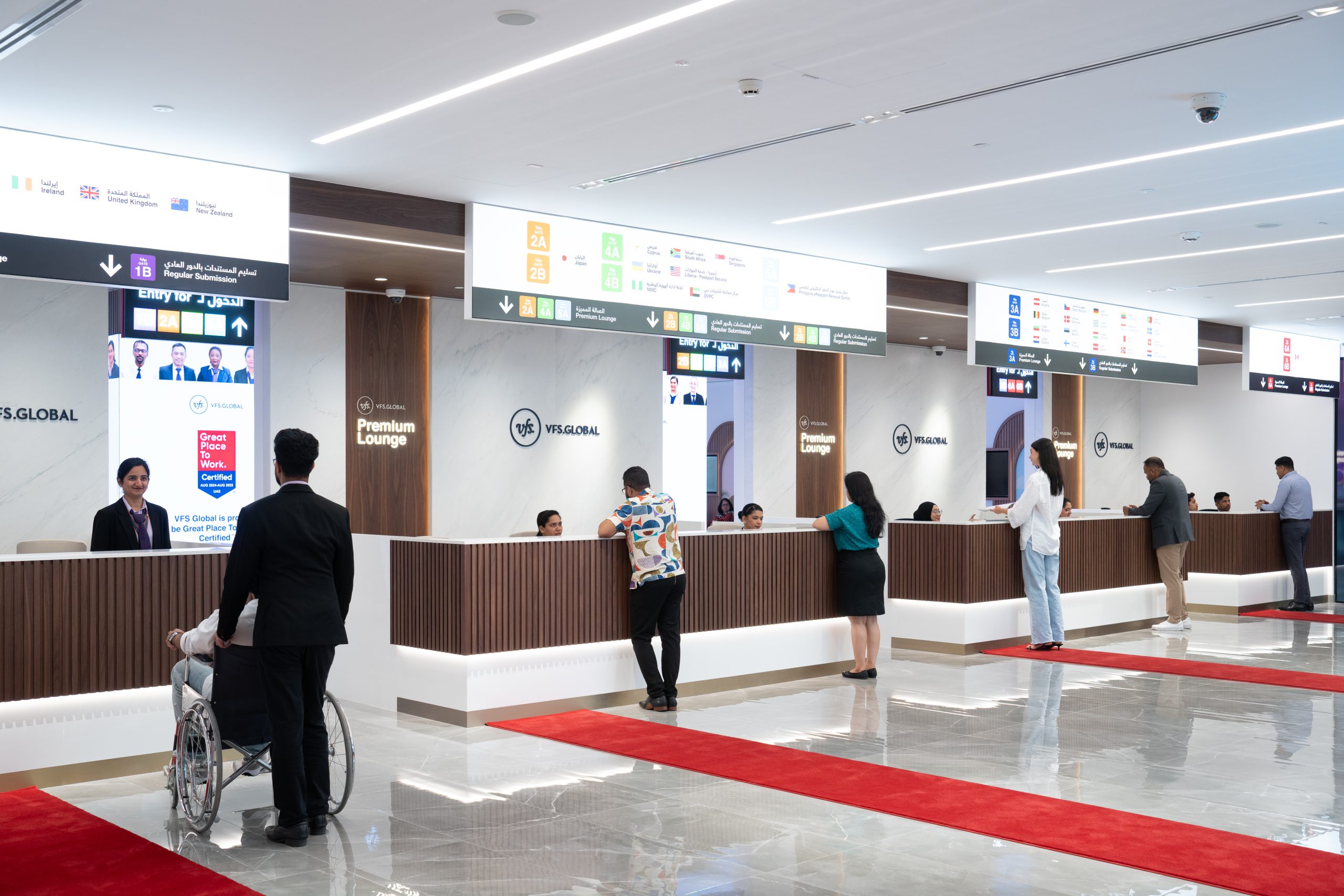
Services such as Premium Lounge access, courier return of documents, SMS updates, document upload support or form-filling assistance are designed solely to enhance convenience and make the application process more comfortable for those who choose them. Whether an applicant uses these services or applies through the standard route has no bearing whatsoever on the assessment or outcome of the application. Visa decisions remain entirely with the relevant government authorities.
These services are developed in consultation with, approved by and monitored by client governments. Applicants are clearly informed that such services are entirely optional through multiple touchpoints, including our websites, appointment journeys, customer communication channels and at our visa application centres. Pricing is transparently communicated on these touchpoints, and we maintain a zero-tolerance approach towards any misrepresentation suggesting that optional services can influence visa outcomes or processing decisions.
VFS Global says it operates under extensive government oversight, with more than 10,000 audits and assessments conducted annually. Beyond these compliance mechanisms, what accountability structures are available to applicants who experience poor service, alleged misconduct, unexplained charges or irregularities at visa application centres?
Viswanathan: Accountability and transparency are fundamental to maintaining public trust.
Applicants have access to multiple avenues through which concerns may be raised, including dedicated customer service channels, centre management teams, formal complaints procedures and escalation mechanisms. All complaints are reviewed and investigated in accordance with established protocols.
In addition, VFS Global operates a robust governance framework that includes anti-bribery controls, whistleblower mechanisms, employee background verification processes and clearly defined disciplinary procedures. Allegations relating to misconduct, unexplained charges, unethical behaviour or procedural irregularities are investigated thoroughly and appropriate action is taken where required.
These measures complement the extensive oversight exercised by client governments and the more than 10,000 audits and assessments conducted annually across our global operations.
 With the increasing use of digital platforms and technology in visa administration, how does VFS Global safeguard applicants’ information against unauthorised access, misuse or cyberattacks?
Viswanathan: Data security and privacy sit at the core of our operations.
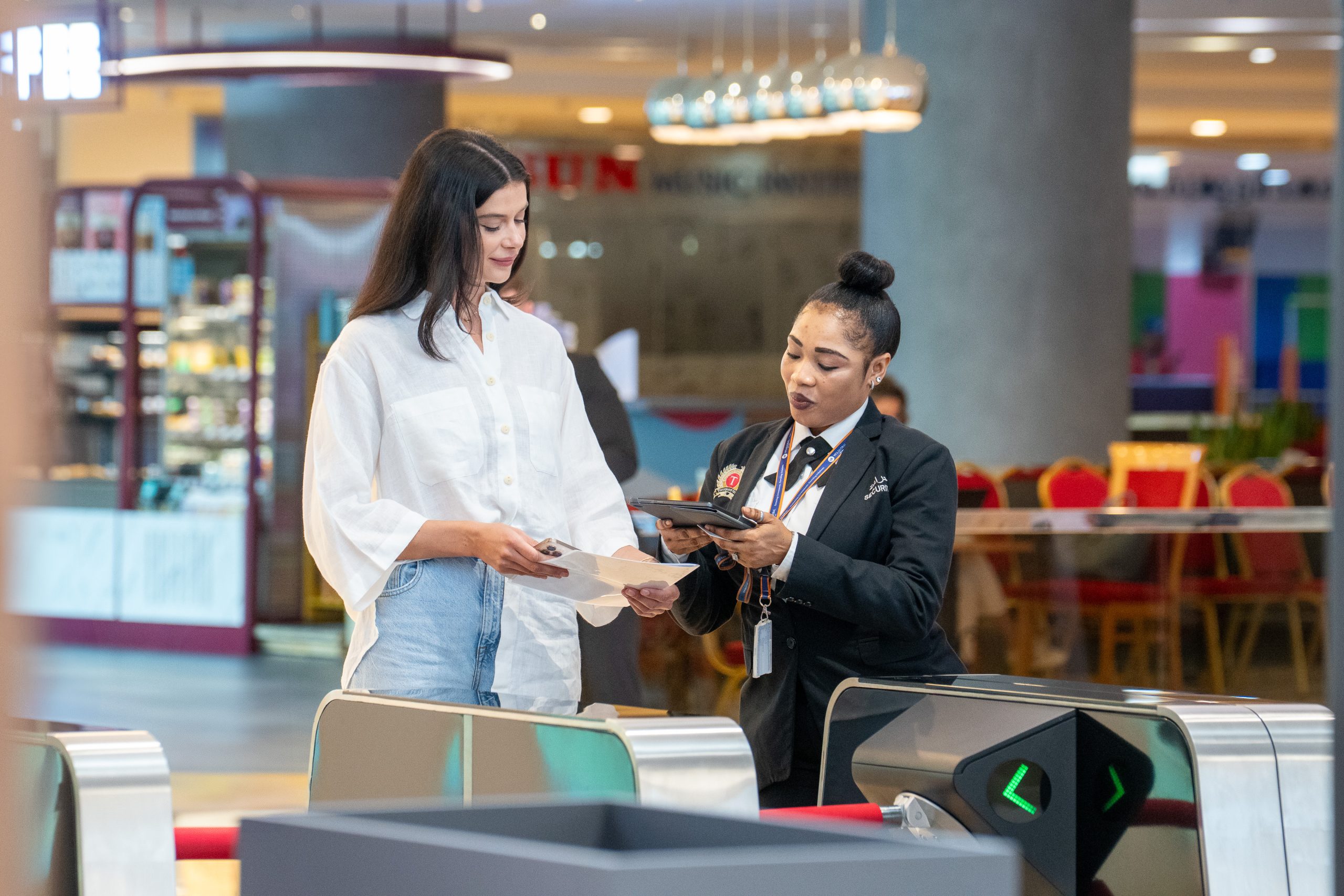
VFS Global employs a comprehensive information security framework incorporating multiple technical, operational and organisational controls. These include secure network architecture, encryption technologies, controlled access management, cybersecurity monitoring, vulnerability assessments and continuous employee awareness programmes.
Access to applicant information is strictly limited to authorised personnel who require it for legitimate operational purposes. We continuously invest in strengthening our cybersecurity capabilities to address evolving threats and maintain alignment with international best practices.
For governments and applicants alike, trust is built on confidence that personal information is handled securely, responsibly and transparently. That responsibility is one we take extremely seriously.
Where is applicant data stored, who has access to it, how long is it retained, and what measures ensure compliance with Kenya’s Data Protection Act and other applicable data protection regulations?
Viswanathan: The handling of applicant data is governed by a combination of government requirements, contractual obligations and applicable legal and regulatory frameworks.
Data storage, retention periods and deletion protocols are determined by the specific mandates of our client governments and the regulations that apply in the relevant jurisdiction. Access to applicant data is tightly restricted and granted only to authorised personnel with a defined operational need.
In Kenya, we operate in accordance with applicable regulatory requirements, including the Kenya Data Protection Act, while also adhering to global privacy and security standards. We implement privacy-by-design principles, robust access controls, regular audits, security assessments and strict governance processes to safeguard personal information throughout its lifecycle.
Our objective is to ensure applicants can engage with our services with confidence that their personal information is protected in accordance with the highest standards of security and compliance.
VFS Global reports having processed more than 572 million applications since 2001, reflecting the scale and growing importance of outsourced visa administration. How is technology transforming the visa application experience?
Viswanathan: Technology is fundamentally reshaping how governments and service providers deliver visa and mobility services.
As a company that has now processed more than 572 million applications globally, we have seen first-hand how digital innovation can improve efficiency, accessibility, transparency and security throughout the applicant journey.
Today, technology enables more seamless appointment booking, biometric enrolment, application tracking and customer communication. It also helps governments manage increasing application volumes while maintaining rigorous security and compliance standards.
Looking ahead, technologies such as AI-enabled support tools, advanced identity verification, enhanced analytics and secure digital platforms will continue to streamline administrative processes while ensuring human oversight remains central to sensitive immigration functions.

What innovations are being introduced to make services more accessible to applicants outside major cities, including those who face geographical, financial or digital barriers?
Viswanathan: Accessibility remains a key priority, particularly across a geographically diverse region such as Africa.
One of the ways we are addressing this challenge is by bringing services closer to applicants. A recent example is the expansion of UK visa services in Kenya through Premium Application Centres in locations like Mombasa and Eldoret. Applicants in these regions no longer need to travel to Nairobi to submit their visa applications and enrol biometrics, saving both time and travel costs while enjoying the same levels of service and convenience closer to home.
More broadly, we continue to expand flexible service models such as Premium Application Centres, mobile biometric services and on-demand services that improve access for applicants who may otherwise face long journeys or logistical challenges.
At the same time, we are enhancing our digital platforms to simplify appointment booking, application tracking and access to information while ensuring alternative support channels remain available for those who may face digital barriers. Please note that these services are optional to applicants and do not result in the expedited processing of their visas nor contribute to a favourable outcome.
Our objective is simple: to make government services more accessible, convenient and inclusive, regardless of where applicants are located.
Looking ahead, what changes should applicants expect in the next three to five years, and what message would you give to those who remain sceptical about the transparency and fairness of outsourced visa processing?
Viswanathan: Over the next three to five years, applicants can expect greater digitalisation, more secure identity verification technologies, increased service accessibility and a continued focus on convenience without compromising security. At the same time, transparency will remain central to the evolution of outsourced visa administration. Governments, applicants and service providers all benefit from clearly defined responsibilities, strong oversight and robust accountability frameworks.
I would like to emphasise that VFS Global’s role is highly regulated, transparent and subject to extensive governmental oversight. Visa decisions remain exclusively with governments. Our responsibility is to provide secure, efficient and reliable administrative support while ensuring applicants are treated fairly and consistently throughout the process.
What leadership philosophy guides your approach, and how has your experience shaped your priorities in managing such a dynamic and diverse region?
Viswanathan: Sub-Saharan Africa is an incredibly diverse region, and leading effectively across it requires a combination of cultural understanding, adaptability and a strong focus on people. There can be no one-size-fits-all approach. Priorities and operating environments differ considerably across markets, making it essential to listen closely, understand local realities and remain responsive to the needs of governments, applicants and employees.
My leadership philosophy is centred on being present, approachable and accountable. I believe leaders must provide teams with clarity and direction while also empowering them to take ownership, contribute ideas and make informed decisions. Creating an environment in which people feel respected, supported and accountable enables teams to perform at their best.
My background in hospitality has also shaped this approach. It instilled in me the importance of service excellence, empathy and attention to the customer experience. These principles remain highly relevant in our work today, particularly because every interaction with an applicant or client government contributes to the trust placed in our organisation.
Accordingly, my priorities across Sub-Saharan Africa are to develop strong local talent, foster a culture of integrity and collaboration, maintain consistently high operational standards and ensure our services continue to evolve in response to local needs. Technology and processes are critical enablers, but it is ultimately our people who translate them into meaningful outcomes for client governments and applicants.
What have been the defining moments in your professional journey, and what key lessons have shaped you as a leader?
Viswanathan: Having spent much of my professional career at VFS Global, one of the most rewarding aspects of my journey has been the opportunity to grow alongside an organisation that has continually expanded its capabilities, geographic reach and role as a trusted partner to governments.
I joined VFS Global in 2007 as Regional Quality Manager for South Asia and subsequently took on increasingly challenging responsibilities across the Middle East and Africa. Since being based in Johannesburg from 2016, I have had the opportunity to contribute to the organisation’s growth across Sub-Saharan Africa, working closely with governments, diplomatic missions, partners and teams across the region. Each stage of this progression has presented a different set of challenges and learning opportunities.
Working across South Asia, the Middle East and Africa has also exposed me to a wide range of markets, cultures and operating environments. That experience has broadened my perspective and taught me the importance of understanding different viewpoints, respecting local contexts and bringing diverse teams together around a common purpose. One of the strengths of VFS Global’s culture is its ability to encourage collaboration across geographies, functions and backgrounds while remaining aligned with shared values and standards.
Periods of rapid growth, operational transformation and changing travel environments have reinforced the importance of resilience, adaptability and continuous learning. They have also taught me that sustainable progress is rarely the result of one defining achievement. It is built by maintaining high standards, making thoughtful decisions, learning from challenges and remaining consistent over time.
The most important leadership lesson I have gained is to remain open to different perspectives and willing to evolve. A leader may provide direction, but the strongest outcomes are achieved when people with varied experiences and expertise are encouraged to contribute towards a shared objective. That belief has shaped my journey and continues to guide how I approach new opportunities and challenges.
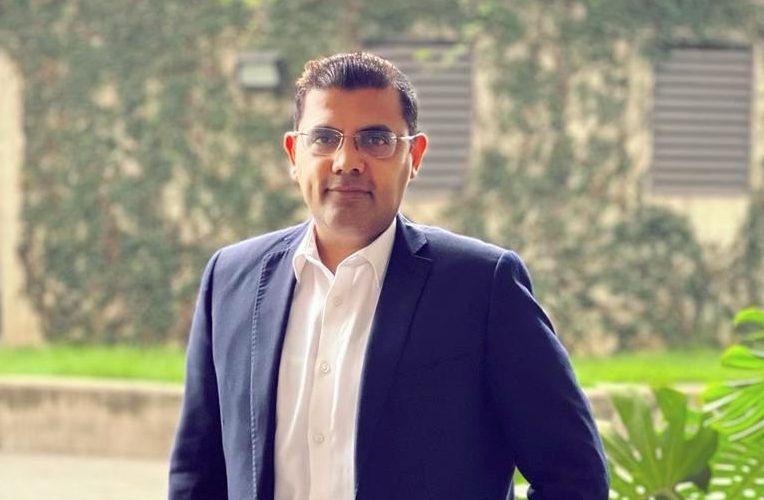 About Hariprasad Viswanathan
Chief Operating Officer, Sub-Saharan Africa, VFS Global
Hariprasad Viswanathan is the Chief Operating Officer for Sub-Saharan Africa at VFS Global, where he leads all business operations across the region. In this role, he is responsible for driving strategy, new business development and client relationships.
He joined VFS Global in 2007 as Regional Quality Manager for South Asia. Since then, he has progressed through various challenging leadership roles within the Middle East and Africa. He has been based in Johannesburg, South Africa, since 2016.
Viswanathan is a Business Administration and Hospitality graduate with more than two decades of industry experience. Before joining VFS Global, he worked in the business process outsourcing (BPO) and hospitality sectors.
About VFS Global
VFS Global is a global provider of trusted technology services, empowering secure mobility for governments and citizens. The company embraces technological innovation, including Generative AI, to support governments and diplomatic missions worldwide.
It manages non-judgmental administrative tasks related to visa, passport and consular service applications for its client governments, increasing productivity and enabling them to focus on the critical task of assessment.
With a responsible approach to technology development, adoption and integration, the company prioritises ethical practices and sustainability while serving as the trusted partner to 71 client governments. It operates more than 4,300 application centres in 170 countries and has processed over 572 million transactions since 2001.
Headquartered in Zurich and Dubai, VFS Global is majority-owned by Blackstone, alongside minority shareholders including Swiss-based Kuoni and Hugentobler Foundation, Singapore-based Temasek and UAE-based Dubai Holdings.
