You can add some category description here.
Health
AIDS Healthcare Foundation (AHF) Kenya today unveiled the AHF Kenya Wellness Clinic at the AHF Mathare Clinic on Juja Road, the country’s largest standalone comprehensive care centre.
The new clinic expands holistic, client‑centred services for communities across Nairobi and neighbouring counties, with a strong focus on evidence‑based diagnosis and treatment of sexually transmitted infections (STIs) and HIV prevention.
“At Mathare we are launching a new service we’re calling wellness—we screen for all types of STIs and treat based on laboratory evidence, not guesswork,” said Dr. Samuel Kinyanjui, Country Director, AHF Kenya. “By introducing PCR testing and collaborating with KEMRI on culture and drug‑sensitivity testing, our clinicians can precisely identify the cause—bacterial or viral—and choose the drug that works. That means faster recovery for clients and fewer chances of onward transmission.”
What the Wellness Clinic offers
The AHF Kenya Wellness Clinic provides confidential, free sexual and reproductive health services, including:
- STI counselling, testing and health education
- STI testing & treatment for HIV, gonorrhoea, chlamydia and syphilis
- HIV prevention services: PrEP, PEP, and condom education & distribution
Clients are registered with a unique identifier to protect privacy, assessed by counsellors, and seen by a clinician who orders appropriate tests (urine, blood and swabs). PCR testing—a molecular technique that detects the actual causative agent—supports targeted treatment. Resistant or recurrent cases are referred for culture and drug‑sensitivity testing through AHF’s collaboration with KEMRI (Prof. Matili Mwao) to ensure the chosen antibiotic will be effective.
“PCR is the gold standard but often out of reach due to cost. AHF’s investment bridges that gap,” said Dr. Stephen Ndolo, Director of Promotion and Programme Management at the National Syndemic Diseases Control Council (NSDCC), Ministry of Health. “By diagnosing the specific infection rather than treating syndromes alone, we improve outcomes and help protect the wider community.”
Why this matters now
Untreated STIs can cause infertility and increase vulnerability to acquiring HIV—for example, lesions and inflammation make transmission more likely. Clinicians at the Wellness Clinic report that a large share of clients are asymptomatic, underscoring the importance of routine screening. The clinic currently serves 15–20 clients daily, with syphilis, gonorrhoea and chlamydia the most commonly detected infections.
Access, affordability and scale
All Wellness Clinic services are provided at no cost to clients. While a single PCR test costs KSh 4,800–5,500 to perform, AHF Kenya absorbs this cost with support from partners, ensuring equitable access. A typical “wellness” episode of care—including consultation, testing and treatment—delivers an estimated value of about KSh 7,500 at no charge to the client. TB screening and treatment are also free regardless of HIV status; PMTCT and immunisation services are available for eligible mothers and infants. The clinic is integrated with county systems and community health promoters to strengthen referrals across Nairobi.
Looking ahead, AHF Kenya is exploring using Mathare as a sentinel site to inform national STI guidelines, with potential expansion of similar services to Mombasa and Nakuru subject to budget and planning. An online booking portal will be introduced to manage patient flow and minimise waiting times.
“Our goal is simple: science‑driven, people‑first care,” said Joash Mbuya, Clinical Officer at the Wellness Clinic. “We follow Ministry of Health and WHO guidelines, use first‑line regimens, and when needed escalate to second‑line or culture‑guided therapy. We also prioritise partner notification and condom education to break the chain of infection.”
Location
AHF Kenya Wellness Clinic, inside AHF Mathare Clinic, Juja Road, Nairobi.
In global health discussions, Kenya’s Rift Valley often emerges as a case study on the hidden risks of fluoride in groundwater. The region’s unique volcanic geology naturally releases fluoride into aquifers, sometimes in concentrations as high as 23.5 milligrams per litre far above the World Health Organization’s safe threshold of 1.5 milligrams per litre. Communities dependent on these untreated water sources have faced prolonged exposure to excessive fluoride, leading to a long-standing public health challenge: fluorosis.
This condition, caused by ingesting excess fluoride over time, stains and weakens teeth and in severe cases, leads to permanent damage. Children, whose developing teeth are highly vulnerable, bear the brunt of this crisis. At the same time, a lack of intervention and widespread misinformation has led to mistrust in fluoride as a whole, even in products like toothpaste, where it is used in safe and controlled amounts to help prevent cavities. This mistrust compounds Kenya’s already severe oral health challenges, particularly in rural and low-income areas.
Fluoride, when used at appropriate levels, is one of the most effective tools for protecting teeth. However, addressing excessive fluoride in drinking water while improving access to affordable dental care and educating communities about safe oral health practices must go hand in hand. Without these interventions, communities affected by fluorosis will remain trapped in a cycle of preventable oral health issues.
The visible impact of fluorosis has contributed to a deep scepticism around fluoride in affected communities. Many households avoid products like fluoride toothpaste altogether, unaware that its controlled use is safe, beneficial, and prevents cavities. This mistrust, coupled with limited access to professional dental care, has left many communities with few options for treatment or prevention.
Addressing fluorosis must start with reducing excessive fluoride levels in drinking water. Technologies such as community-based defluoridation plants, successfully implemented in rural India, or household water filters, as used in Ethiopia, offer practical solutions to reduce fluoride exposure. Kenya can adapt similar models through partnerships with county governments, NGOs, and private stakeholders to provide safe drinking water to communities affected by high fluoride concentrations.
Equally important is improving access to affordable dental care. Prolonged exposure to excessive fluoride weakens teeth, but many families cannot afford basic oral hygiene products like toothpaste, and rural areas often lack access to dentists.
Subsidised oral care products must also play a central role in tackling Kenya’s fluoride crisis. Making fluoride toothpaste affordable, or providing it free in high-need areas, could encourage wider adoption of preventive oral care. Schools, in particular, could serve as distribution points for fluoride products and education programmes, allowing children to adopt healthy habits early while encouraging families to follow suit. These initiatives have the potential to reverse the long-term effects of misinformation while protecting at-risk communities from preventable dental health issues.
Education and trust-building will be critical. Localised campaigns led by health workers, teachers, and community leaders can clarify the distinction between excessive fluoride in groundwater and the controlled, safe fluoride found in toothpaste. These campaigns must engage communities at every level, using trusted individuals to address fears and rebuild confidence in fluoride-based solutions. Schools, radio programmes, and community forums can provide the platforms needed to create buy-in and lasting change.
This challenge also presents Kenya with an opportunity to lead. As fluoride-related health crises affect other countries with similar environmental conditions, Kenya can set a global example by implementing innovative solutions to combat fluorosis. By investing in water treatment technologies, mobile clinics, and strategic education initiatives, Kenya can position itself at the forefront of solving one of the world’s most pressing oral health challenges.
Kenya’s Cancer Revolution: How Dr. Elias Melly is Changing the Story for the World
In the early 2010s, cancer ranked among Kenya’s most silent and devastating public health crises. Specialized facilities were scarce, diagnoses often came too late, and for most families, treatment was either inaccessible or unaffordable. For many, a cancer diagnosis felt like a final verdict—not because the disease could not be treated, but because the systems to fight it were underfunded, fragmented, and beyond reach.
A decade later, Kenya stands out as one of Africa’s most promising success stories in the battle against cancer—earning recognition from the World Health Organization as the continent’s leading treatment hub for breast cancer. At the center of this transformation is Dr. Elias Melly, Chief Executive Officer of the National Cancer Institute of Kenya (NCI-K).
Dr. Melly’s approach is shaped by an exceptional academic and professional journey. A trained medical doctor, he pursued advanced studies at some of the world’s leading institutions, including Stanford University, the University of Minnesota, and Indiana University. These experiences gave him firsthand exposure to world-class health systems, advanced research environments, and progressive policy models.
Rather than remaining abroad, Dr. Melly returned to Kenya with a clear purpose: to apply this global knowledge to local challenges. “The real measure of my education is not how far I can travel,” he reflects, “but how far I can help my people travel—from fear to hope, from illness to recovery.”
Under his leadership, NCI-K has evolved from a national agency into a regional hub for cancer innovation, policy, and coordination.
One of Dr. Melly’s most significant accomplishments has been the decentralization of cancer care. Just ten years ago, only a handful of urban hospitals offered specialized oncology services. Patients in rural areas often faced long, expensive journeys to access care—sometimes selling property or leaving jobs for extended treatment in crowded city facilities.
Today, every county now has a cancer care program and regional cancer centres, each equipped with diagnostic technology, including CT scanners, making early detection and treatment more accessible than ever before. This nationwide reach has reduced both the physical and financial burden on patients and saved countless lives.
When Dr. Melly took over NCI-K, Kenya relied heavily on foreign datasets to guide its cancer strategy. This dependency often led to policies that did not align with the country’s specific needs. Determined to change course, he oversaw the creation of Kenya’s first comprehensive cancer database, housing local patient records, treatment outcomes, and epidemiological patterns.
The database has revolutionized cancer planning, ensuring that policy decisions are grounded in local realities. For the first time, cancer data is formally integrated into the national budget, shaping funding allocations and policy priorities. This resource has also informed the design of affordable cancer care packages under the Social Health Authority (SHA), ensuring treatment is a right for all Kenyans, not a privilege for a few.
Dr. Melly views cancer care as a continuum that begins with awareness and prevention. Through nationwide campaigns, he has encouraged millions to embrace early screening, dispelled dangerous myths, and worked to dismantle the stigma around diagnosis.
The results are tangible: early detection rates have improved significantly, and survival outcomes are steadily rising. Kenya’s top WHO ranking for breast cancer treatment in Africa stands as proof that effective public health messaging, paired with accessible services, changes lives.
Effective cancer care demands a wide range of specialists—oncologists, pathologists, radiologists, surgeons, nurses, counselors, and scientists. Recognizing this, Dr. Melly has made capacity building a priority.
As a part-time lecturer, he trains health workers in both technical excellence and compassionate patient care. He has also championed local research, funding Kenyan scientists and connecting them with international experts. This approach strengthens homegrown expertise and establishes Kenya as a credible research partner on the global stage.
In July, the National Cancer Institute hosted a successful National Cancer Summit and is looking forward to hosting a Global Cancer Summit in 2027, bringing together medical leaders, researchers, and policymakers from around the world. His goal is to forge deeper African–international partnerships in research, technology sharing, and treatment innovation.
“This is not about Kenya alone,” he emphasizes. “It’s about building a continental and global coalition to ensure cancer is fought with the same urgency everywhere.”
Despite remarkable progress, challenges persist. The high cost of advanced treatment still places a heavy burden on families, and certain cutting-edge therapies remain out of reach. For Dr. Melly, the emotional toll of losing patients despite all interventions remains one of the most difficult parts of the job.
Yet his resolve is unwavering. “Every survivor I meet reminds me why this fight matters,” he says. “Every life saved is a family kept whole, a dream kept alive.”
By blending global expertise with local insight, Dr. Melly has built a system that is responsive, sustainable, and deeply human-centered. Kenya’s cancer care revolution under his leadership is not just a national milestone—it is a model for how low- and middle-income countries can leapfrog systemic challenges and deliver world-class health solutions.
As cancer rates rise worldwide, especially in developing nations, Kenya’s approach offers both hope and a challenge: that with vision, investment, and collaboration, even the most entrenched public health battles can be won.
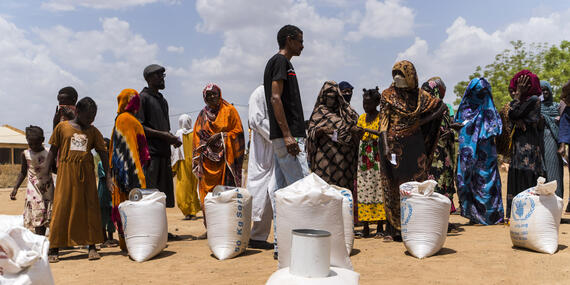
As conflict between rival militaries rages on, the impacts are devastating as millions of people are being displaced and several casualties are being suffered.
According to Farhan Haq, the Deputy Spokesman for the Secretary-General, during a briefing, he revealed that the UN and its partners have strived to offer assistance to the newly displaced families in North Darfur, even though “nearly 60 per cent of displaced families still lack adequate shelter support.”
In Abu Shouk camp in El Fasher, the North Darfur capital, displaced families are facing acute shortages of food and medicine, with local sources reporting four hunger-related deaths last week, as food insecurity continues to worsen across the entire country.
It is said that in North Darfur state, notably, low cereal supplies, poor harvests, and a prolonged food deficit have severely affected food availability.
The Cholera Outbreak
This is further compounded by the fact that a health problem is stemming out bit by bit, with cholera cases continuing to rise in Tawila. As of now, it’s reported that up to 1,500 suspected and confirmed serious infections have been reported since June, with over 500 people currently receiving treatment.
While local authorities have introduced emergency measures, including market closures and a ban on public gatherings, humanitarian organizations urgently require $120 million to scale up life-saving support in Tawila over the next three months.
“This funding is essential to contain the outbreak and sustain critical services,” according to OCHA.
Meanwhile, in Port Sudan, the main entry point for humanitarian personnel and supplies, a sharp increase in heatstroke cases linked to extreme temperatures and prolonged power outages is raising concerns, as one death was recorded over the past two days.
Food crisis
In El Fasher, food prices continue to rise to alarming levels, with the Integrated Food Security Phase Classification (IPC) having already identified famine conditions in multiple areas of North Darfur and the eastern Nuba Mountains, with more locations at risk.
In May, the average cost of the local food basket in El Fasher was more than six times the national average, as the city recorded the highest prices for nearly all essential items among assessed localities.
An IPC alert earlier this month noted that Sudan’s food security and nutrition situation is set to further deteriorate over the lean season from July to October, notably in areas of active conflict with limited access and experiencing high levels of displacement.
New Study Highlights Fish Health Challenges, Antimicrobial Resistance in Lake Victoria
A recent groundbreaking study has shed light on critical issues affecting fish health and antimicrobial resistance (AMR) in Lake Victoria, one of Africa’s most vital freshwater ecosystems.
As cage aquaculture expands rapidly to meet rising demand for fish, farmers are increasingly facing massive tilapia die-offs, threatening both their livelihoods and the sustainability of the region’s fishery resources.
The research, conducted by Cornell University in collaboration with the Kenya Marine Fisheries Research Institute (KMFRI) and the International Livestock Research Institute (ILRI), underscores the importance of adopting best management practices and robust biosecurity measures.
These strategies are essential to reducing fish disease outbreaks, enhancing farm profitability, and safeguarding the lake’s ecological health.
Between 2020 and 2023, fish farmers in the area reported over 80 large-scale mortality events, resulting in losses exceeding 1.8 million tilapia. Despite the scale of these incidents, only 39% were officially reported to public authorities, and a mere 17% of farmers attempted treatment—often without proper diagnosis or veterinary guidance.
To tackle these issues, Cornell, KMFRI, and ILRI organized workshops across western Kenya to promote improved biosecurity and management practices.
Key recommendations included the proper disposal of dead fish through burning or composting, strategic placement of cages in deeper, better-aerated waters, reducing clogged nets that hinder water flow, and prompt reporting of disease signs to authorities.
Lead author Eric Teplitz, a veterinarian and PhD candidate at Cornell, emphasized the complex nature of the problem. His team identified various bacterial pathogens linked to mortality events, often acting opportunistically due to environmental stressors like poor water quality.
“This highlights the need for a One Health approach that considers environmental health alongside disease management in aquatic systems,” he explained.
Significantly, this is the first study from Lake Victoria to isolate and identify bacterial pathogens involved in fish mortality and analyze their resistance to antibiotics. Several bacteria exhibited resistance to commonly used drugs, raising concerns about the rise of antimicrobial resistance in aquatic ecosystems.
CGIAR scientist Ekta Patel from ILRI pointed out that antimicrobial resistance is not just a human health issue but a broader threat to food systems. “Aquatic environments can serve as reservoirs for resistant bacteria and emerging pathogens. Strengthening surveillance is crucial for early detection and intervention,” she said.
The findings offer a pathway to align aquaculture practices with national and regional efforts to combat AMR and promote sustainable fisheries. They also underscore the importance of early disease monitoring, structured reporting, and evidence-based policymaking to improve fish health.
Christopher Aura, Director of Freshwater Systems Research at KMFRI, emphasized the need for better data sharing and coordination among farmers, regulators, and researchers. “This study demonstrates how locally grounded science can inform national biosecurity policies and antimicrobial stewardship strategies,” he noted.
Guided by Cornell’s Kathryn Fiorella, the research team advocates for an integrated approach to aquaculture regulation—focusing on responsible antimicrobial use, active farmer engagement, and enhanced diagnostic systems. Investments in fish health infrastructure are critical for ensuring food security and the long-term sustainability of East Africa’s burgeoning aquaculture industry.
As the sector continues to grow, these insights underscore the vital importance of safeguarding aquatic ecosystems and adopting scientifically informed practices to support a resilient, sustainable future for Lake Victoria’s fisheries.
AAR Insurance has officially opened a new innovative branch, dubbed ‘AAR on the Go,’ at ABSA Towers in Nairobi’s Central Business District (CBD).
This marks the company’s 11th branch nationwide and signifies a major step forward in its digital transformation agenda.
Designed as a smart, paperless service hub, ‘AAR on the Go’ is tailored to meet the needs of today’s urban customers and small-to-medium enterprises (SMEs). The branch exemplifies AAR’s commitment to delivering fast, convenient, and technology-enabled insurance services in an increasingly digital world.
The launch is timely as the insurance sector navigates a digital inflection point. According to McKinsey, over 60% of new insurance inquiries now originate from digital platforms, with consumers demanding quicker, more flexible ways to engage with providers. ‘AAR on the Go’ addresses this shift by providing a walk-in experience that is entirely digital and mobile-first.
This new branch emphasizes sustainability by minimizing physical paperwork and reducing in-branch processing times. Its digital infrastructure supports environmental goals while enhancing customer experience through faster service delivery.
Customers and agents can access services instantly through digital tools — from onboarding via QR codes to real-time access to marketing materials and product information, all without paperwork.
Justine Kosgei, CEO and Principal Officer of AAR Insurance, highlighted the significance of the innovation: “This is about giving our customers and partners more control, making insurance services more accessible, responsive, and centered around their needs. With ‘AAR on the Go,’ we’re not only delivering value and efficiency but also safeguarding the health and well-being of our clients.”
Strategically situated in central Nairobi, the branch enhances accessibility for agents, individual customers, and SMEs. By being closer to stakeholders, AAR aims to strengthen its presence and offer more personalized, direct service.
He added, “‘AAR on the Go’ is more than just a smart branch; it’s a symbol of our ongoing transformation. We’re reducing wait times, cutting paperwork, and bringing our services directly to where our customers are.”
Esther Koimett, Chairperson of AAR Insurance Kenya, emphasized the broader vision: “This launch extends beyond technology. It’s about meeting our customers where they are and ensuring insurance keeps pace with their evolving expectations. It’s a bold step towards inclusive, efficient, and future-ready insurance solutions.”
The new branch seamlessly combines digital innovation with accessibility, offering a simpler, more personalized approach to insurance tailored for today’s fast-paced environment.
This milestone follows AAR Insurance’s recent success at the 2025 Think Business Insurance Awards, where it was recognized in several categories, including:
- First Runners-Up – General Insurance of the Year
- First Runners-Up – Claims Settlement Award (General Insurance)
- Second Runners-Up – Medical Underwriter of the Year – Personal
- First Runners-Up – Group Medical Business
- First Runners-Up – Most Customer-Centric Underwriter
Breaking the Silence: Reframing Men’s Mental Health in African Society
Every June marks Men’s Mental Health Month, yet as another one passed just a week ago, it’s evident that the issue still receives little attention and concern. Mental health is often misunderstood as just emotional breakdowns, but it stretches far beyond that. It encompasses daily struggles, stress, burnout, financial pressure, and emotional fatigue, and demands a much broader conversation.
Mental health covers our emotional, psychological, and social well-being. It is shaped by our environment and experiences, and how we internally process them.
In a society where a man is mostly defined by his career, responsibilities, and perceived strength, men are often encouraged to ignore their emotional needs. But to truly address mental health, men must understand themselves beyond their roles and feel safe to speak to those they trust.
Unfortunately, many men remain silent, choosing to internalize their pain rather than open up. This silence is reinforced by a fear of stigma, a cultural narrative that equates vulnerability with weakness.
A Conversation with Two Voices
In a candid conversation with Mr. Karume George, Shopper Manager Premium Spirits at East African Breweries Limited, and his younger colleague, Mr. Chege Brian, Brand Executive, Spirits at EABL, we explored the complexities of men’s mental health and why it remains such a taboo subject.
Mr. Karume highlights that vulnerability is often perceived as a weakness, especially in African contexts. “In military terms, vulnerability means a point of attack. That’s how many men interpret it. You’re not allowed to cry or break down, even when you’re at your lowest,” he says.

Mr. Karume George, Shopper Manager Premium Spirits at East African Breweries Limited
The deeply entrenched belief that men must always be strong and emotionless has, for decades, denied many the opportunity to seek help even in moments of despair.
Mr. Chege shares a personal experience of severe burnout, continuing to go to work despite being mentally and emotionally drained. “I reached a point where I considered self-harm. I had crashed,” he confesses.
His turning point came when a close friend offered him a listening ear, checking in regularly, and creating a safe space. It was these small but significant acts that helped him begin to heal.
According to Chege, breaking the stigma must start by teaching young boys that it’s okay to feel. “We need to stop just talking about it and start modeling the right behaviors. The greatest art of learning is through mimicking, and without which there is little to nothing one can learn from. Boys mimic what they see.”
The Power of Brotherhood and Emotional Intelligence
Both men emphasize the importance of strong male bonds and spaces where men can speak freely, share struggles, and offer support. Men must follow mental health conversations, subscribe to safe spaces where they can openly discuss issues affecting them, and rise above it all.
Brotherhoods need to be strong to sustain these personal issues. But we also need to listen with our emotional ears,” says Mr. Karume.
Emotional intelligence, he adds, is key. It helps men name their emotions, rather than defaulting to anger or withdrawal. With the right diagnosis comes the first step toward healing.
For Mr. Chege, social activities like hangouts and cookouts have become powerful avenues for connection. “They’re not just fun. They allow us to talk openly about our challenges, and that has helped me a lot.”
Chege emphasizes the importance of learning the language of emotions. “Emotional awareness is like a muscle; you must train it daily. It doesn’t just appear.”

Mr. Chege Brian, Brand Executive, Spirits at EABL
The world needs the whole version of a man, not the hardened, silent façade often presented to the public. Society must take responsibility in redefining masculinity to include empathy, emotional expression, and vulnerability.
Media’s Role in Changing the Narrative
The media plays a crucial role in reshaping how men are portrayed. Positive, emotionally intelligent male figures in media can model healthier behaviors and spark essential conversations. This influence is vital in teaching boys and men that strength is found not in silence but in authenticity and connection.
Men’s mental health is not just a personal issue; it’s a societal challenge. By fostering safe spaces, encouraging emotional literacy, and breaking cultural stigmas, we can create a world where men feel seen, heard, and supported.
It’s time to move from silence to solidarity, from toughness to truth.
|
|
|
|
Kenya Battled 5 Million Malaria Cases in 2024 as Gains Face Funding Threats
The Kenyan government has sounded the alarm over malaria’s persistent threat, announcing the country recorded over 5 million cases in 2024, with hotspots concentrated in counties bordering Lake Victoria, Turkana, and Kwale.
Speaking at a health event in Kwale, Dr. Joseph Lenai, Director of Preventive and Promotive Healthcare, emphasized that over 70% of Kenya’s population remains at risk, calling the disease a “socio-economic anchor” that disrupts education, productivity, and household finances.
“Malaria continues to hinder our development—keeping children out of school, reducing productivity, and draining families’ resources,” said Dr. Lenai, who represented Health Cabinet Secretary Aden Duale.
National malaria prevalence has dropped from 8% to 6% over the past decade, attributed to scaled-up interventions. These include the distribution of 14.6 million insecticide-treated nets across 24 high-risk counties in 2023/2024 and the rollout of malaria vaccines targeting vulnerable children under five.
The Ministry of Health is also leveraging digital tools to train healthcare workers and deepening cross-border collaboration. Duale noted partnerships with Uganda under the Great Lakes Malaria Initiative (GLMI) to combat the disease in shared regions. However, challenges loom.
International and domestic funding gaps threaten to stall progress, with Gilbert Wangalwa, Deputy Country Director of Amref Health Africa, warning that Kenya’s heavy reliance on external support leaves elimination efforts “perilously vulnerable.”
Roneek Vora, Director of Sales at Revital EPZ Ltd and member of the End Malaria Council (EMC), stressed the need for a “whole-of-society approach” to meet Kenya’s 2030 elimination target.
“This fight is too big for government alone,” he said, pointing to private-sector innovations like Africa’s largest rapid diagnostic test (RDT) manufacturing plant in Kenya. The facility produces 20 million test kits monthly for malaria, HIV, and hepatitis, while creating 200 jobs—80% held by women, including individuals with disabilities.
Cases plummeted from a 2007 peak of 9.2 million to 5.6 million in 2023, while malaria’s share of outpatient visits dropped from 30% to 16%. Yet experts warn these achievements could unravel without sustained investment. Global malaria funding meets only 41% of needs, and Kenya’s 2024 caseload underscores the stakes.
East Africa remains a hotspot, with Kenya, Tanzania, and Uganda accounting for nearly 10% of global cases in 2022 (23.8 million cases, 53,000 deaths).
This year’s World Malaria Day theme, “Malaria Ends With Us: Reinvest, Reimagine, Reignite,” has reignited calls for innovation.
Dr. Lenai praised collaborative efforts but urged vigilance: “Malaria is a development issue. Our gains are fragile.” Duale echoed gratitude for partners like The Global Fund, WHO, and USAID, while advocates pressed for localized solutions and diversified funding.