One day you will retire. It is therefore time to understand what the reality of retirement will be for you. You won’t be going to work, you won’t have steady cash flow, no influence or at best, a reduced influence.
Insurance
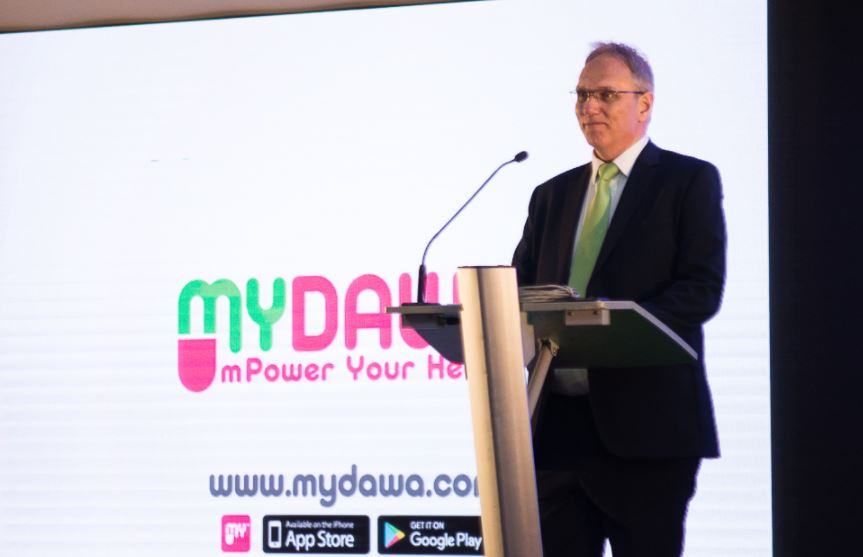
e-health platform, MYDAWA has announced its partnership with Sanlam General Insurance to provide its medical cover policy holders with access to quality, convenient and affordable healthcare products on its portal.
The partnership; which is the first of its kind in the region, also aims at eliminating insurance fraud experienced by customers and insurance providers.
The move is highly beneficial to the insurer as it will lead to significant savings as the MYDAWA e-health solution removes fraudulent and illegitimate claims which have been an issue for the health Insurance industry and contributing to the losses to date. This will create an opportunity for growth that will facilitate for both higher profitability and stronger customer relations.
To the Sanlam member, the collaboration will make it easier for them to access guaranteed quality and affordable healthcare through MYDAWA. It will also ensure that the customer’s insurance cover last longer as the costs for their prescription medication will be on average 20% lower whilst maintaining the highest quality. The member will also benefit from a medical call centre on 0709 797011.
Speaking during the announcement, MYDAWA Managing Director, Tony Wood said that the use of technology in the provision of high quality and affordable healthcare through innovations such as MYDAWA will go a long way in ensuring that the highest quality medication is more accessible to Kenyans.
This partnership is undoubtedly a huge step towards achieving better health outcomes for all
Tony Wood – MYDAWA Managing Director
“Sanlam Insurance PLC is excited to partner with MYDAWA to reshape the Kenyan health care system by delivering value to our customers through the innovative solution.” said Sanlam General Insurance CEO and Sanlam Kenya Acting CEO George Kuria, “By leveraging on the platform provided by MYDAWA, we continue to deliver value to our customers by meeting their emerging needs in this era of the Internet of Things (IOT)” he concluded.
The collaboration signals a new era of healthcare management and delivery in Kenya and a major step towards universal healthcare.
Global Insurer, Aon has changed its ownership structure of its operations across several sub-Saharan countries.
The transaction spans across 10 countries and regulatory approvals have thus far been obtained in Kenya, Lesotho, Malawi, Namibia, Uganda and Zambia, with the approvals for the remaining countries expected in 2018.
The new group will trade as Minet, a well-known and trusted brand across Africa, and will become Aon’s largest Global Network Correspondent.
Aon employees in these countries as well as key senior leadership, who have extensive industry experience and knowledge of our clients’ operations, will remain part of the operations that Capitalworks is acquiring, ensuring leadership, continuity and stability for clients and colleagues alike.
With a growing consumer market and a population that has surpassed 1.2 billion, Africa is now one of the fastest growing regions in the world. The African Economic Outlook, co-authored by the African Development Bank, the OECD and the United Nations Development Programme, expects the continent’s economy to grow by 3.4 percent in 2017 and 4.3 percent in 2018, up from an estimated 2.2 percent last year. The growth will be buoyed by a sustained recovery in commodity prices, a recovering global economy and the return of risk appetite among global investors.
Joe Onsando, CEO for Aon sub-Sahara Africa, now Minet Group, said that Minet is poised to benefit from Africa’s growth and that the company would embrace new technology and innovation to expand its footprint in Africa.
Minet Group’s Chairman, and Principal at Capitalworks, Garth Willis, says: “We are excited about investing in a world-class operation which is one of the leading players in Africa. We will be working alongside management to build on the Aon heritage as a trusted partner to clients in protecting the future of their people and assets in Africa.
“We are specifically looking to take advantage of opportunities to find solutions for the various local market needs and securing Africa’s growing middle class. Capitalworks is looking forward to partnering with the Minet management team that has grown the Group to be the largest risk and human capital advisory network on the continent.’’ he said
Britam Holdings has returned into profitability, announcing a pre-tax profit of Ksh. 4.2 billion in 2016 compared to a loss before tax of Ksh 1.2 billion in the previous year.
During the year, the Group’s asset base increased by 8% to Ksh. 83.6 billion, up from Shs 77.6 billion in 2015.
Total comprehensive income for the group grew to Ksh. 784. 7 million, compared to a loss of Ksh. 3.2 billion in 2015. The main contributor to the difference between the reported profit before tax and the total comprehensive income in 2016 was losses resulting from disposal or revaluation of strategic investments in equities.
The group’s life business registered a sustained growth in 2016, with gross earned premiums growing by 19% to Ksh. 8.8 billion compared to Ksh. 7.4 billion in 2015. Ordinary life premiums increased by 20% while pension contribution increased by 94% driven by sales from the existing network of over 3, 800 financial advisors.
Non-life business gross earned premiums declined by 6% from Ksh. 12.2 billion in 2015 to Ksh. 11.5 billion in 2016 as a result of the Group adopting a more stringent credit policy to mitigate the risk of non-collection of premiums and the adoption of claims handling expenses reserves not previously included. As a result of these changes, the profit arising from this business segment increased to Ksh. 1.0 billion from a loss of Ksh. 92.6 million in 2015.
On the other hand, net insurance benefits declined by 53%. To ensure compliance with requirements of the Insurance Act as amended by the Finance Act 2015 and as required by the Insurance Regulatory Authority (IRA), the Group adopted the Gross Premium Valuation (GPV) methodology which is a change from the previously applied Net Premium Valuation (NPV). This change resulted in a reduction in the net insurance benefits and claims by Ksh. 5.2 billion.
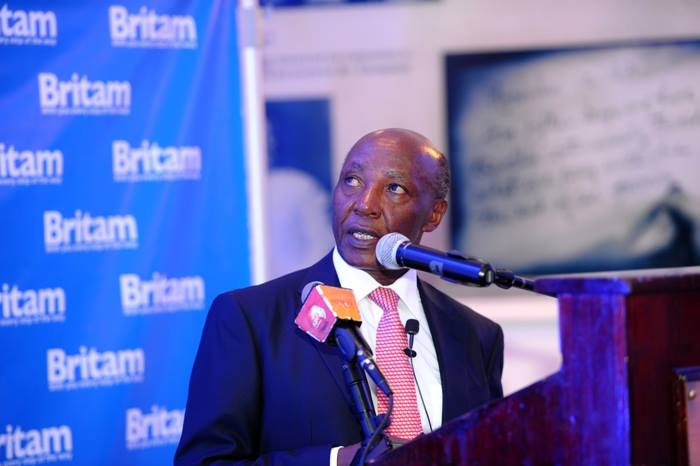
Speaking during the release of the group’s full year financial results for 2016, Britam Group Managing Director Dr Benson Wairegi said that the Group had unveiled a new strategy that will help propel the company to the next phase of growth.
Dubbed “Go for Gold”, the new 2016-2020 strategy is anchored on five strategic pillars of enabling transformation, operational excellence, customer service, Innovation, and Profitable growth.
“The new strategy will be a key platform to deliver the organisation’s next wave of growth, to deliver profitable growth to shareholders,” he said.
Institutions often fail to recognise the impact of cyber security on business, therefore risk damaging organisations’ data, assets and reputation.
By Brian Yatich
Cyber crime has become a growing phenomenon, ignited by the constant growth of technology which has provided criminals with more tools and methods to perpetuate crime.
Cases of burglary, theft and shoplifting which had previously been an issue have reduced and the evil has now shifted online, this has never been an issue to the countries in the region until lately.
Early last year an anonymous hacker group, only identified as “Anonymous” conducted a sophisticated cyber-attack on Kenya’s government facilities, it breached the foreign ministry server and made away with loads of data which ended up leaked to the deep web (a community hidden from the normal internet).
The attack was conducted under the slogan “OpAfrica” an operation which seeks to expose government and corporate corruption across African countries.
The data contained confidential files from the ministry’s server including email conversations, security related communication, international trade agreements and letters discussing the security situation in Sudan.
Other documents include letter conversation related to business collaboration deal between Kenya and Oman and several other documents discussing state officials visiting the country.
Also the same year in March, the Central Bank of Kenya (CBK) received information that the bank and other government facilities could be the target of an imminent cyber-attack; it will be remembered that back in 2013, the CBK suffered a major breach when it’s website was taken over by a cyber-based group known as the ‘Gaza Hacker Team’ which blocked many visitors from around the globe who uses the site to access exchange rates and other financial information.
Another group in February last year hacked Ugandan Ministry Of Finance and leaked data including the site’s database with over 500 usernames, phone numbers, emails and their encrypted passwords, they also attacked another IT company under the Rwandan government. And in Tanzania the same group also leaked details of 64,000 workers from Tanzanian telecom firm.
The anonymous group left a message saying, “It’s too late for African government to expect us”
According to a report by a Kenyan cyber security consulting company, Serianu, 80 per cent of Kenyans connected to the Internet are vulnerable to cybercriminal attacks.
The report indicates that state of Cybersecurity in the region, with majority of private companies and public sector organizations remain very exposed to cyber-crime and internal IT fraud.
Serianu’s study also reports that the annual cost of cyber-crime to Kenyan companies is estimated to be KES 15 billion (USD146 Million) with the public sector being the most affected having losing approximately KES 5 billion per year, followed by the financial services sector at KES 4 billion and the manufacturing and industrials sector at KES 3 billion in third place.
The telecommunications, media and technology and other sectors are estimated to lose about KES 2 billion and KES 1 billion respectively.
The security firm is warning that with the given growing technological landscape especially with the use of social media, will only give cyber criminals an opportunity to infiltrate the networks.
“The scourge is diverse and most institutions affected right from, government institutions, schools, Telecommunication industries and Insurance companies, however these institutions often fails to recognise the impact of cyber security on business, and therefore risk their organisations’ data, assets and reputation” it reads.
The report further found that most organizations with over 70 employees in Kenya have at least two vulnerable computer servers and up to fifteen infected computers that were already hacked into by cybercriminals.
The country records at least 3,000 cyber-related incidences on a monthly basis according to the internet security company.
“The key to protecting data is to develop realistic and prioritized strategies around a situational awareness and pro-actively implement them.” William Makitiani, CEO Serianu said in the report.
“There is a need to thoroughly protect our digital platform. Security professionals need to focus on establishing cyber security situational awareness within their respective organizations,” Makitiani added.
Curbing cyber-crime
Keen on tackling these increasing cases, the government of Kenya has been working on a National Cyber security Master Plan whose goals have included setting up a co-ordinated incidence response mechanism, PKI infrastructure and comprehensive cyber security policies.
With such high incidences of cyber-attacks, the Kenyan government initiated a watch dog known as Cyber Incidence Response Team (CIRT) under the Communications Authority of Kenya to provide information and assistance to its citizens in implementing proactive measures to reduce the risks of computer security incidents as well as responding to such incidents when they occur.
Among these measures it included the setting up of a forensic laboratory in the next three months which, will seeks to monitor imminent threats and prevent possible attacks.
The top four sources of cyber security attacks to the East African countries, the report lists the US with the highest number at 20 per cent followed by China, Russia and Venezuela at 19 per cent, 11 per cent and 10 per cent respectively.
In order to assist East African organisations in overcoming these burden, late last year, the National Information Technology Authority – Uganda (NITA-U) together with NRD Companies organized the fourth annual Cyber Defence East Africa 2016 conference (CDEA) which seeks to serve as a practical knowledge sharing, skills building and networking platform, aimed to address cyber security issues and bring together the Government, the ICT Industry and Academia in efforts to create a better and more secure digital environment for the states, governments, businesses and citizens in East Africa.
Currently, Kenya ranks at (15) position with Uganda ranking at ten (10) globally and Tanzania holds at positon (22) in the ITU Global Cybersecurity Index & Cyber wellness Profiles.
Cyber-criminals have been known to be targeting the holiday seasons, during a period which users are spending money online than usual.
The security firm highlighted the need for an increased number of skilled security professionals and service providers adding that the cyber-crime can be mitigated by building visibility around the company’s data, assessing the risk posed to the data and developing appropriate security programmes.
On a personal level, clicking on any links received from unknown people, or on suspicious links on social sites or e-mail can be malicious and always and are advising that an individual must double-check to ascertain that a webpage is genuine before entering any credentials or confidential information.
Kenya Women Finance Trust (KWFT) has partnered with insurance provider Liberty Life Assurance to offer life insurance to its members. The cover dubbed KWFT Maisha Plus seeks to give the over 800,000KWFT customer’s beneficiaries’ peace of mind in unfortunate of demise.
“Financial burden accompanied with the loss is strenuous leaving families emotionally and financially drained. “This product is meant to provide peace of mind to our members during and after bereavement” says Mwangi Githaiga managing director KWFT.
Maisha Plus will be offered at a premium of KSh75 per month. Beneficiaries who have loans with KWFT receive up to Ksh100,000 in the event of a members demise. Claims, Mr Githaiga will be settled within two days.
The life cover will be exclusive to the over 800,000 KWFT bank customers in urban, peri-urban and rural areas. KWFT customers will be able to pay through agency banking or through mobile banking which currently has over 200000 subscribers.
Abel Munda, Liberty Life managing director said the new partnership will help increase life Insurance penetration in Kenya. “As life assurance companies in Kenya, it is our responsibility to provide vast assurance products to Kenyans.” He adds that the partnership will be key to driving life insurance that remains low in the country.
Kenya continues to record low insurance penetration rate of one per cent. Lack of awareness by consumers has been fronted as the main reason to this. The Association of Kenya Insurance has also been quoted attributing the low levels to the rebasing of the country’s economy. Insurance penetration is calculated as per a country’s GDP. After Kenya’s rebasing its GDP expanded by 25 per cent.
Britam Holdings Limited is the overall winner of the Association of Kenya Insurers AKI Agent of the Year Awards (AAYA).
For 10 years in a row, Britam won the Overall Company of the Year Award for having the highest number of qualifiers in the event, which celebrates outstanding performance of insurance sales agents, and companies in the country.
For the first time, this year’s event under the theme “The future of Insurance beyond 2020” incorporated both life and general insurance sales agents.
Britam had 160 out of the 279 agents who qualified for the industry awards.
“This great achievement is the result of the dedication, commitment to excellence and determination by our Financial Advisors and the entire sales management team,” said Mr. Ambrose Dabani, CEO, Britam Life Assurance Company.
Britam is currently the market leader in life insurance in the country. There are 47 Insurance Companies in Kenya.
The latest industry data for the period January to June published in September 2016 by the Insurance Regulatory Authority shows Britam’s market share rose to 22.11 per cent in the first half, from 20.34 over the same period last year.Britam also had a gross premium income of Sh7.2 billion against the long-term life insurers’ total Sh32.6 billion.
Health Experts Call for Partnerships to Improve Access To Healthcare
Experts drawn from the pharmaceutical industry have called for strategic partnerships between both the public and private sector to improve healthcare delivery in the sub-Saharan region.
Speaking during a conference on Improving Access to Medicines through Partnerships in Sub-Saharan Africa organised by Takeda, a pharmaceutical company, the team of experts noted that a majority of patients arrive too late for healthcare due to lack of awareness on health issues or lack of access to healthcare facilities.
Josh Ruxin, the Co-Founder and Executive Chairman of Goodlife Pharmacies keynoted the conference and said there was a need to rationalize healthcare systems and channel funds toward increased access to basic health services and access to essential medicines.
“Billions of dollars have been pumped into the sub-Saharan region to combat ailments such as HIV/AIDS, Malaria and Tuberculosis often yielding tremendous results. However, the tide has changed. Other diseases, especially Non-Communicable Diseases (NCDs) such as heart disease, diabetes and cancer are now the leading cause of death” said Mr Ruxin.
According to data from International Finance Corporation, sub-Saharan Africa is ranked as having the worst health on average in the world. The region has 11 percent of the world’s population but carries 24 percent of the global disease burden.
Ruxin noted that in Kenya alone, Non-Communicable Diseases account for more than 50% of total hospital admissions and over 55 per cent of hospital deaths. Disease such as cancer, hypertension, and diabetes are becoming commonplace due to more sedentary lifestyles and shifts in eating habits. Sadly healthcare is increasingly become an economic burden to the family unit and a leading cause for emerging consumers to fall back into poverty.
It is now estimated that Kenyans spend about Ksh10 billion annually overseas on cancer treatment. Mr Ruxin noted that it was critical for the renewed effort to improve healthcare in the region focus on developing sustainable, mutually beneficial partnerships that span from the public to the private sector.
The barriers to quality affordable healthcare that have created a conducive environment for the epidemic growth of NCDS can only be addressed when all stakeholders collaborate to tackle issues such as improving diagnostic capabilities, access to quality and affordable medicines and universal health insurance.
Mr. Ruxin said Goodlife Pharmacies – which is backed by Leapfrog Investments and the IFC — has played a critical role in bringing down the price of quality medicines by building a large pharmaceutical chain that can negotiate better prices with drug suppliers.
“One of the challenges the region has had is the existence of standalone pharmacies that purchase medicines in small quantities and pass on the higher cost to consumers,” he explained. He continued, “The wealthiest people in the world – in Europe, the US, Japan and elsewhere are paying lower prices for quality drugs because they are buying from providers that operate at scale. The private and public sectors must address this dissonance which is costing consumers in the region money, and sadly, lives.”
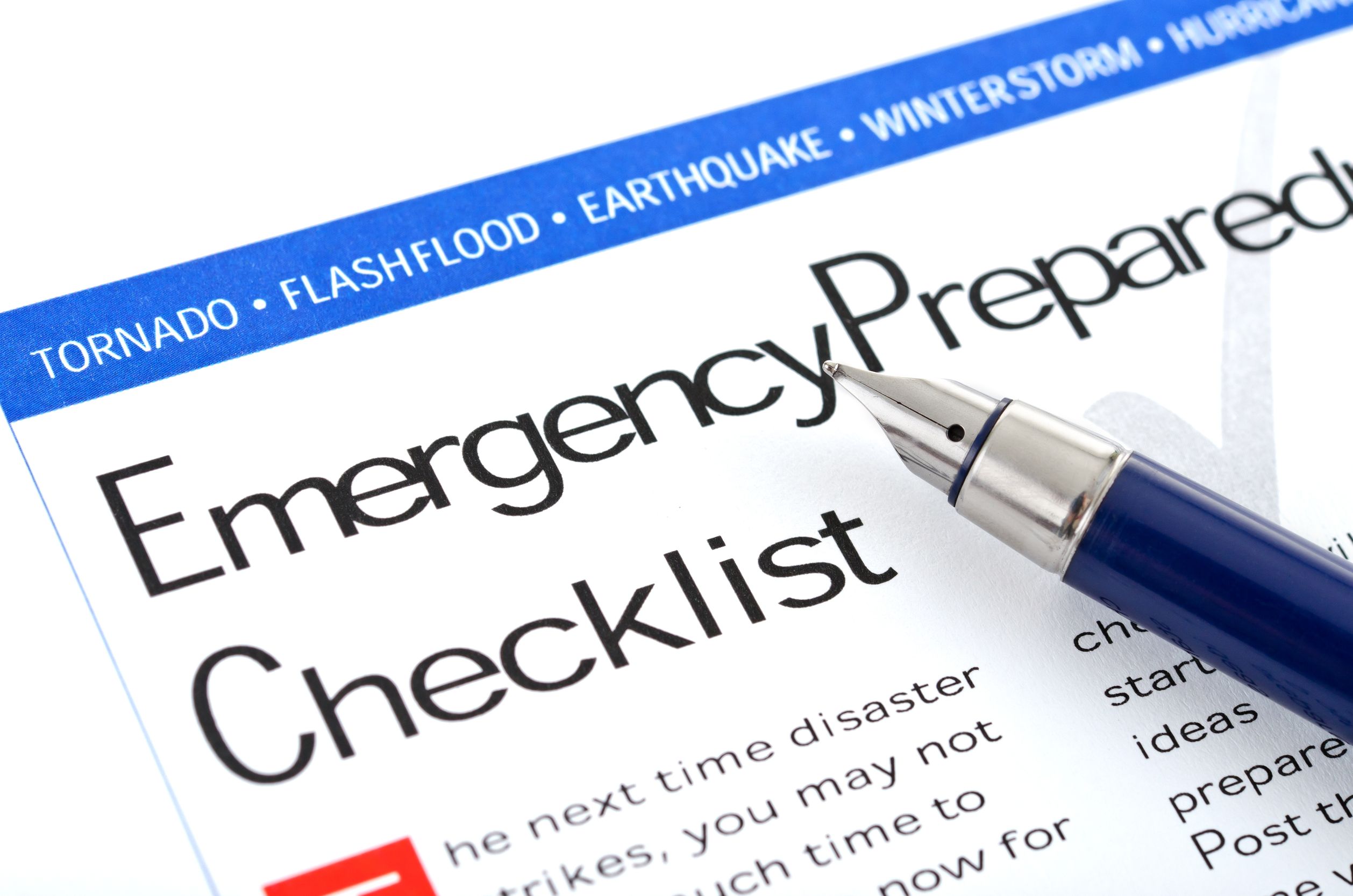
There are those who will advise you to forget and move on when a disaster wipes out your business. Continuity East Africa will show you how to bounce back to business.
By Tullah Stephen
The 2015 Westgate terror attack in Nairobi should serve as a cautionary tale to those in business. The attack reminded investors in the region how fragile businesses can be in the wake of natural or artificial disasters.
For weeks, businesses adjacent to the attacked mall remained closed as a security measure. Employees and their employers were asked to stay home for days. As a result, businesses suffered massive and potentially crippling losses.
So what happens during these calamitous times when businesses are not able to operate? As an entrepreneur or an investor, how do react to emergencies of such magnitudes?
Pete Frielinghaus, the managing director of Continuity East Africa says most businesses rarely recover from such disruptions. A few that bounce back are those that have insurance policies. But even then, insurance cover is not a guarantee.

Pete Frielinghaus, the managing director of Continuity East Africa
Frielinghaus says businesses should have a plan in place that will ensure that they continue to operate seamlessly during interruptions.
“Businesses rarely get a heads up when such things happen. It is critical that businesses take time to create and implement their own disaster and continuity plan before the worst happens,” says Frielinghaus.
Business continuity (BC), he explains, refers to maintaining business functions or quickly resuming them in the event of a major disruption. A BC plan outlines procedures and instructions that your company needs to follow in the face of disaster.
The plan, Frielinghaus explains, covers business processes, assets, human resources, business partners, among others, which a company may count on when the business are temporarily down.
Creating a business continuity plan
Businesses, Frielinghaus says, ought to start by making assessment of what processes they would require to continue operations in the case of a disaster. This should include items, space the employees would need, as well as the data they would need protected.
The next step, Frielinghaus says, is to formulate the plan bearing in mind the daily functions are most important to the business.
Choosing a BC consultant
According to Frielinghaus says, companies should look for experts that can help them understand their risk profile, and then develop appropriate risk-mitigation strategies.
Frielinghaus, who oversees operations at Continuity East Africa, points out that Continuity EA, is among the few companies offering such services in the region.
Last year, the firm launched the first phase of its KSh200 million business recovery centre to help Kenyan businesses draw up threat profiles and reduce impact of disruption.
The new work office provides local businesses with a workspace where they can continue to work while they recover from interruptions. The space has 104 seats, each with a desk and a chair, cable interconnection for voice and data, as well as uninterrupted power supply (UPS). All these are located at the data recovery centre.
The workspace, Frielinghaus says, is categorised into two. There is the dedicated seats category, which guarantees a pre-defined number of customers. These seats are allocated exclusively to a customer who can use them at any time, including during large scale crises.
Then there is the shared seats category, which offer flexible scheme of pre-defined number of customers and offers them enough room to implement their business continuity plan during normal situations. However, this category of seats guarantees only a ratio of seats during large scale crises.
Frielinghaus says clients are also free to sign up for a combination of shared and syndicated seats.
The firm’s first target is the financial sector, which has experienced tremendous growth in the last few years.
“Already, we have the necessary infrastructure up and running and we are configuring four clients at the moment.”
In addition to work-area recovery and data centre facilities, Continuity EA offers full advisory and training services to upskill their own staff.
Continuity plan vs disaster recovery
One of the biggest misconceptions, Frielinghaus says, is that people think that a disaster recovery plan is the same as BC. However, disaster recovery plan focuses mainly on restoring IT infrastructure and operations after a crisis and is mostly part of a business continuity plan.
A major challenge for African business is the fact that BC is not yet embedded in most organizations cultures. According to Frielinghaus, business continuity plans are not a priority to most businesses in sub Saharan Africa as some are just comfortable with just creating backups.
“With east Africa’s economy growing, the region is becoming more prone to interruptions.”
He points out that there are only a handful of companies offering quality BC services in the region and that could perhaps be the reason why awareness of the concept is low.
Frielinghaus, who has been in the industry for the last 27 years — working with different companies across Africa, believes that one of the biggest challenges to business continuity in east Africa is shortage of skills in business continuity.
“We are working with the United States International University (USIU) in Nairobi to help them prepare a curriculum for BC. The market is huge and wide open for exploration. We hope this initiative will expand the pool of professionals in the region.”