Thailand is reinforcing its position as a global leader in medical tourism, as rising demand for affordable, high-quality and technologically advanced healthcare continues to reshape travel patterns worldwide.
Long recognised as a top destination for medical procedures, Thailand is now capitalising on a broader shift in how health is defined. Increasingly, travellers are seeking not only clinical treatment but also holistic experiences that address mental health, emotional wellbeing and overall vitality.
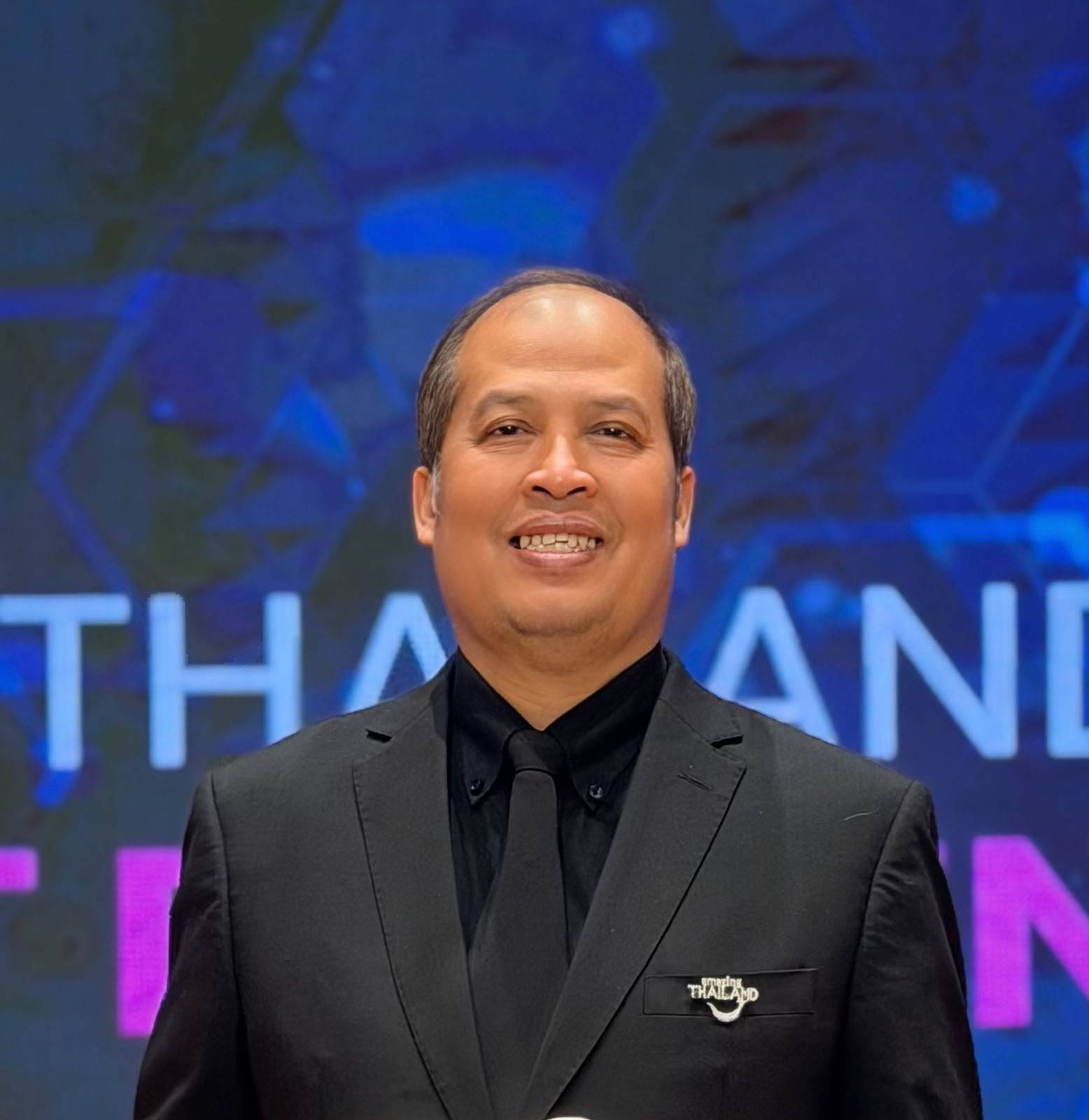
According to Ahman Mad-Adam, Director of the Tourism Authority of Thailand Dubai Office, this evolution has given rise to a new category of medical wellness travellers who prioritise recovery experiences alongside treatment.
“Returning to the pace of normal, everyday living after undergoing any kind of treatment can be quite a shock to the system,” he said. “What most travellers are after is something in between world-class medical treatment followed by a tailored recovery programme that allows the body and mind to rejuvenate at their own pace.”
Thailand currently attracts more than 2.5 million medical tourists annually, driven by its strong reputation for internationally accredited hospitals, highly trained medical professionals and consistently positive health outcomes.
Bangkok remains the country’s primary healthcare hub, hosting a concentration of private hospitals and clinics. Facilities such as Bumrungrad International Hospital and Samitivej Hospital are globally recognised and provide easy access to high-quality care for international patients.
Beyond treatment, the city is also emerging as a centre for integrated wellness. The RAKxa Integrative Wellness Centre exemplifies this approach, combining traditional Thai healing practices with modern medical science to offer personalised recovery programmes tailored to individual needs.
Such centres typically incorporate physical rehabilitation, nutrition planning and mental wellness support over structured periods, enabling patients to recover in a more holistic and sustainable way. This model is particularly beneficial for individuals requiring post-treatment care that considers both physical limitations and emotional wellbeing.
In some cases, travellers opt for wellness programmes as standalone experiences, seeking to detox, manage stress, improve sleep, address hormonal imbalances or strengthen immunity.
Other destinations across Thailand, including Chiang Mai, Phuket and Koh Samui, are also gaining recognition as wellness hubs, offering a blend of natural environments and specialised care facilities.
Mad-Adam noted that Thailand’s ambitions in medical tourism are closely aligned with its broader sustainability goals.
“Living up to our reputation as one of the world’s top medical tourism destinations also ties into our objectives as a green tourism and sustainability destination,” he said. “It’s about creating both a natural and built environment that is conducive to wellbeing while delivering exceptional care responsibly and for the long term.”
As global demand for integrated healthcare experiences grows, Thailand’s combination of medical expertise, wellness innovation and sustainable tourism positioning is expected to further strengthen its appeal among international travellers.
