Cross border e-commerce continues to provide significant growth opportunities for retailers and manufacturers with an international online product offering.

Cross border e-commerce continues to provide significant growth opportunities for retailers and manufacturers with an international online product offering.

Tigo Tanzania and Uber have partnered to offer customers an innovative and easy access to efficient transport system in Dar es Salaam.
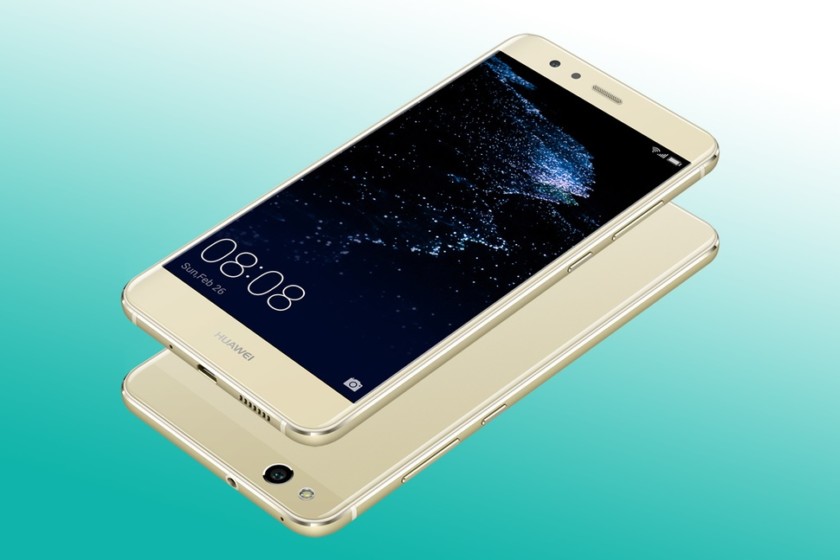
Chinese smartphone maker, Huawei has launched its Huawei P10 Lite smartphone in Kenya as it eyes the mid-market segment seeking to aggressively push for an increased share of the local smartphone market.
The miniature version of their flagship device follows the successful production of its predecessors, Huawei P10 and the Huawei P10 plus. The P10 Lite, like its precursor, the P9 Lite, arrives with a 5.2-inch full HD display.

Huawei has tried to keep the design language for the Huawei P10 Lite similar to the P10 flagships, incorporating a 2.5 D curved glass on the front and a metal frame.
The most notable feature with the budget model is the fingerprint scanner which has moved over to the back. When it’s not being used for secure access to the phone, one can swipe over it to scroll through photos or access the pull-down settings and notification menu on screen.
Huawei P10 Lite comes with Android 7.0 Nougat operating system with an EMUI user interface. It also comes with a Full HD resolution display, measuring 5.2-inches from corner to corner with a resolution of 1080×1920 pixels with a thickness of 7.2mm.
The new smartphone comes with HiSilicon Kirin 658 processor paired with 4GB RAM and 32GB of inbuilt storage, which is expandable up to 256GB via a micro SD card (it uses SIM2 slot)
As for the camera, it features a Dual 20 MP + 12 MP, f/2.2, OIS, Leica optics, 2x lossless zoom, phase detection and laser autofocus, dual-LED (dual tone) flash for photos and videos.
One notable feature is that the Huawei P10 Lite is the first “lite” P-series device to get Huawei’s proprietary Knuckle Sense technology that allows users of to do things (gimmicks) like knocking twice on the display to take a screen shot or drawing a C with their knuckles to open the camera app, the software has been available on Huawei’s flagship devices in the P and Mate series since 2015 when it debuted on the P8.
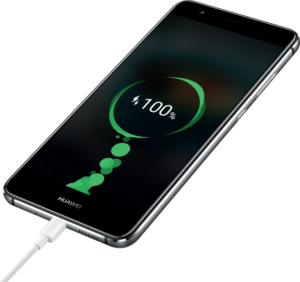 Huawei claims that the P10 Lite’s battery, which is still similar to last year’s P9 Lite capacity-wise (3,000mAh) can last 2 hours playing video from a 10-minute charge.
The budget-friendly, Huawei P10 Lite is already up for sale in Kenya through various online retailers, available in Pearl White, Graphite Black, Platinum Gold, Sapphire Blue colors.
New device will put to rest several cases of exam leaks in institutions of higher learning
By Ben Oduor
It’s going to be business unusual for hardcore exam cheats who sneak into classrooms with mobile phones, thanks to a student innovation from the Technical University of Kenya (TUK).
In what would have been assumed by some students as a ‘good for nothing’ challenge from their lecturer, Boniface Mutegi Githinji heeded to his tutor, Prof Jackson Odote, when he instructed the class to come up with life-changing innovative ideas in 2016.
“That was part of my regular annual session with students when I challenge them to come up with impactful innovative ideas. This being a technical university, it is incumbent that we graduate students who are fully equipped with technical skills that can advance the society,” says Prof Odote, an associate professor at the Department of Physics and Space Sciences.
“This time round my interest was on technological innovation. I challenged students to explore more ideas in this field, hinting on them to come up with a gadget that could help supervisors nab exam leakage in classrooms by detecting presence of mobile phones.”
The professor knew various ideas would pop up, but not of his most preferred gadget. Certainly, he was wrong. Weeks later, one student knocked on his door with a proposal to give the challenge a try, under his coaching though.
“What I saw in him at first instance was passionate drive to get his hands on something. With the kind of determination that was written all over his face, the idea was going to be transformed into something big. I said ‘let’s give it a try,” says Prof. Odote.
Mutegi, a final year student pursuing Technical and Applied physics, recalls making several visits to his lecturer’s office and to the lab to gather theoretic and practical skills, a move that is set to bear fruits.
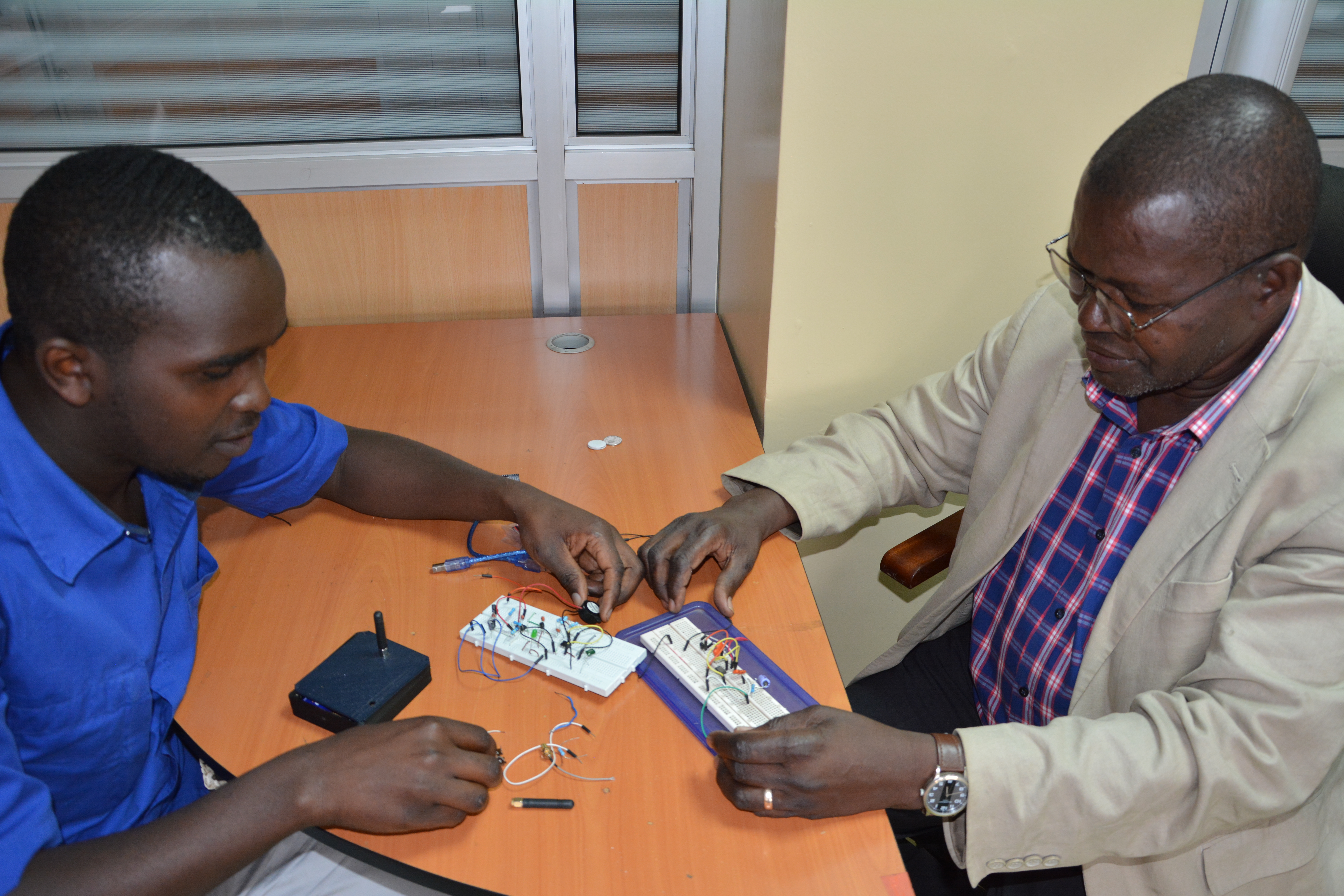
Twelve months later, in an interview with the professor and his student innovator at his office on the fourth floor of Telecom House, Haile Selassie Avenue, the duo displayed a prototype of the mobile detector, which they say detect hidden communications such as voice calls, interactive messaging and search engine activities on mobile phones that students carry into exam rooms.
Mutegi says the gadget will be installed strategically within examination rooms that will be divided into smaller cells. Each cell will be represented by a student, and it is this strategic positioning of the mobile detectors, added to the cell aspect of the innovation, that will help track the specific source of the mobile signal giving lead to the culprit.
Further, the student says the mobile detector will also identify the specific type of mobile phone responsible for making a given type of communication in an exam room, and will detect phones ranging from 2G, 3G, 4G and 5G networks that are currently in or poised to operate in the Kenyan market.
If it detects a mobile phone that has been switched on during an examination session, the student says the gadget either produces some sound or light beams to alert the supervisor of the illegal act underway.
According to Prof. Odote, the innovation is based on the principles of electromagnetic induction, a law in physics discovered by Michael Faraday that defines the behavior of an induced electromagnetic field from the magnetic flux (change in a magnetic field).
And to protect intellectual property rights of the innovation from keen observers who would want to reap proceeds without sweating to develop it, the professor says he has already patented the gadget at the Kenya Industrial Property Institute (KIPI).
“The registration of patents is a process which takes note of every step you make in the development of an innovation from infancy to product phase. We are still at a stage where we’re perfecting the gadget,” he refers.
“We don’t want such innovations to lose royalties and go unrewarded. This is something that can impact huge in the education sector.”
Once fully developed, Mutegi says, the mobile detector can either work with or integrate certain features of the closed-circuit television (CCTV), in a coalition where whilst the CCTV will offer video surveillance, the detector will alert supervisors on exam leaks through sound or light beams.
“The devices will be interfaced with computers using programmed microcontroller to be monitored by the exam supervisors from the comfort of their offices,” he forecast, saying this would seriously reduce cases of exam leakage which has for decades ailed Kenya’s Education Ministry.
Last year, Education Cabinet Secretary Fred Matiang’I introduced a raft of measures to curb exam cheating following massive irregularities that saw the results of about 2,709 primary and 5,100 secondary school candidates cancelled the previous year.
He had to ban all social activities in third term, shorten the period for Kenya Certificate of Secondary Education exams (KCSE) from six weeks to four and put head teachers directly in charge of the tests in their schools, this in an effort to reflect credible results.
There was also a proposal to use CCTV surveillance cameras during the examination process.
But Prof. Odote says supporting technological innovation can remedy some of these perennial challenges in the education sector, clarifying that the sector’s cabinet secretary has already acknowledged their innovation and given it go-ahead.
“The CS is aware of what we’re doing here and he’s glad the gadget would save government huge resources spent to curb leakages during examination periods,” he beams, urging science and technology commissions such as the National Commission for Science and Technology (NACOSTI) to focus more on supporting innovators.
As a parting shot, Mutegi says his vision is to see the mobile detector through to commercial viability, creating an impact in schools.

The Samsung Galaxy J Pro series: the 5.5-inch J7 Pro and 5.2-inch J5 Pro smartphones have started selling in the Kenyan market. The new devices improve on previous J Series models with a more refined design, improved performance and enhanced cameras for the ultimate user experience.
“At Samsung Electronics we are always striving to ensure that our consumers have the most advanced products in the market,” said Mr. Jung Hyun Park, Vice President and Managing Director, Samsung Electronics East Africa.
“The latest Galaxy J Pro series is a testament to this. We integrated our unique approach to design as well as the features Galaxy customers have come to love to provide added performance without compromising on style.”
The new J Pro models feature a 2.5D glass and a full metal body for added style and durability. Additionally, with no camera protrusion, the back of the devices now feel smoother and more comfortable to carry and hold.
The Galaxy J7 Pro features a 5.5” full HD, super AMOLED display, 3GB of RAM, Octa core processor and a 3600mAh battery. Comparatively, the J5 Pro features a 5.2” HD, super AMOLED display, 2GB of RAM, Octa core processor and a 3000mAh battery.
Both Models feature 13MP front and rear cameras with wide aperture F1.7 rear lens and F1.9 front lens respectively for enhanced photo detail and brighter photos in low light conditions.
The J5 and J7 Pro models come with 16GB internal storage and a Micro SD expansion up to 256GB. For added security the new models also feature a Fingerprint sensor and secure folder feature to help users keep select files, multimedia and apps isolated in an encrypted space of the device memory.
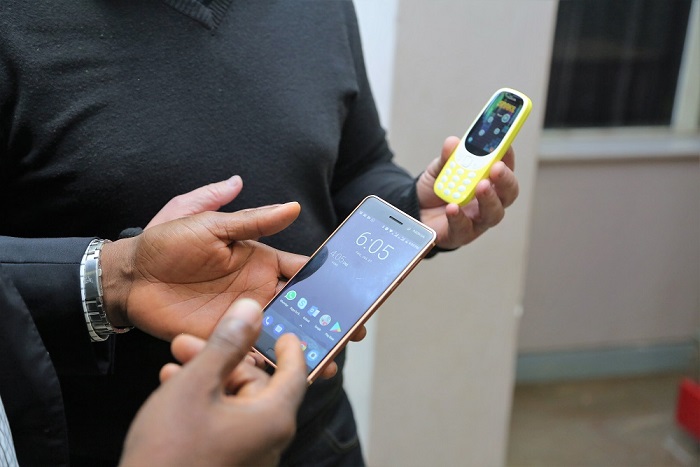
HMD Global, the home of Nokia phones has on Thursday re-entered the smartphone market in a revamped version.
The Finland-based firm is ready to battle it out in the high-end smartphone segment to reclaim its lost charm with the introduction of its first Nokia smartphone range – comprising of the Nokia 3, Nokia 5 and Nokia 6.
Nokia had captured the global market by storm before imminently ending its phone production for two years and now it has fine-tuned its operations strategy with the launch of the new devices in a bid to strengthen its user base.
Speaking during the launch of the new Nokia devices, Justin Maier, vice president Sub-Saharan Africa, HMD Global, said that the company’s entry in Kenya is a new chapter for Nokia smartphones.
“It’s a new era for us, our ambition is to meet the needs of the African people, we are delighted to bring the Nokia 3310 phone to our consumers in Kenya. Nokia has been one of the most iconic and recognisable phone brands in our country for decades,” he says
Specifications
Nokia 6:
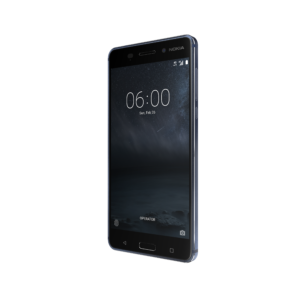
With a 5.5” full HD screen, the new Nokia 6 is crafted from a single block of 6000 series aluminium and is perfect for those who want a robust phone with outstanding entertainment credentials.
It comes with smart audio amplifier with dual speakers allow consumers to experience a deep bass.
The Nokia 6 has a fully laminated display stack delivering excellent sunlight readability without compromising the slim form.
The model is powered by the Qualcomm® Snapdragon™ 430 mobile platform and the Qualcomm® Adreno™ 505 graphics processor.
The Nokia 6 is available in three distinct colours – Matte Black, Silver and Tempered Blue – and will retail at KES 24,999.00.
Nokia 5:
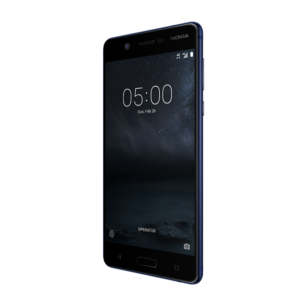
The Nokia 5 has 5.2” IPS HD display with sculpted Corning® Gorilla® Glass.
It features a long lasting battery life, improved graphics performance – all in a package that perfectly balances everyday usability with a premium quality design.
Additional features including an 8MP, 84-degree wide-angle front facing camera – to squeeze even more scene into your selfie – and excellent sunlight and low light screen visibility, there are plenty of reasons to keep the Nokia 5 out of your pocket and in your hand where it belongs.
The Nokia 5 is available in four distinct colours – Matte Black, Silver, Tempered Blue and Copper – and will retail at KES 19,999.00.
Nokia 3:
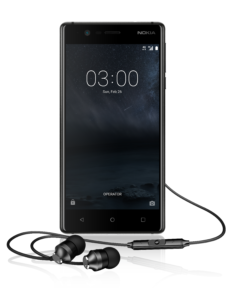 The Nokia 3 features a precision machined aluminium frame forged out of a single piece of aluminium, offering exceptional structural integrity and protection where it counts.
Features a fully laminated 5” IPS display with no air gap and sculpted Corning® Gorilla® Glass, the Nokia 3 offers durability and superb clarity delivering a viewing experience that is second to none.
Has fewer reflections thanks to the polarised screen, the experience is crisp and clear offering unbeatable visibility even in bright sunlight.
With seamlessly integrated 8MP wide aperture cameras (front and back), the Nokia 3 packs a truly premium quality smartphone experience into its compact and elegant form.
The Nokia 3 is available in four distinct colours – Matte Black, Silver, Tempered Blue and Copper– and will retail at KES 14,999.00.
Nokia 3310
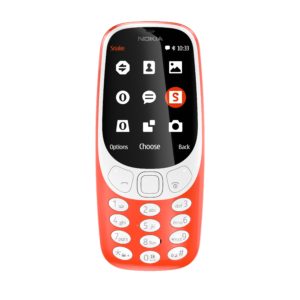
The new Nokia boasts of a long lasting battery with a standby for up to a month on single charge. The model comes preloaded with the Classic Snake game.
For Internet users, the new Nokia 3310 gives you the ability to access popular web content with the Opera Mini Browser with social sites Twitter & Facebook pre-installed. It comes with a Dual SIM switching option. The Nokia 3310 feature phone will retail at KES 5,299.00.
The new devices will be available through mobile phone service provider, Safaricom, and through selected retailers from today.

Outsourcing and technology services company, VFS Global has announced its entry into the Kenyan market as part of its expansion plans to meet the increasing demand within the region of Africa.
The Visa application centre is relocating from its Schengen, South Africa and DVPC operations to a larger and easily accessible facility.
Applicants can now visit the VFS Global Visa Application Centre located at 5th Floor, Park Field Building, Muthangari Drive, Off Waiyaki Way, Westlands, Nairobi.
The newly opened centre was inaugurated on 26 July 2017 in the presence of dignitaries from the diplomatic missions including HE Mrs. K. Mqulwana, High Commissioner- SAHC, Ms. Britt Balschmidt Tramm, Consul-Denmark, Ms. Angela Loi, Deputy Head of Mission- Italy, Mrs. Barbro Ekvall, First Secretary, Head of Migration/Visa Section and Mr. Ben Leed, Head of Visa & Immigration – Norway.
Spread across 10,400 square feet, the new Joint Visa Application Centre will now offer applicants nearly double the seating facility in comparison to the previous location apart from easy access via public transport as it is prominently situated and well connected. The centre also provides parking facilities for its applicants as well.
In a statement, the South African High Commission said, “The establishment of the centre will greatly improve service delivery to our clients aligned with Batho Pele principles, ‘people first’. Visa applicants will also enjoy more convenient, considerate, comfortable and reliable services so as to facilitate frequent visitors to South Africa, effectively and efficiently.”
Commenting on the launch, Mr Jiten Vyas, COO – Africa, VFS Global, said, “With the increasing travel emanating from countries like Kenya in Africa, we have decided to relocate to a much larger and well-placed centre as part of our global commitment to offer an enhanced service experience to all our applicants. This also underlines the firm commitment we have always shown towards our client governments in ensuring a more streamlined world-class visa service on their behalf to the applicant.”
The new centre is set to offer services on behalf of client governments of Austria, Denmark, Italy, Norway, Sweden and South Africa alongside DVPC operations.

Burhani Engineers Limited today signed a partnership with the Kibera Sub-County government to provide computer systems and Engineering Power Classes to pupils within the county.
The distribution is aimed at increasing interest in Science, Technology, Engineering and Mathematics (STEM) education and preparing the grassroots demographic for more technology-based career opportunities.
The Burhani support is coming on a backdrop of a recent study by the US department of education that projects an increase in STEM jobs.
The study shows that students perusing mathematics increase their chances of obtaining a job by 16 per cent, computer system analysis by 22 per cent, system software development by 32 per cent, medical scientists by 36 per cent and biomedical engineering by a whopping 62 per cent.
This support is good news for the country’s digital learning programme that is set to instill computer studies into pupils from class one.
Mid this year, the government embarked on its free lap top project by distributing over 12,000 learning devices to 150 public primary schools as the pilot for Digital Literacy Programme.
The government intends to distribute 1.2 million devices to public primary schools across the country by next year in a programme that has since been re-branded DigiSchool.
The partnership, signed between Burhani Engineers Limited represented by the Managing Director Mr. Zoher Pirbhai, Kibera sub-county Directorate of Education, represented by Mrs. Lydia Mutegi and the Kibra MP’s Office represented by Ann Ithara will see at least 10 schools receive 10 computers in the first round.
Moderated by Funke Michaels-Miano, an MIT and Harvard University Fellow, the initiative will benefit Kibra schools including Kibera Primary, Toi Primary, Mbagathi Primary, Olympic Primary, Redrose school, Kibera Secondary, Mbagathi secondary, Olympic secondary and the sub county education directorate.
“East Africa is industrializing at a very rapid pace; and our population needs to align with emerging opportunities. We need our workforce to have the necessary skills to be competitive in these highly technical areas. We see a situation whereby we can reach to the young talents, nature their talent and improve their Knowledge in ICT” Mr. Zoher Pirbhai said.
He added that the Engineering Power Classes will be taught once a week in the schools by Burhani team members. Being a second generation engineer himself, Zoher explored the role of corporate citizens in imparting hands-on knowledge within the community.
As champions for the next generation of engineers, and as talented colleagues in related fields, the forward-looking team at Burhani Engineers are perfect examples of #AfricaRising with many champions coming up among us.
In her remarks, Mrs. Lydia Mutegi a veteran teacher herself, thanked the firm for the initiative and assured them that the computers will be put into good use.
“This initiative has come up at the right time”, Mrs. Lydia Mutegi said. “The area MP is currently constructing additional secondary schools here, and I know that the computers and power classes will be of great assistance. I urge other organisations to follow this example and help us improve the level of education in this country.”

Internet security company, ESET East Africa has announced a free cybersecurity training for businesses and their employees in Kenya.
The training course which will be offered over the Internet seeks to enable firms curb the impact of cyber attacks and data breaches that are becoming more severe to business operations around the world.
A recent survey by ESET in its North American markets found that more than 30 per cent of people polled have never received any cyber training or education in their workplace, even though the majority of cyber breaches are caused by employee errors and ommissions.
“We know that this ratio is much higher in East Africa and possibly worse across the continent. Businesses, especially SMEs that lack resources to provide even basic training now have an easier way to ensure their employees get the cybersecurity awareness they need, while meeting compliance requirements“, explained Teddy Njoroge, ESET Country Manager in charge of Kenya.
IT professionals, small business owners and others can sign up to access the modules anytime through the link eset.com/cybertraining .
Modules in the ESET Cybersecurity Awareness Training include, web and email protection, how to spot phishing emails, password best practices, social engineering, two-factor authentication and Internet of Things (IoT) security.
All topics in the training are core and need to know for all employees. They are explained in user-friendly language, and can be completed in under 90 minutes. On completion employees will be expected to report to their manager and receive a certificate of completion.
The announcement by ESET comes just a month after the globally devastating WannaCryptor Ransomware attack which crippled hundreds of organizations while shutting down over 200,000 computers around the globe.
“A simple but successful cyberattack or data breach, can be devastating with impacts such as litigation, increased insurance premiums, among other reputational issues. All these can directly affect the company’s bottom line, and for this reason, training employees on cyber security best practices is a must“, concluded Njoroge.

HUAWEI P10 is the world’s first smartphone with a rear dual-camera co-engineered with Leica