There is a Bible app sitting on your phone right now. Maybe someone sent you a verse on WhatsApp and you thought, let me get that app. Maybe it has been there since you were given your first smartphone and you have never deleted it, even when storage got tight. Either way, it is there. Sandwiched between Instagram and M-Pesa, a quiet reminder that faith has found its way into the most personal device you own.
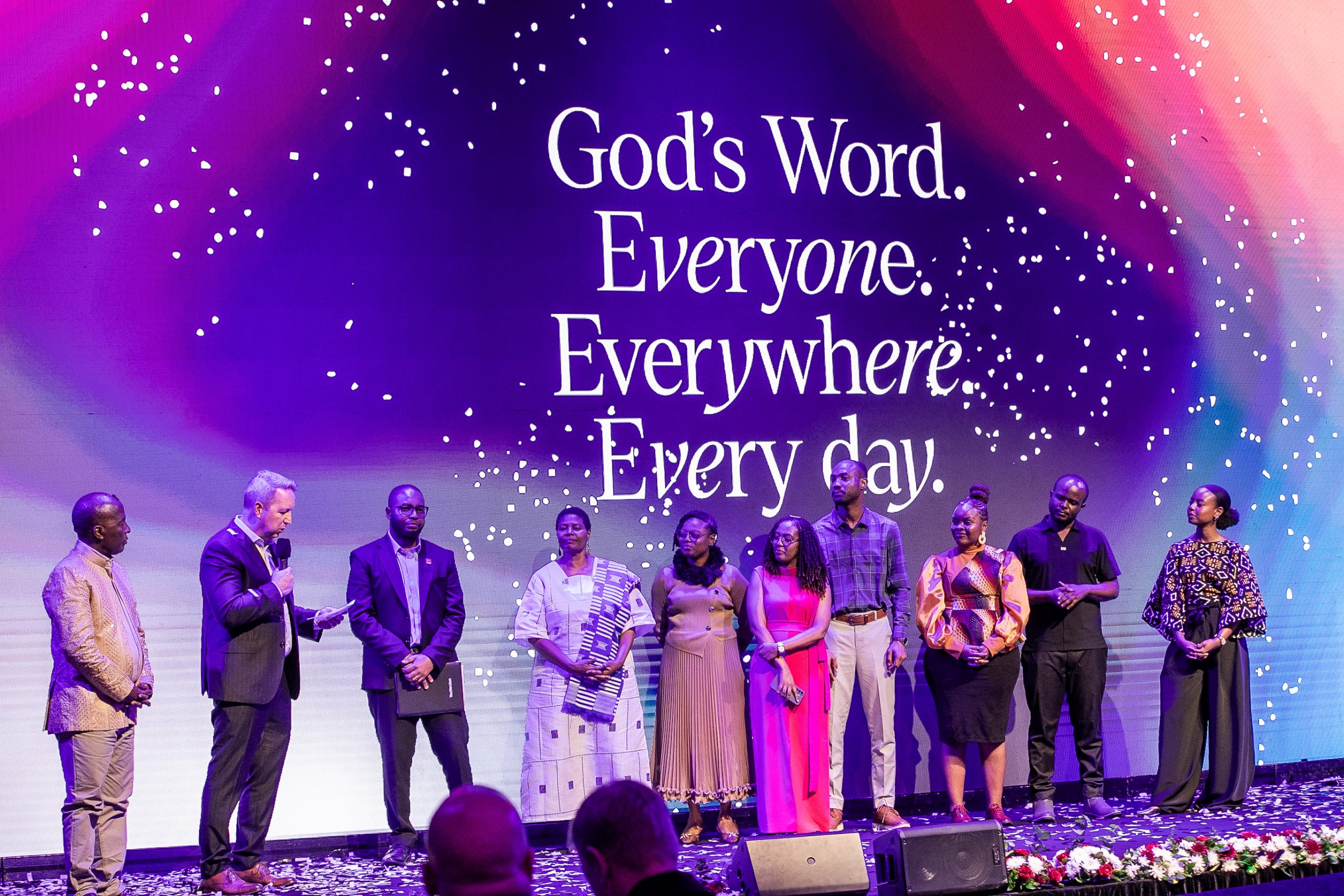
On the evening of 23rd February 2026, YouVersion — the organisation behind the world’s most downloaded Bible app — officially opened its Kenya Regional Hub at the JW Marriott Hotel in Westlands, Nairobi. With over one billion installs worldwide and 19 million in Kenya alone, the decision to plant roots here was not a corporate courtesy. It was a recognition of something that has been building quietly for years: Kenya, and Africa broadly, is not just consuming the Bible digitally. It is helping define what that experience looks like for the rest of the world.
A billion downloads and a 19-year-old
The origin story is almost absurdly low-key. In 2006, YouVersion founder and CEO Bobby Gruenewald was standing in a long airport security line at O’Hare in Chicago and had a thought: what if technology could help people read the Bible more consistently? The website they built in 2007 failed. Nobody came back. They were about to shut it down.
Then Steve Jobs announced the App Store. Gruenewald found a 19-year-old on his team who loved Apple, and together they rebuilt it as a mobile app on nights and weekends — a side project, not a grand vision. When the App Store launched, it was one of about 200 free apps available. That first weekend, 83,000 people installed it.
That detail — a teenager at the table when one of the most-used spiritual tools on the planet was being built — matters. It was not built by committee or by religious institutions. It was built by someone young enough to not overthink it. And it shows.
Kenya is not just using the app. Kenya is building it.
Bible App Lite — the version designed for limited phone storage and unreliable internet — was built because of Africa. Since 2022, the everyday realities of African users: expensive data, low storage devices, patchy rural connectivity, have shaped how that product works. And that product now serves people globally who face the same constraints.
There is a quiet power shift in that fact. The usual narrative is that technology gets built in the West and exported to Africa with good intentions and mixed results. Here the script is flipped. Kenya’s constraints became the innovation. What was built for Nairobi is now serving someone in rural Indonesia or a low-income neighbourhood in Brazil.
Joseph Gachira, the Kenya Hub Leader who hosted the launch, put it plainly: “This Hub allows us to amplify African voices and ensure Scripture is experienced in ways that reflect our languages, cultures, and stories. We’re not importing a movement, we’re strengthening what God is already doing here.”
The generation that was supposed to be leaving
For years, the dominant global narrative around young people and faith has been one of departure. Empty pews. Declining confirmation numbers. A generation identifying as spiritual but not religious. The research said young people were leaving the church and not coming back.
But look at what is actually happening in Kenya right now. The Hallelujah Challenge — a midnight prayer movement that started on Instagram Live — pulls hundreds of thousands both young and old, Africans together voluntarily, enthusiastically, at midnight. City Lighters crusades fill spaces with crowds that skew unmistakably young. Bible verses flood WhatsApp statuses the same way song lyrics do.
And the numbers from the app tell the same story. Daily use of YouVersion’s Bible apps in Kenya is up 39 percent year on year. Kenya now ranks among the top five countries globally for daily Bible engagement. Not in Africa. In the world.
Gruenewald, speaking at the launch, noted that he has watched Gen Z engagement grow in the US and Australia, but that nowhere has he seen the ingredients for a transformative movement more clearly than in Africa. “The faith, the hunger for Scripture, the leadership, the momentum — it’s here. And it’s accelerating.”
What seems to be happening is not a return to religion as it was. It is something more interesting: a generation reconstructing faith on its own terms. Less obligatory, more intentional. Less about showing up because it is expected, more about genuine encounter. And digital tools have accelerated that because faith is now accessible at midnight, on a matatu, in your mother tongue, without a gatekeeper.
What the hub actually means
Beyond the symbolism of the launch dinner, the Kenya Hub means there is now a permanent, locally rooted team building Bible content specifically for this region — content that is, as Gachira puts it, by Kenyans, for Kenyans. More languages. More cultural context. More of what actually resonates with someone opening the app in Kisumu or Mombasa or a Nairobi estate.
Kenya joins a global network that now includes hubs in South Africa, Brazil, Latin America, Australia, and Germany. Each locally led. Each feeding insights back to the whole. Africa now has two seats at that table.
It took YouVersion 17 years to reach one billion devices. Gruenewald believes the next billion could come in five. And he is betting Africa will be a major part of how that happens.
That is a significant thing to sit with. While the conversation about young people and faith has largely been framed as a crisis, a quiet generation has been downloading, engaging, sharing, and building. They did not announce it. They just opened the app.
