The agreement is expected to create synergies resulting from the integration of Delta’s state-of-the-art UPS systems and Redington Gulf’s local market expertise.
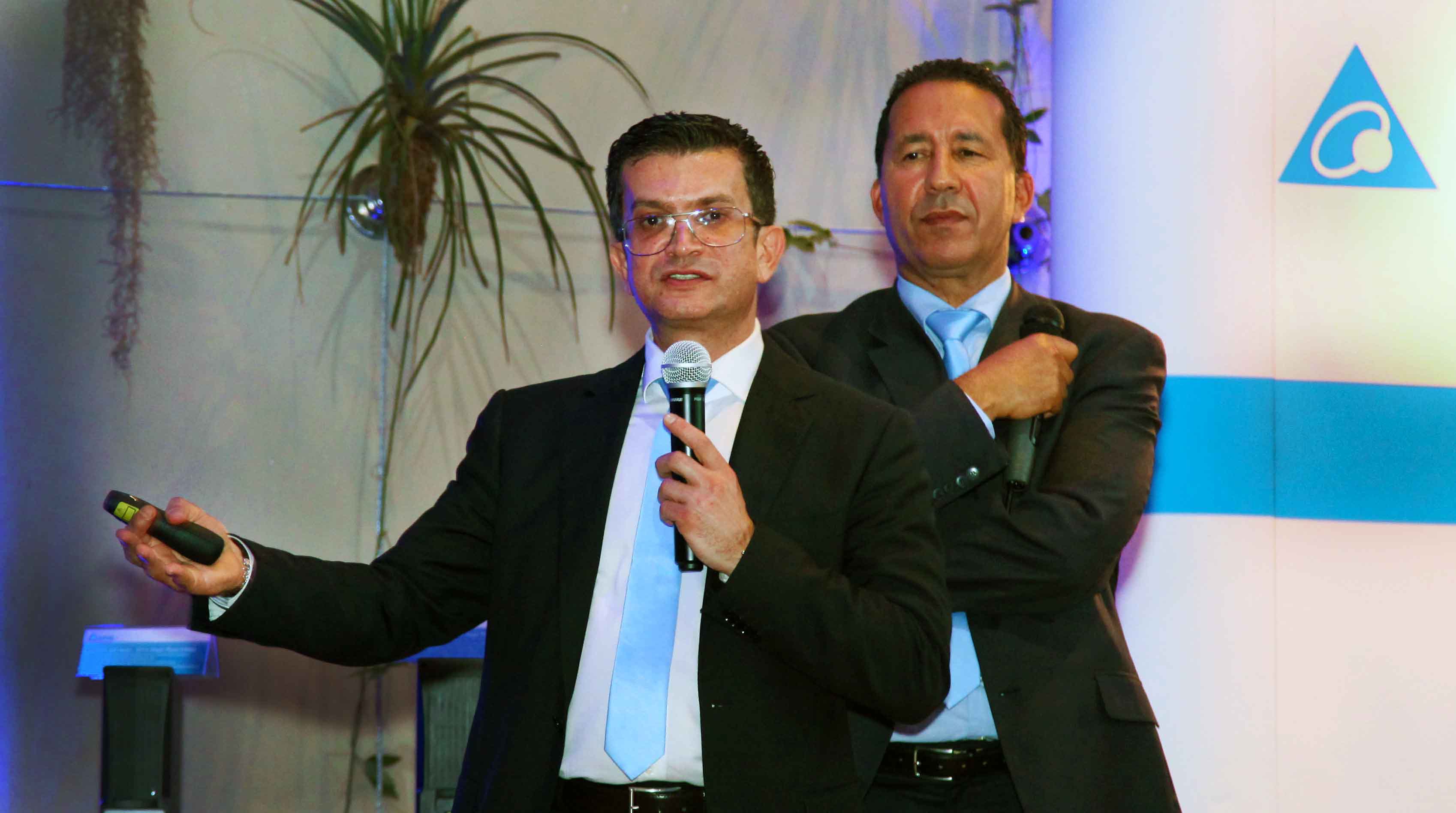
The agreement is expected to create synergies resulting from the integration of Delta’s state-of-the-art UPS systems and Redington Gulf’s local market expertise.
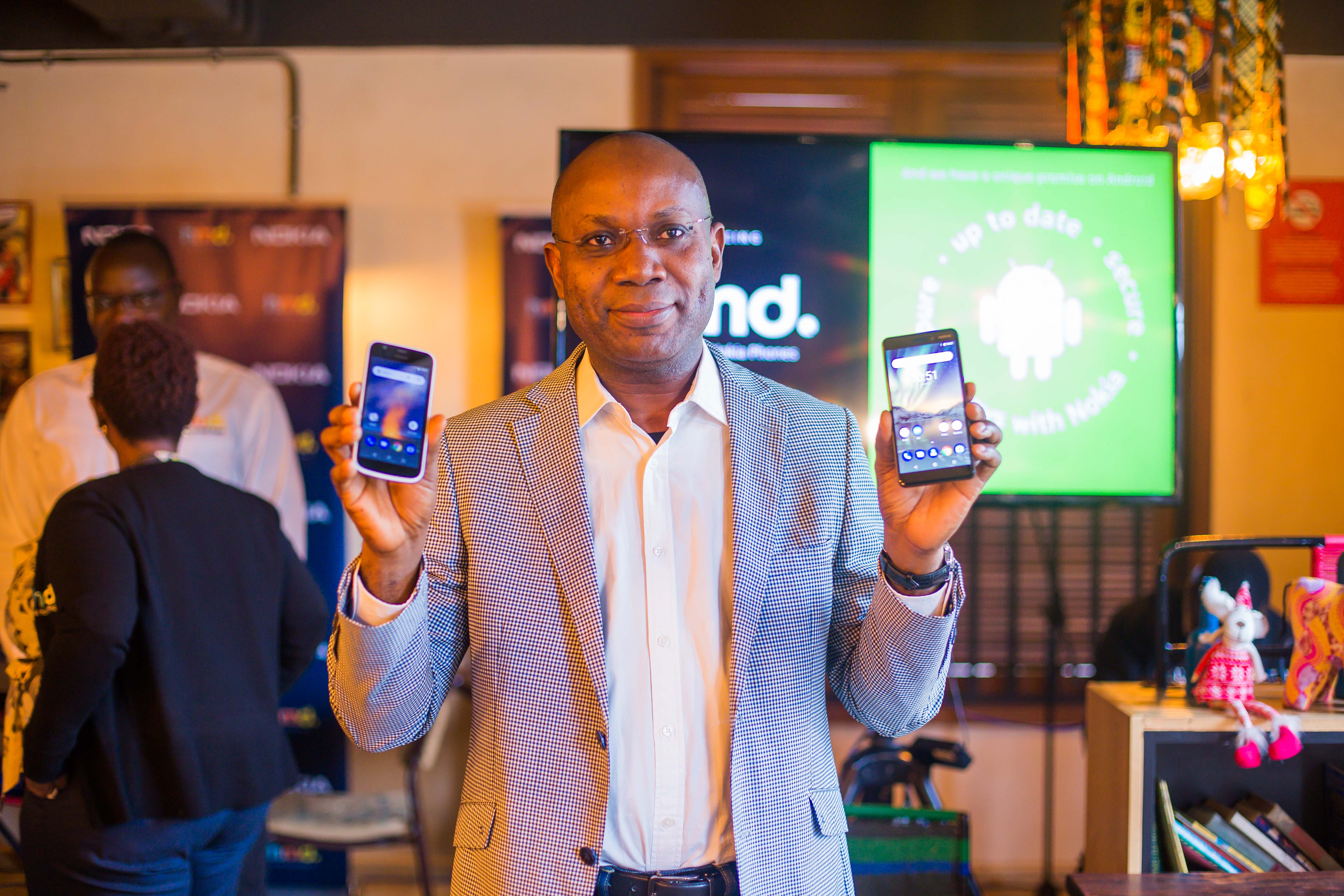
HMD Global, new owners of Nokia brands, has announced three new additions to the Nokia smartphone portfolio, the Nokia 1, Nokia 6 and Nokia 7 plus which will roll out in Kenya starting this month.
Alongside HMD’s big bet on reviving the legendary brand with a new wave of handsets, the Finnish phone maker says that it is focusing on expanding their product range and deepening its retail presence across Africa.
The company, once a dominant player in the global market began to see a downfall sometime back around 2012 due to its slow response to changing trends in the mobile market.
“We have sold 70 million devices globally. We are already reaching 80 countries directly,” Joseph Umunakwe, General Manager, West, East and Central Africa, HMD Global.
Umunakwe points out that there are more than 1.3 billion feature phone users around the world, many from markets in Asia and Africa.
“As the value market leader in feature phones, we understand the barriers and challenges people face when it comes to the step up to a smartphone which is why we’ve made our most accessible smartphone ever,” he adds.
In a move that seeks to regain market leadership, Gopher Ogembo the Senior Business Manager, East Africa at HMD in an exclusive interview says that they expect to be among the top three smartphone players and top feature phone players by 2021.
As part of the firm’s strategy, Gopher says that they are bringing devices from different price points to cater for the much wider customer base, “We are introducing different flagships and constantly learning from the past and continue to improve as we give it a lot more efficiency compared to the previous devices making it better for consumer experience.”
The company’s core strategy to remain competitive in the smartphone market is firming partnerships with the best in the market as they seek to capitalize on their comeback over the past year sales, which he notes have been encouraging.
“We have had unique partnerships for product quality and durability with the best in the industry among them Nokia, Google, Zeiis – lens and imaging technology, Bharti Airtel – Telco provider, foxconn – manufacturer of Nokia devices and several partners including online retailers who help us bring new innovations to the devices,” he says.
“Part of our philosophy is about durability,” he reveals, stating that new smartphones are built from a single block of aluminum taking over 11 hours for every single device, which will take the users more than 10 years before they are replaced.
While he declined to comment on regional sales, Ogembo says that global sales recorded at 8 million smartphone units in 2017, closing the year with at least 1 per cent of the global market share.
According to Counterpoint Research – the mobile phone market tracker, Nokia phones sales increased during 2017 to become the world’s No. 1 seller of low-cost feature phones and came to the 11th place in smartphones after only entering the market last year. Nokia now ranks as the No. 6 mobile phone seller globally.
HMD’s strategy is to use distribution partnerships with 600 global top mobile operators and retailers in selected markets around the world to offer reliable, affordable products with the latest innovations.
All of Nokia Mobile’s smartphones are equipped with Stock Android based on Google’s Android One program. The program ensures that the phones will get the fastest software and security updates at regular intervals, it also comes with fewer pre-installed and much lighter apps on Android Oreo™ (Go edition), giving users’ two times more available storage out of the box compared with Android Nougat.
The smartphones come with no bloatware, skins, UI changes or unnecessary apps pre-loaded onto your phone, giving users a pure Android experience.
SPECIFICATIONS
Nokia 1
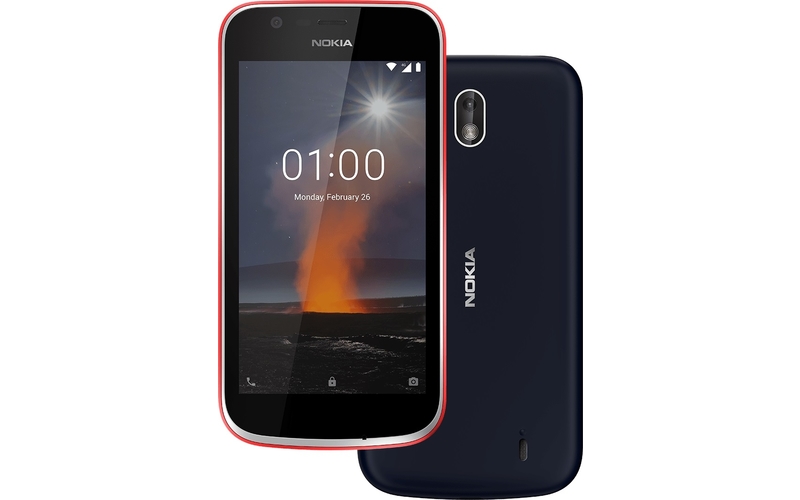
The Nokia 1 smartphone comes with the latest Android Oreo (Go edition) software with a new range of apps from Google designed to run faster while consuming fewer data.
The Android Oreo offers a smooth and responsive experience while making sure the device gets the latest security updates and features, including Google Play Protect, which continuously works to keep users’ device, data and apps safe. The device comes packaged with a quad-core processor, front and rear cameras, 4G connectivity and dual SIM.
The Nokia 1 will be available in retail stores in Warm Red and Dark Blue color across the country at an estimated price of USD 95 (KES 9,500.00.)
Nokia 7 plus
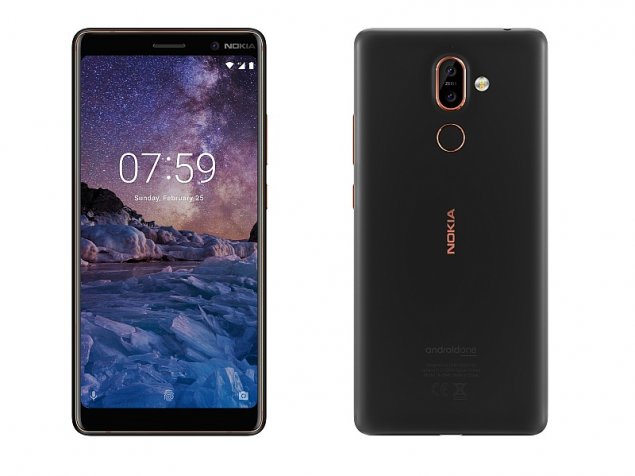
The Nokia 7 plus combines innovative imaging capabilities and powerful performance for up to two days with one charge.
The device comes with enhanced Dual-Sight, highly sensitive ZEISS optics and Pro Camera mode, the Nokia 7 plus capture images that are true to life, no matter the lighting.
Selected by Google to join the Android One family, the Nokia 7 plus offers a pure, secure and up to date Android experience.
It brings a great tactile feel and is comfortable to hold while elegantly hiding antenna lines. Precision machined from a single block of 6000 series aluminum, the Nokia 7 plus comes with anodised edges, contrasting with the body to add a stylish two-tone touch.
With 4GB of RAM, it is fast enough to take on those of us always doing two things at once. The high-contrast polarised screen delivers an outstanding viewing experience even in the brightest of conditions, so you can enjoy your favourite content wherever you are, the Nokia 7 plus delivers an amazing 2-day battery life.
One of its intuitive features is the optical hardware and imaging algorithms, spotting dual rear sensors with ZEISS optics combine an ultra-sensitive 12MP wide-angle primary camera for impressive performance in both low-light and extra bright conditions and a secondary 13MP sensor that delivers 2x optical zoom for the moments when you wish you were closer.
Available in Black/Copper the Nokia 7 plus is available for purchase from retail outlets across Kenya for USD 460 (KES 46,000.00.)
Nokia 6

Building on the success of its predecessor, the new Nokia 6 packs even more powerful and new features into a more compact, durable body, which, according to the maker is over 60 per cent faster than its award-winning predecessor.
In addition, it offers enhanced Dual-Sight, ZEISS optics, USB-C fast-charging, Nokia spatial audio and pure, secure and up-to-date Android Oreo, the new Nokia 6 has been selected by Google to join the Android One family.
Taking the original’s precision artisanship to the next level, the new Nokia 6 combines a unibody, made from a solid block of 6000 series aluminum, with an 11-hour two-tone anodising and polishing process.
And by uniting a sculpted 2.5D display with damage-resistant Glass, the new Nokia 6’s compact and refined body is designed to stay beautiful for longer. The device is available in Black/Copper for USD 290 (KES 29,000.00.)

By Tullah Stephen
While Africa prides itself in achieving mobile-first status, the prestige has brought with it a peril that is fast hurting her people. The rise of mobile malware attacks targeting mobile phones has increased unabated. Malware, is any form of malicious software written with the intent of doing harm to data, devices or to people. Initially, they were designed to only target mobile desktops, laptops and servers but things have since changed.
A recent study on the impact of mobile attacks in enterprise environments carried by Check Point a global cyber security, revealed that enterprise mobility was found to be susceptible to attack on both major mobile platforms, android and iOS.
Out of 850 organizations worldwide surveyed by Check Point, 51 per cent in the EMEA had experienced at least one mobile attack in the last year with an average being 54 per company. A research by Serianu an IT service and business consulting firm in 2016, ranked the sectors most vulnerable to cybercrime on the continent placing Finance and government at the top. Technology firms, telcos and manufacturing sectors were also key targets for attackers.

Ryan McGee, Mobility Sales leader at Check Point
“The explosion of mobile devices, remote workers and Bring Your Own Device (BYOD) has been among the reasons we are seeing an increase of malware attacks on mobile,” says Ryan McGee, Mobility Sales leader at Check Point. Attackers are exploiting the weaker security controls in less developed nations. Attackers McGee explains, have realized that it is easier to target mobile phones than corporate networks.
A report by global digital agency We Are Social and Hootsuite, reported that Africa currently has over 4 billion people using the internet growing by 20 per cent in 2017. Affordable mobile technologies and devices have also contributed largely to the growth of internet users.
Mobile devices have increasingly become assimilated into the business environment through BYOD, CYOD methods. Employees are choosing to use their phones to access work emails or undertake other sensitive information. They are also downloading apps sold on third party platforms that in most cases are infected with malware. Some of these devices are not managed by security measure such as enterprise mobility management (EMM) platform of any mobile threat management platform. Such platforms have been known to restrict some of the liberal authorizations and user settings on BYOD devices.
“Attackers are using network based attacks such as hoaxed Wi-Fi, malicious management profiles to phish data as well as attacks on mobile operating system. They are focusing efforts on malware that can also disable security services and infect machines in order to be easily exploited.”
Some of the common sources are from malware-infected app downloaded from third party stores. Other sources include; man-in-the middle attacks over Wi-Fi where a malicious actor intercepts, sends and receives data meant for another person without either of the parties knowing. Operating System exploits and malicious links sent over SMS have also been common types of attacks on users.
With increasing risks, McGee says the solution is not prohibiting the use of Mobile IT to prevent attacks. EMM is the foundation of threat mitigation without which employees will be exposed to smartphone attacks. “There are demonstrated advantages that corporates can get from mobile users accessing their devices to access information where and when they need it. Therefore a growing need to ensure it is done in a safe environment.”
There are a number of solution providers who are offering products that corporates can use to protect their employees and their devices. Check Point, for example is rolling out a product dubbed SandBlast which the company says identifies malwares and actively blocks it with minimal impact on user delivery times. SandBlast Mobile adds a critical security layer that can be used to dynamically change access privileges to reflect risk levels and transform static management policies into dynamic mobile threat prevention. The product currently rolled out in two packages; corporate and personal offerings. Pricing can be per device or on user bases depending on what customers prefers.
McGee says the challenge in combating cybercrime in Africa in generally a lack of understanding on what cybercrime is. In addition to the ignorance, criminals have taken advantage of the weak legislative environment. However there has been a growing awareness with corporate and government acknowledging the impacts malware attacks and the need for effective response.
Brian Yatich
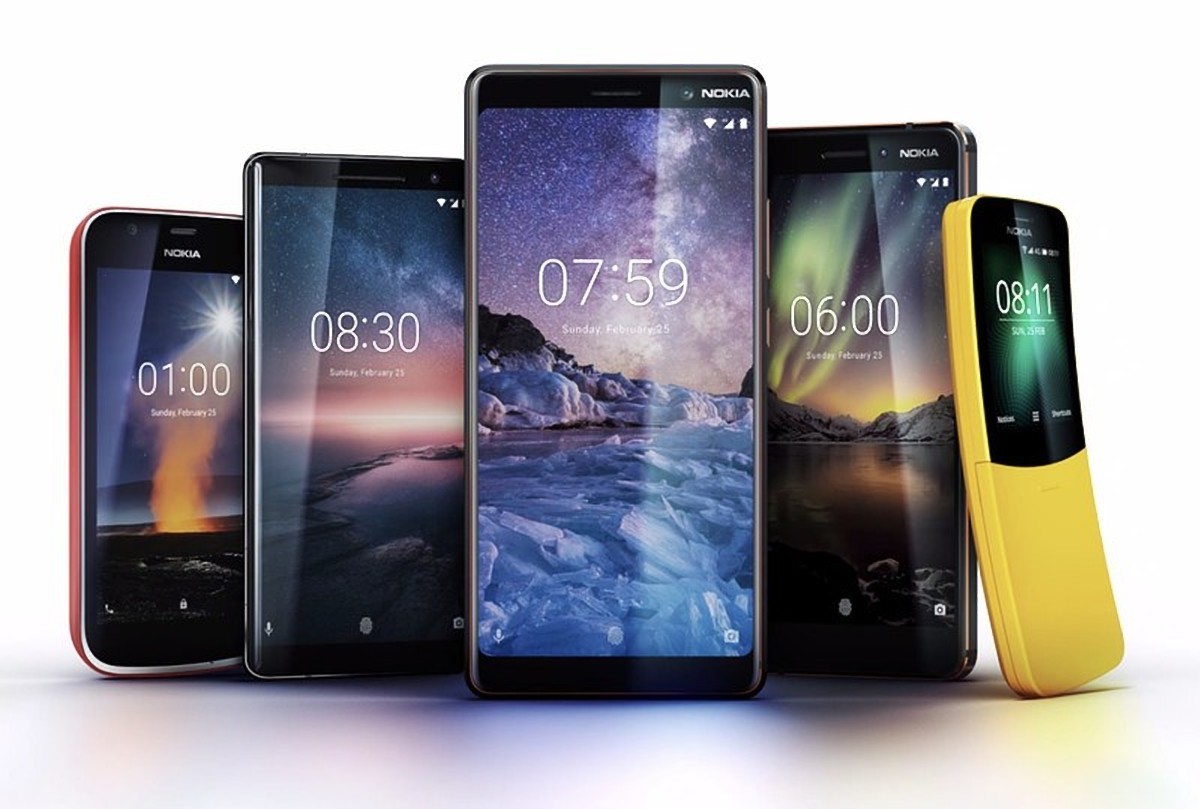
HMD Global, the home of Nokia phones, has announced five new additions to its portfolio of Android smartphones – Nokia 8 Sirocco, Nokia 7 Plus, new Nokia 6 and Nokia 1.
These new devices comes after the phone company, according to analyst firm Counterpoint, sold total of 16.3 million phones between July and September of 2017. From this figure, 2.8 million were smartphone sales and 13.5 million were feature phone sales.
The five new devices, according to the phone maker, promises a pure, smart, secure and up-to-date Android experience.
The Global phone maker also announced it is set to become the first global partner to have a full suite of devices selected into the Android One programme by Google, seeking to deliver a pure, secure and up-to-date Android experience has ensured Nokia smartphones were a natural fit for the global programme.
In a statement, the Executive Vice President & Chief Marketing Officer of HMD Global Pekka Rantala said that smartphones are an everyday partner and something people need to know they can rely on.
“Last year we promised that we would deliver on all the hallmarks of a true Nokia phone experience and that we would live up to the trust people have in the Nokia brand. This year, we are delighted to join the Android One programme that reinforces our commitment to pure, secure and up-to-date Android and makes us a natural choice,” He added.
Specs
With a pure Android installation, the Nokia smartphones come with no UI changes or hidden processes that would eat up battery life or slow them down so you can enjoy your new phone for longer.
Nokia 8 Sirocco

Inspired by the rich design heritage of Nokia phones, the Nokia 8 Sirocco’s elegant design and compact style is the ideal blend of precise crafts-man ship and purposeful innovation.
The device delivers storytelling features including enhanced Dual-Sight, ZEISS optics and carefully tuned acoustics with Nokia spatial audio, the Nokia 8 Sirocco is an ultra-compact powerhouse, and our most beautiful smartphone to date.
Its curved glass finish envelops a precision-crafted stainless-steel frame to deliver a fusion of strength and beauty.
Its stainless steel frame is 2.5 times stronger than 6000 series aluminium, and its 3D Corning Gorilla Glass 5 is robust enough to endure life’s everyday knocks. Luxuriously weighted and perfectly balanced, it feels more secure in your hand thanks to the improved grip given by the dual diamond-polished stainless steel frame.
The device allows users to capture every detail thanks to the Nokia 8 Sirocco’s dual rear sensors with ZEISS optics that combine an ultra-sensitive, wide angle primary camera for impressive low-light performance and a secondary 13MP sensor with 2x optical zoom.
Nokia 7 Plus
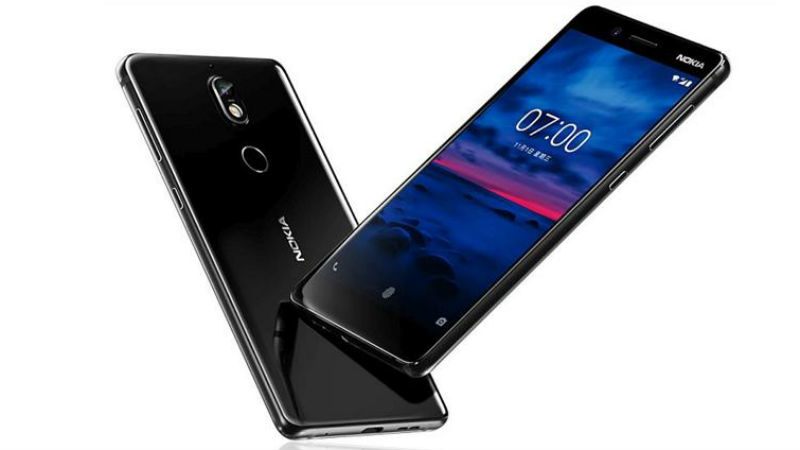
Made for creators to deliver stunning content, the Nokia 7 Plus combines innovative optical hardware and imaging algorithms that captures moments into photos.
The device is enhanced Dual-Sight, dual rear sensors with ZEISS optics combined with an ultra-sensitive 12MP wide-angle primary camera for excellent performance in both low-light and it also has an extra secondary 13MP camera that delivers 2x optical zoom for the moments when you wish you were closer.
The Nokia 7 Plus is backed by powerful Qualcomm Snapdragon™ 660 Mobile Platform to enable users to capture and enjoy more content for longer.
With its gently curved back and slim edges, it comes with a big-screen experience in a comfortable, neat package with a vivid 6-inch 18:9 Full HD+ display, making the Nokia 7 Plus perfect for browsing, social media consumption, gaming and entertainment with more content in the same width as a traditional 5.5-inch display device.
Available in a choice of two colour blends, Black/Copper and White/Copper, the Nokia 7 Plus will go on sale from early April.
The New Nokia 6
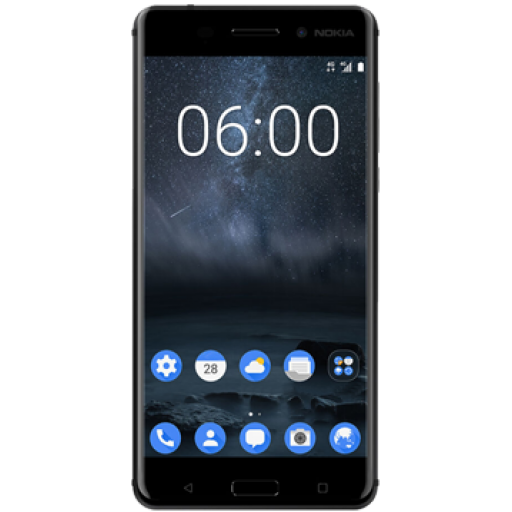
Building on the success of its predecessor, the New Nokia 6 packs an enhanced Dual-Sight, ZEISS optics, USB-C fast charging, offering a more compact screen-to-body ratio, Nokia spatial audio and pure, secure and up-to-date Android Oreo.
The New Nokia 6 takes the original’s precision quality to the next level by combining a body, made from a solid block of 6000 series aluminium, with an 11-hour two-tone anodising and polishing process.
The device unites a sculpted 2.5D display with damage-resistant Corning® Gorilla® Glass with a compact and refined body built to last.
The Nokia 6 is available in three slick colour blends ranging from Black/Copper, White/Iron and Blue/Gold, as well as two configurations of 3GB RAM/32GB ROM.
Nokia 1
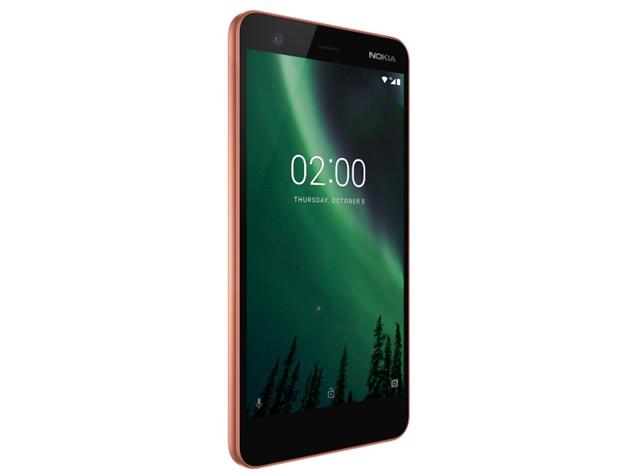
The Nokia 1 is a breakthrough in accessible technology, delivering smartphone essentials with the reassuring quality you expect of a Nokia phone and a refreshingly familiar design to fans around the world.
The device comes with Android Oreo™ (Go edition), a version of Android optimized for devices with 1GB RAM or less.
Featuring the iconic ‘Nokia smile’ in a fresh new package, the Nokia 1 is designed to be smooth and responsive while highlighting apps that are optimised for Android Oreo™ (Go edition).
Nokia 8110 – Reloaded

Nokia is keen on re-inventing the old with the launch of Nokia 8110.
The device comes with a 4G network spectrum, delivering crystal-clear VoLTE calling and is complete with the iconic curved slider design.
With a familiar and easy to use interface, the Nokia 8110 features an intuitive tactile mechanics, with slide to answer and end calls, as well as an addictive helicopter style spin on its axis.
Nokia 8110 comes with the quality you expect from a Nokia phone, delivering durability and reliability as standard.
With access to an app store, for favourites like Google Assistant, Google Search, Google Maps, Facebook and Twitter, send and receive emails or import your contacts and sync your calendar with Outlook and Gmail.
To keep it running flawlessly, the device features the Qualcomm® 205 Mobile Platform. And yes, it comes with a revamped version of Snake.
With two vibrant colours to choose from, Traditional Black and Banana Yellow, the Nokia 8110 will be available from May.
By Ben Oduor
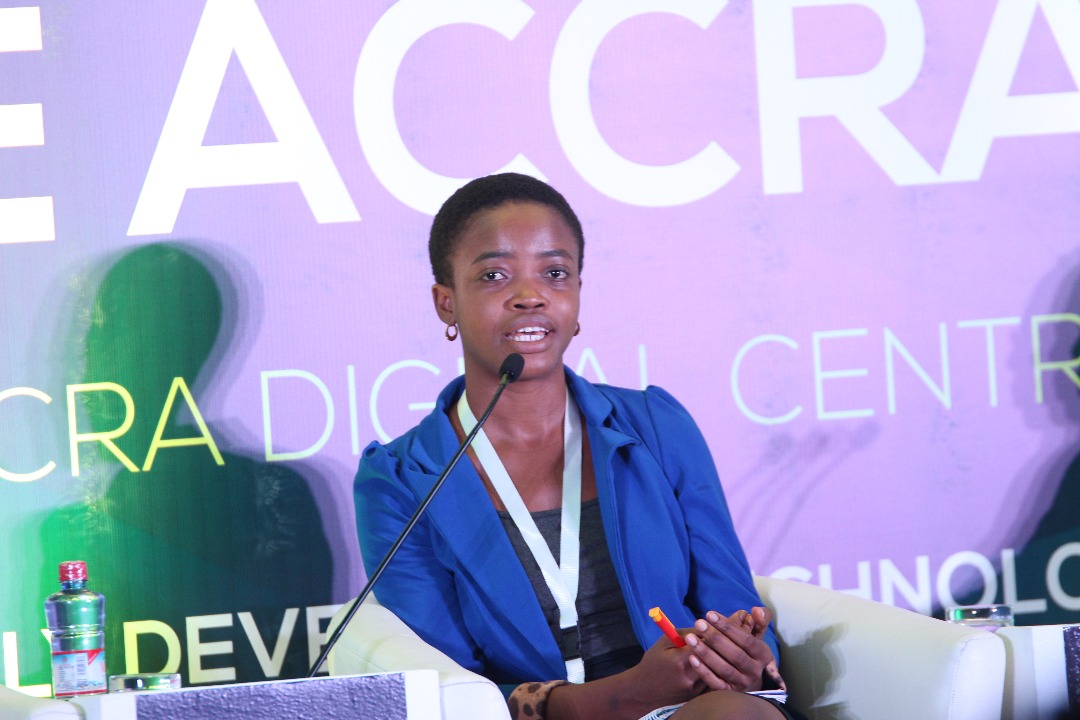
Ivy Barley is a Ghanaian lady who has refused to be pushed to a corner by the narrative that ladies are not cut out for Science, Technology, Engineering and Mathematics (STEM) related courses.
Not only has she graduated with a Bachelor’s Degree in Actuarial Science, but also has a Masters’ Degree in Mathematics and Statistics.
“Generally, society has the perception that STEM subjects are not meant for women. During my undergraduate studies, I was one of the few women in the class. Though a number of women have an interest in the subjects, they tend to be discouraged along the line and dropout,” she says.
A 2016 gender forum held in Nairobi by UN Women, the United Nation’s organization dedicated to gender equality and empowerment of women, found out that despite Kenya’s significant progress in achieving gender parity in education, women remained significantly underrepresented in STEM.
UN Women discovered that educational constraints, cultural norms and gender prejudices influence opportunities and choices. This severely reduces the number of women who enroll, complete studies and are employed in their field of expertise in the courses.
Barley nonetheless believes that with practical training, girls can be inspired into these subjects. In 2016, she worked at an all-girls pre-university where her role was to assist the girls with Mathematics, Statistics, Physics and Programming.
“The notion at the time was that female students hated coding. Rather, the girls were very enthusiastic about coding,” she says.
Even though she left the school months later, memories kept ringing in her mind that she needed to demystify the perception that women lack a place in STEM fields, hence had to focus more on the area.
Founding Developers in Vogue
She thus founded Developers in Vogue, an organization that creates a community of highly skilled female developers who are passionate about using technology to revolutionize Africa and beyond.
Through a team of professional trainers, Developers in Vogue has boot camps that offer an opportunity for young ladies registered with the organization to learn web development.
Boot camps have sessions that are a combination of on-site, online and group projects. And participants are expected to complete all course modules before graduating to the next stage of the programme.
The enterprise accepts applications from females of at least 16 years of age, who are able to bring a laptop for all on-site sessions and are willing to commit to completing all activities including participating in group work, submitting assignments and community service projects.
The applicants should also be willing to apply the skills learnt during sessions either through freelancing, working in or starting a tech firm, thereby continuing in developing the industry.
“At Developers in Vogue, one of the ways of solving this (apparently low female attitude to STEM) is making our curriculum very practical and project oriented so that ladies can apply what they are learning in real life.
“We also assign dedicated mentors to them to provide guidance and support. These we have realized to be very helpful to these ladies and have increased their interest in the disciplines,” Barley says.
On-site sessions of the programme include critical thinking, profiling of African techpreneurs and coding; these are supplemented by online activities via the enteprise’s online learning platform and tutor support.
Then there’s pair programming, where two ladies share a workstation. Barley says the activity increases code quality since there’s better diffusion of knowledge and skills, thus creates a learning environment where ladies can code, connect and elaborate.
After training, the social enterprise creates job opportunities for its applicants either through; freelancing, internships or full-time jobs, Barley affirms.
The impact
So far, she says they’ve trained more than 100 women and exposed them to opportunities in the technology space. They have also run digital skills training for 1,100 young ladies in six months.
To inspire innovation, the enterprise runs a ‘hackathon’ competition where leading innovators win a cash prize. At least six participants from the first cohort won the cash prize for building a waste management app. They were also given an office space and mentorship, and have started a business out of their idea, she says.
Also, the enterprise not only matches the ladies to jobs, but also creates a community of women who support each other. The community, branded sisterhood, includes beneficiaries who help each other with technical skills for development.
In cognizance of its relevance in society, the national government in Ghana gave the social enterprise an opportunity to use the Accra Digital Centre for free, a place where it now hosts its coding boot camps.
Mid 2017, Barley’s enterprise emerged top in the prestigious ‘E-Skills for Girls Competition,’ an initiative of the German government that aims at tackling the gender digital divide by increasing participation of women and girls in the digital economy.
She won the top prize, which includes 15,000 Euros (US$18423) cash, laptop, mentorship from Google and also the opportunity to meet German Chancellor, Angela Merkel.
“It was such a humbling experience for our team because at that time, we just had an idea and no track record!
With the 15,000 Euros grant, we used part of the funds to organize our first coding bootcamp for 20 females in Accra, Ghana of which 14 of them have been matched to jobs and projects. We have been bootsrapping since we started our social enterprise, as we want to be able to make very good of our resources in order to have a significant impact,” she says.
It’s apparent some experts, such as Mitzi Montoya, dean at College of Technology and Innovation in Arizona State University, agree with Barley’s concept of improving science education.
In a random question to professionals by The New York Times on any single change they’d make to improve science education in the U.S, Mitzi replied: “Well, actually, all education- it would be to center it around solving real problems and making things.
In other words, we ought to be creating innovators and inventors at our engineering schools. They need to be able to do something more than solve theoretical problems when they leave us.
Imagine the difference in learning between an engineering student who theoretically designed an elevator with wonderful calculations for a great grade versus one who actually built an elevator by iterating through various challenges connecting principles and formulas to reality….Theoretical paper-and-pencil exercises are not enough.”
To the Ghanaian youth, her concept must spread all over Africa, changing perceptions and creating positive attitudes in women.
“This is impact; and the kind of stories we want to tell in Africa: the stories of bold African women who are taking the lead in unconventional fields,” says Barley, who was named one of 50 Most Influential Young Ghanaians in 2017.

Online classified company OLX has launched a new app and upgraded its website to provide its users an easier, faster, safer, and more local way of buying and selling used goods.
The change which is part of the firm’s global move to solidify its leading position includes upgrading of its security features to give users the most secure experience when trading through OLX.
Both buyers and sellers will need to register/login on the platform with verification happening either via mobile phone or through Facebook. Users will now have a profile, be able to see who they are talking to, and through Facebook verification, will be able to see if they have any mutual friends in common. This new layer of security will help to further prevent potential scammers and fraud for OLX users.
“This is our biggest update to date to the platform.We have improved every aspect of the OLX user experience, reaching a level of innovation that we are incredibly proud of,” said Sjoerd Nikkelen, OLX’s chief executive Africa and Middle East
Further more, OLX has changed the way its products are displayed to users. The listings now appear in an intuitive newsfeed-style layout, similar to social media platforms.
By using a device’s built-in GPS, the geolocation system will look at where a user is and which offers are available in their area. The search area expands as users scroll through the listings. All the regular search functions, such as category and product filtering, will still be available.
”This new platform will ensure better quality ads for buyers, which is an important differentiator between OLX and its competitors. It is supported by a large team of moderators who check thousands of ads on a daily basis. OLX also uses a sophisticated algorithm that is able to pick up controversial or potential scam ads,” added Nikkelen
In February this year, OLX announced closure of its Kenya and Nigeria offices in a restructuring plan meant to cut operation costs amid stiff competition.
The firm however indicated that it will continue to operate in Kenya and Nigeria and pledged to focus on innovation to remain relevant to its users
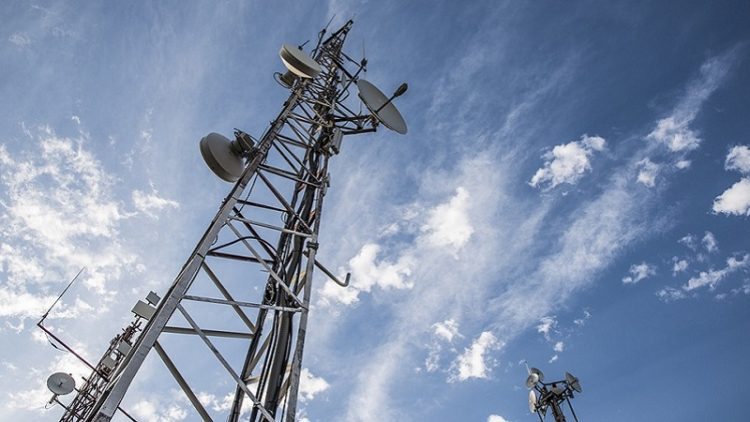
Jamii Telecom takes on communication giants for a share of Kenya’s multi-billion broadband market, a move that could potentially put an end to the “monopoly” that has been a concern among many consumers.
By Brian Yatich
The Kenyan telecommunication industry has for a while been in a lull as market leader decimates its competitors on customer and profitability numbers. But the waters are set to be stirred with the entry of Jamii Telecom (JTL).
Popularly known as Faiba, JTL is now charting a new path in the country’s telco arena becoming the fourth mobile network operator (MNO). The new player comes bearing rich service as it rolls out Faiba 4G; a Voice over Long-Term Evolution (VoLTE) Simcard with a 700 MHz spectrum, an amenity considered a rare band to find on most smartphones.
This initiative makes the firm one of the first in Kenya, bringing faster, better voice calls and even video chat tied to your cell phone service and number.
The LTE interface is more efficient at carrying calls relative to traditional calls: it can support up to twice as many voice users in a given bandwidth (per megahertz) cutting costs for data and one for voice.
“We will have a heavy focus on affordable data. Voice is data to us. Within our network, you will call free and the quality we have is in High Definition (HD). The catch is that you have to have a valid bundle,” said JTL boss Joshua Chepkwony said during its launch.
As digital services for consumers “on-the-go” are reaching an all-time high, the entry of JTL is certainly timely to level the playing field especially when dominant players like Safaricom and Airtel have already taken over the Data market.
According to reports from Communications Authority of Kenya (CAK), Safaricom Ltd had emerged the biggest gainer in the country’s mobile phone market holding about 71 per cent shares in late 2017, thumping both Airtel and Telkom Kenya claiming a larger share of both pre-paid and post-paid services as well as the highest number of mobile subscriptions.
The total number of mobile subscribers in Kenya at the end of 2016 was 37.49 million, resulting in a penetration rate of approximately 80 percent. Total mobile subscribers in the country have risen from 7.27 million at the end of 2006 to a forecast 39.48 million at the end of 2017.
The new provider comes at a time when the CA has been championing for shared infrastructure “The Single Wholesale Network (SWN)” a move that seeks to increase competition and widen the playing field for the local telecommunications market.
Under the framework, the government would provide spectrum and private companies would roll out and operate the wholesale network. However according to GSMA report, the SWN push in Kenya has stalled, sighting complicated negotiation process with a number of stakeholders.
Demand for Data
The focus on data has been a huge concern especially to service providers owing to the growing customer demand for lucrative mobile data as more and more consumers are moving into an era of multi-connected devices.
To this end, the chase for 4G internet speeds is changing the face of the country’s internet use, and smartphone usage is on the rise.
Late last year, Safaricom claimed it had some 1,400 4G sites providing coverage of a third of the country’s population, because of its investment in the high-speed network since its launch in December 2014. The 4G network is now available in all 47 counties, and now has a million subscribers.
Approximately 224 of these sites use the enhanced 4G+ technology, allowing customers to achieve speeds in excess of 150 Megabits per second on data-enabled devices. Safaricom has been offering 4G service since 2014.
Safaricom has been increasing its investments in fibre, and has set-up a home department. In November 2017, it had passed 90,000 homes and connected 28,000 in 20 neighbourhoods.
On the other hand, Telkom Kenya has announced that it has expanded its 4G network up from nine towns to 28 towns as the firm has invested Sh.5billion in upgrading and densifying its network. The firm has already unveiled affordable data plans that seeks to champion the use of the new 4G network.
The technological and infrastructural environment is expected to become more conducive to higher penetration rates of mobile coverage and better internet access.
Continued progress in the development of the telecom sector will need further government action on restructuring the industry.
A look at JTL’s pricing signals competitive times ahead: 1GB data bundles will be retailing at cost Sh50 (valid for one day), a 70GB will go for Sh3, 000 (valid for a month) and further 210 GB at Sh6, 000 for a month as well tumbling the other providers with the said provisions in data.
Safaricom on the other hand offers 150MB for Sh50 (valid for a day), 1GB for Sh500 (valid for a month) and 12GB at Sh3,000 (valid for a month).
Airtel’s 1GB 24-hour data bundle costs subscribers Sh99, 6GB costs Sh1,000 (valid for a month) and 24GB goes for Sh3,000 (valid for a month).
JTL says it has collaborated with Phone Express for distribution while talks are ongoing with other retailers Kenyans in Nairobi, Mombasa, Eldoret and their environs will be able to get the 0747 lines as the firm works on rolling out its services nationwide.
The data network by JTL carries the promise of a new technology which allows more efficient use of bandwidth; giving operators the option of bringing features such as high-definition voice and video chat to VoLTE-equipped devices and networks.
This, in turn has the potential to lead to breakthroughs and eventually boost the sector’s maturity in the telco market. Furthermore, it will be lead to progressive growth on the mobile money subsector, which will see the rise and growing uptake of smartphones, which is set to drive future growth.
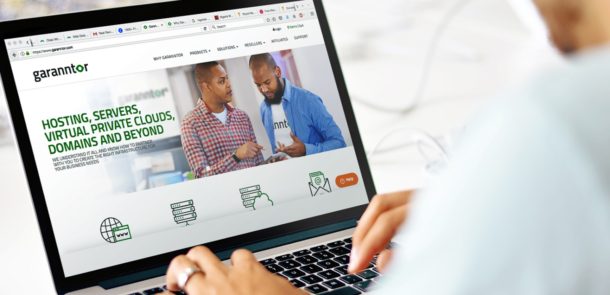
Hosting and infrastructure-as-a-service company, Garanntor, is the latest entrant into Kenya’s cloud service market.
The International firm which began operations in 2016, is currently on an expansion plan that has seen the organization expand its services to USA, Nigeria, Ghana, South Africa and now Kenya.
“As part of our business vision to be the largest Hosting and Infrastructure-as-a Service Company in Africa, it’s only right from a strategic perspective to enter the Eastern African market via Kenya. This is because Kenya is the most developed technological market in the region and has the highest internet penetration rate in East Africa,” explained Garanntor CEO, Olalekan Ajayi.
The company which has invested millions of shillings in infrastructure and local operating costs in the country, has entered the market with competitive pricing with web hosting plans being offered for as low as Kshs. 55 per month, Virtual Private Server ( VPS) Hosting plans beginning at Kshs. 935 per month and domains registrations as low as Kshs. 800 per annum.
“We realized as a company that SMBs and entrepreneurs do not have the budget to invest in elaborate and expensive technological infrastructure. We are therefore giving small business owners the chance to adopt emerging advanced technologies without having to make numerous costly purchases, ultimately allowing these small businesses to be more effective and agile in the marketplace and are able to compete with larger companies with larger budgets,” said Mr. Ajayi.
He further explains that the company has also tailor-made products for large businesses that require the latest and most efficient technology which are highly secure.
“Privacy and security is a huge issue in the world right now. In 2017 the tech world had some major hacks and breaches. This is why we have our teams working round the clock with multiple layers of security to ensure the safety and security of the data entrusted to us by our clients,” adds Mr. Ajayi.
Garanntor announced the acquisition of Bytes Hosting, In September 2017, a timeline less than year after commencing operations. The acquisition further asserted Garanntor’s goal of becoming the largest Hosting and Infrastructure-as-a Service Company in Africa.
In 2017, Garanntor was named the winner in the Best Local Hosting Company category at the Nigerian Internet Registration Association (NIRA) awards.

It has taken only a few years for ride-hailing services like Uber, Taxify, and Littlecab to make urban journeys more convenient, much to the delight of city dwellers Kenya.
As innovation brings self-driving cars, electric vehicles, in-vehicle data connectivity, mechanisms for sharing rides and vehicles, and other technologies to more people, getting around cities is bound to become easier, faster and safer.
Such improvements could help cut the costs of traffic congestion, road accidents and air pollution (health problems like respiratory ailments). McKinsey and Bloomberg New Energy Finance have estimated that in 50 metropolitan areas worldwide, a rapid transition to advanced mobility systems could yield USD600 million in societal benefits through 2030.
The shift to next-generation mobility systems, however, will not be easy for big cities in Kenya to manage. There is no telling how quickly advances will take place or what the transition will look like.
In Kenya, more people use shared public transportation like matatus than ride-hailing apps, and the more likely they are to also use public transit.
However, if too many urbanites begin to depend on private vehicles, even shared ones, traffic could get worse and public transit systems might be starved of the revenues they need for maintenance and upgrades.
These complex dynamics put municipal authorities in a bind. Some have chosen a wait-and-see approach, opting to watch mobility trends and develop policy responses as needed as trends play out.
This approach has merit, given how difficult it is to predict the behaviors of traditional transport businesses, advanced mobility services, and city residents.
Nevertheless, officials might do better to envision what mobility ought to look like 5 to 15 years from now and devise policies to bring about that future sooner than it might otherwise arrive.
Doing so will allow policymakers to play a more proactive role in shaping what that future looks like. Officials who hope to maximize the benefits of advanced mobility might think about several core strategies.
One strategy is how to tailor new mobility approaches to a city or region’s specific context and challenges. For example, it is likely that densely populated towns in developing economies, such as Nakuru, Eldoret and Nyeri, will gain from expanding their public transit systems and complementing them with ride-hailing services that rely on public vehicles.
Developing, dense, average-size cities could realize millions of shillings in annual societal benefits from mobility advances by 2030.
Four-fifths of these benefits would stem from reductions in traffic accidents, injuries, and fatalities – a great benefit for the people of these striving, fast-growing areas.
Government and private companies should try to get ideas that help reduce traffic jams, improve collection of road tolls, and opening up backhaul inventory to reduce the cost of public transport.
Recently, Sure Corporation’s Safiri Express came to the transport market to optimize transport efficiency and increase incomes by providing a safe, efficient and reliable mass transit platform assuring the security of movement for human capital for the working class.
Meanwhile, the Kenyan Government should think about having a higher-income metro system that combines public transit, car sharing, autonomous vehicles, smart infrastructure and more.
One way that cities can quicken the integration of mobility systems is to offer an app-based service for planning and paying for trips that use multiple modes of local transportation.
As major cities move forward, Government officials must consider what to do with land and roadways as people and vehicles move in different patterns. If more and more people are climbing in and out of shared vehicles at curbside, traffic could stall.
Designating zones for pickups and drop-offs might help ease the flow of vehicles. Such zones, as well as other, more valuable uses of urban land, could be carved out of parking spaces, which will be significantly less in demand as vehicles are used more efficiently.
Cities can also explore opportunities to improve transportation access and ensure that all of their inhabitants benefit from advances in mobility. Almost every city has districts that are poorly served by public transit, as well as groups, such as the elderly, who have difficulty using buses and matatus.
Providing low-cost, on-demand access to a variety of vehicles could improve access for these groups, while also allowing cities to retire low-usage public transit routes.
Advances in mobility will have major implications for cities and towns in Kenya.
Those that get a head start on developing integrated mobility plans will be better positioned to reap the benefits that new technologies will bring to their residents.
————–The Writer is Mbugua Njihia, the CEO, Sure Corporation Ltd————————-

As competition for Video on Demand heats up in the region, Pay TV services have to restructure their strategies as online streaming gains traction
By Brian Yatich
Less than three years ago, Video on Demand flocked the Global market with hours of Binge watching. Online platforms like Netflix and ShowMax became a force to reckon with, pushing the traditional Pay-TV decoders to the shelves.
However, despite these new players swiftly taking over the global market, their usage levels in East Africa remain low with mobile penetration at 85 per cent and internet penetration hovering around 26 per cent – well below the global average of 35 per cent.
More specifically, video on demand services has not gained much traction in the region. But with technology growing at an incredible speed, it is fast becoming an attractive market for media players.
Early this year, iflix, a subscription video on demand (VOD) service launched its operations in Kenya to exploit the wide video on demand market.
The Malaysian-based company joins a wave of online VOD players like Netflix and Shomax who had recently showed interest in the African market seeking to grab subscribers as broadband and mobile Internet becomes faster and cheaper.

Paul Coogan, Iflix Country Manager
“Iflix is doing an amazing job spearheading the entertainment revolution in the African Arena – users in the emerging market subscribers can log in to their app where they can have access to our catalog of content which is about 5,300 hours,” says Paul Coogan, iflix Kenya Country Manager.
Iflix offers consumers a 30-day free trial via iflix’s website, www.iflix.com, giving them unlimited access to thousands of the world’s TV shows, movies and more on every device they own, with no credit card required and no obligations.
“We just launched a few days ago and the uptake has been very encouraging. We currently have slightly over five million subscribers,” says Coogan.
Kenya’s mobile internet penetration, he adds, is among the highest in Africa at 88 percent with a high population owning a mobile phone while 58 percent have internet access.
The youth population is also growing immensely and smartphone penetration is almost married to it given data prices are going down.
“The smartphone market is growing at such a phenomenal rate that even in Africa it is expected that in the next three years there’s going to be 720 million smartphone users,” says Coogan.
The firm flaunts with over 160 studios with a lot of content streaming from big studios like Warner Brothers, Disney and Metro-Goldwyn-Mayer (MGM), one of Hollywood’s most acclaimed and prestigious studios as an investor in the business.
“So in addition to having western content, we also have a lot of original local content where we have a presence in each of the countries that we operate in.”
This, Coogan says, is a great opportunity for local producers to showcase their creative content in a move that seeks to support the local industry that comes from the region to other parts of the world.
“We know Kenyans love entertainment so we said let’s come up with a product that can actually compete against piracy. We have come to the market with a great unique selling proposition bringing that international, regional and local content mix.”
Challenges
“It goes without saying that piracy is the greatest challenge and we can’t blame them for that, people love content, so they go to the pirate market where they can get it because of lack of alternative,” says Coogan.
Iflix has succeeded by positioning itself as a low-cost alternative to piracy, which is rampant here in Africa.
“A lot of people especially here in Kenya spend a lot of money for a single movie. We have a product which is KSH. 260 and you can watch it on five different devices with access to over 5,000 hours of entertainment,” Coogan points out.
Iflix wants to give an alternative to that, where viewers can now get original content and pay legitimately and also product owners can benefit.
Another major challenge, Coogan notes, is that broadband access is still a major concern in Sub-Saharan Africa because of the huge internet costs as well as the absence of infrastructure and connectivity in different areas of the region.
“We have addressed this so far with features like offline access where users can select bandwidth capping for streaming and they can also download to view offline,” he adds.
According to Coogan, last year 6.2 billion dollars were spent by consumers on pirated content. Kenya loses 43 million shillings every month to piracy.
“This is a big blow to producers, where you come up with this idea which took you years to develop with a lot of costs to produce and then somebody sells it for KSH 50 and you don’t even get a percentage of money back,” he says.
“There is so much great content and ideas out there, they just not being given the chance, we want to support the producers by buying local content at a reasonable market fair value and give them an opportunity where they can get a return on that investment,” he says
Going forward
The firm is aiming to have over 1 billion subscribers in Africa given that the African data landscape is changing.
“Accessibility of data is becoming more possible, with hotspots; where you can get free internet, with fiber for homes, you know it is definitely changing and it will have that ripple effect to go to areas where it has not been,” says Coogan.
The firm, which had launched its operations in the international markets, is now available in 22 markets across the sub-Saharan Africa.
They plan to roll out in at least 30 countries this year as they expand to more markets.
“At the moment we are in more than 19 markets. We have plans in Uganda and South Sudan and also Zambia,” says Coogan.
Since its launch, the company has announced strategic partnerships with key leading communication operators throughout the region, including Zain and Kwese Tv in bid to leverage the rapid increase in internet-enabled devices and to address the growing demand for premium quality entertainment.
Besides Iflix, other new entries to Africa’s online TV market are Discover Digital, Netflix, ShowMax, Kwese, Amazon and Ericsson’s Nuvu.
The surge in online TV providers poses a threat to Pay TV providers like DSTV which has long been the dominant pay-tv provider on the continent.
“This is the future of entertainment, there is no doubt about it,” Concludes Paul Coogan.