
Artificial Intelligence (AI) continues to reshape the digital landscape, solidifying its role as a transformative enabler, enhancing task efficiency and empowering self-learners to rapidly and diversely absorb complex information.
Demonstrating strong conviction in the potential of AI, Mastercard has launched its whitepaper titled “Harnessing the Transformative Power of AI”, a Pan-African study exploring the continent’s readiness, opportunities, and roadmap for responsible AI adoption.
The whitepaper highlights the transformative power AI holds across key sectors such as agriculture, health, education, energy, and finance. Yet, to truly unlock this potential, AI must be deployed responsibly and inclusively. It must be guided by ethical frameworks and supported by meaningful infrastructure, robust policies, and local engagement.
According to Mark Elliott, Division President for Africa at Mastercard, the company envisions an AI future rooted in local realities, one that drives inclusive growth and expands access to opportunity. He emphasizes that for Africa to harness the full potential of AI during its current super cycle, investments must be made in infrastructure, data systems, talent pipelines, and classrooms. These investments, he notes, must be both intentional and sustainable.
The AI market in Africa is expected to grow from USD 4.5 billion in 2025 to USD 16.5 billion by 2030, according to a recent report by Statista. This sharp growth projection makes a compelling case for urgent, multi-stakeholder collaboration and forward-thinking investment.
Mastercard’s whitepaper explores AI’s potential to positively impact digital infrastructure, policy and governance, research and development, local language processing, and broader innovation across the continent. Africa’s unique demographics, mobile-first infrastructure, and entrepreneurial energy position it not just as a participant, but as a co-architect of the global AI future.
Greg Ulrich, Mastercard’s Chief AI and Data Officer, stressed the importance of trust in AI adoption. “AI is only as powerful as the trust behind it. At Mastercard, we are committed to building AI that is responsible, inclusive, and focused on delivering value to our customers, partners, and employees,” he said. “This isn’t just innovation, it’s innovation with integrity.”
Harnessing the full potential of AI, particularly in Africa, is expected to play a significant role in accelerating financial inclusion and driving digital and economic development. Mastercard’s whitepaper includes insights from leading African technologists, policymakers, academics, and entrepreneurs. It draws on interviews with organizations such as UNESCO, the African Center for Economic Transformation, and fintech leaders from across the region.
Ambassador Philip Thigo, Kenya’s Special Envoy on Technology, noted that the Kenyan government has already integrated AI in over 26 state departments as part of its broader digital transformation agenda.
He encouraged stronger collaboration between governments and private sector players in technology, emphasizing that partnerships should be clear, strategic, and focused on shared outcomes.
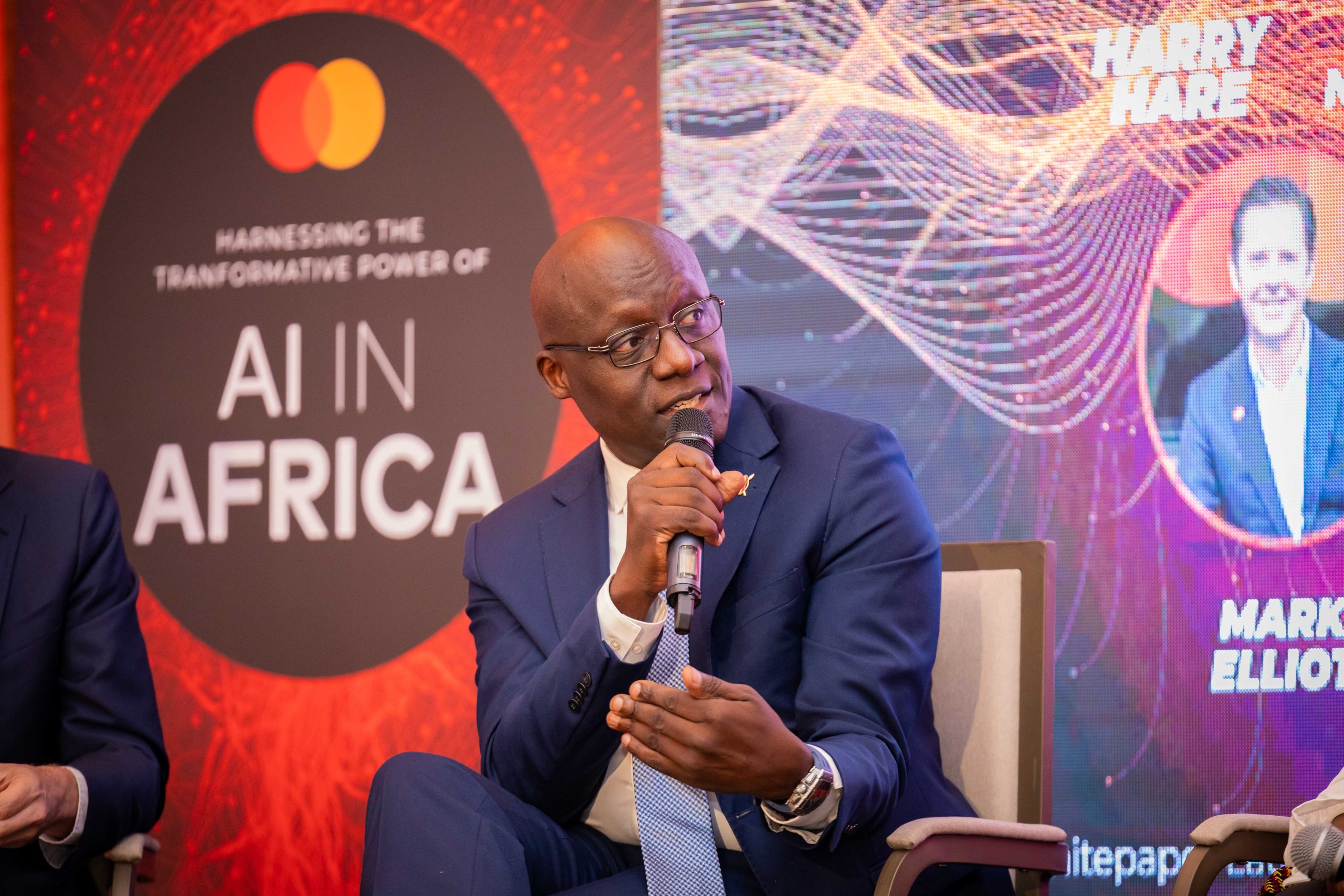
Ambassador Philip Thigo, Kenya’s Special Envoy on Technology
Ambassador Thigo also commended Mastercard for its consistent innovation and customer-focused solutions, particularly those tailored to meet diverse user preferences.
In a plenary session involving stakeholders from health, innovation, the private sector, and government, AI was framed not only as an enabler but also as an emerging utility.
Renowned innovator Tonee Ndungu highlighted AI’s decades-long presence, stating that while the concept has existed since the 1950s and 60s, recent developments have stirred new debates, largely because of the “artificial” aspect.
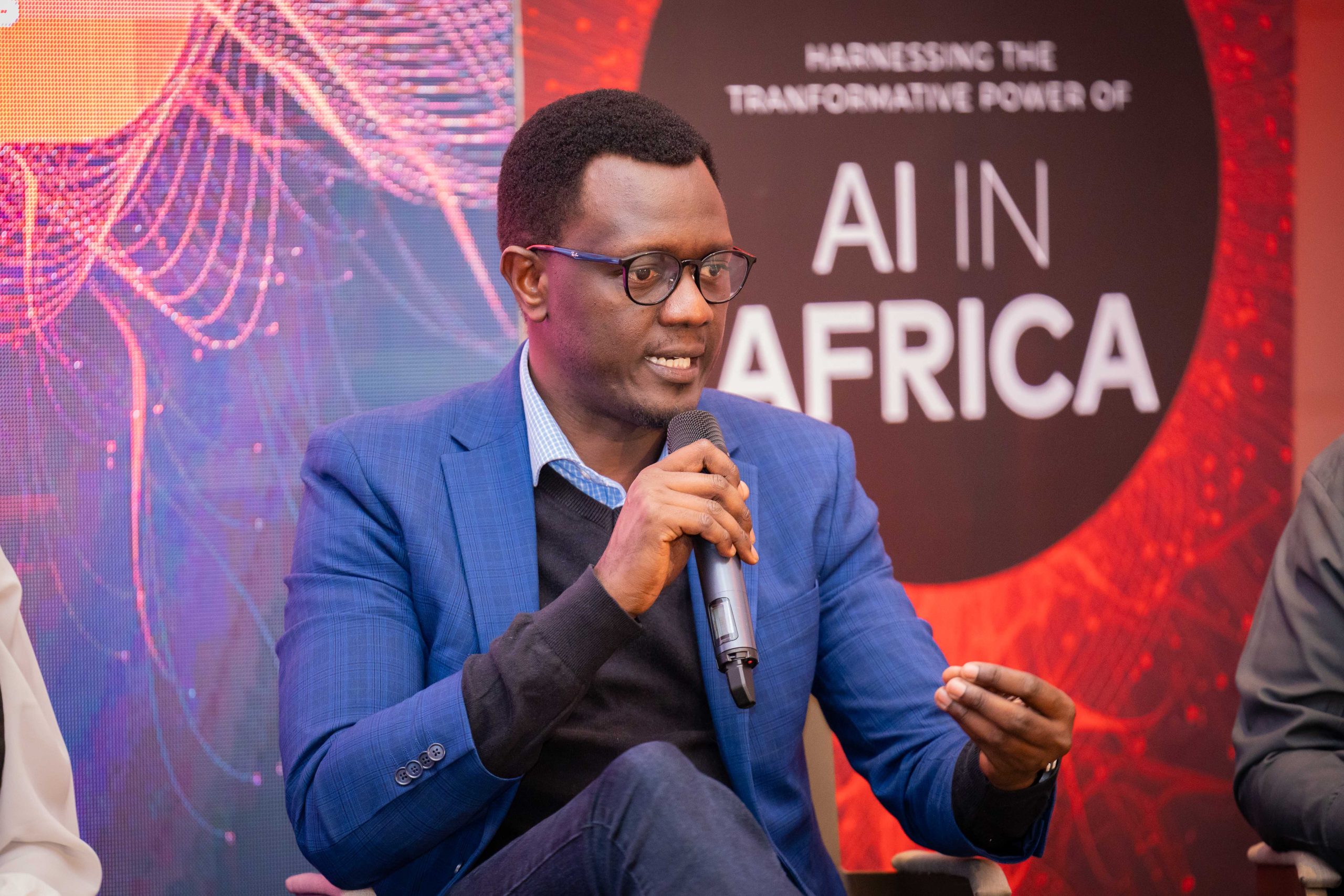
Renowned innovator Tonee Ndungu
“In the early days, few believed AI could become the utility it is today. Those who fail to keep pace may dismiss it as a bubble, but it’s not. Just like electricity, AI is becoming a utility, one with force,” he said.
Dr. Jean Kyula is the Country Manager for Kenya at Helium Health, shared how AI is revolutionizing healthcare, describing it as “more than an assistant, an answer.” She illustrated how AI allows medical professionals to diagnose conditions simply by analyzing a patient’s image and receiving symptom assessments or disease predictions.
“This is a real transformation, especially in a country like Kenya, where over 70% of specialists are concentrated in urban areas serving less than 30% of the population,” Dr. Kyula noted. “Those in rural and marginalized regions often lack access to quality care. AI is starting to change that.”
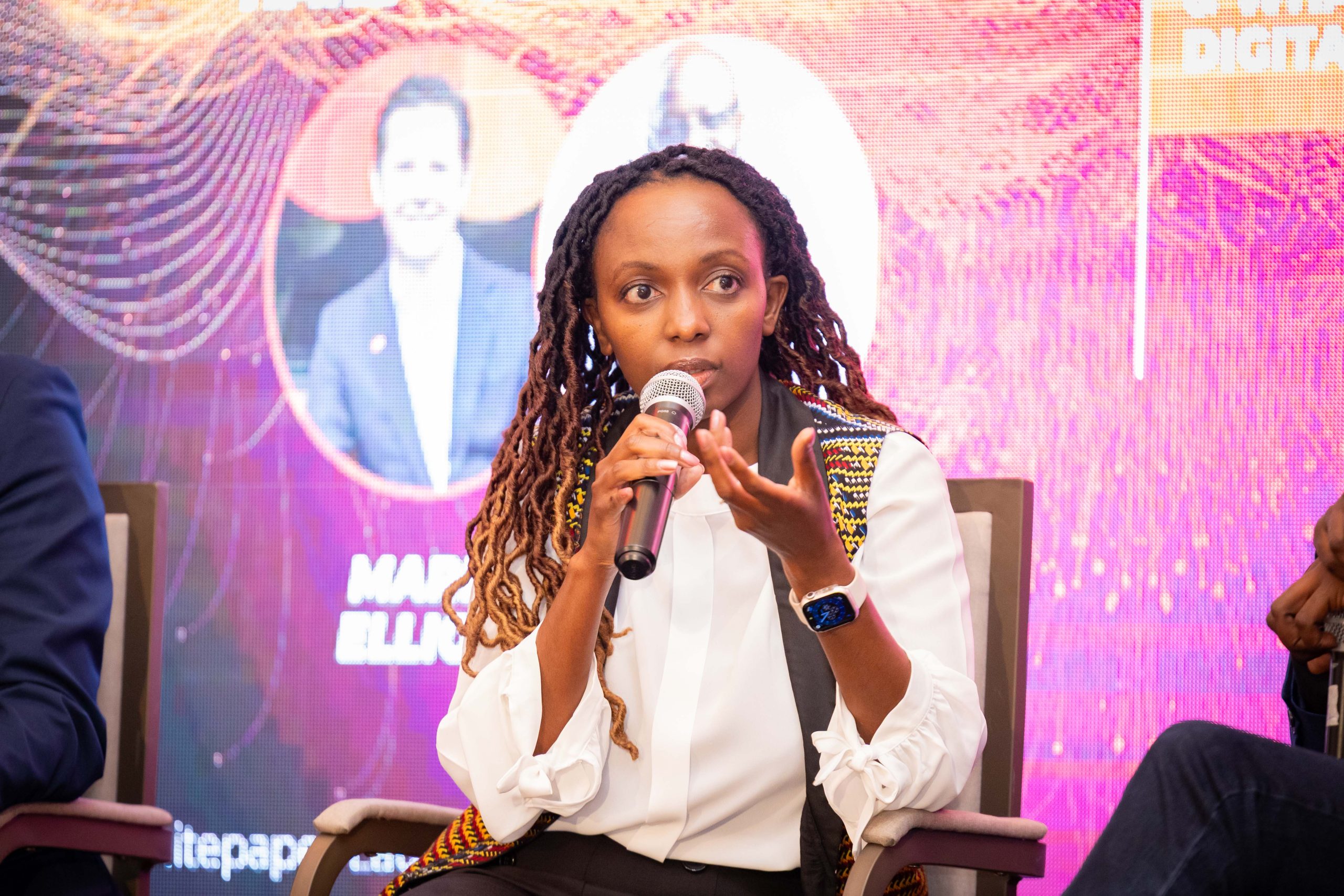
Dr. Jean Kyula is the Country Manager for Kenya at Helium Health
She emphasized the need for expanded public-private partnerships and capacity-building efforts to ensure that even remote communities can understand and benefit from AI technologies.
Addressing concerns about job displacement, experts at the discussion urged the public to view AI not as a threat but as an opportunity to enhance efficiency. They emphasized that the current AI super cycle should be seen as a tool for empowerment, encouraging especially young people to pursue self-learning, adopt new skill sets, and remain agile in the face of evolving technologies.
