The East African Business Times
  • Home
  • Business
    • Finance & Banking
    • Insurance
    • Entrepreneurship
    • Agribusiness
    • Technology
      • Cyber security
      • Mobile
    • Property & Real Estate
  • Special reports
    • East Africa
    • Awards & Recognition
    • Climate Change
    • Energy
    • Lifestyle & Entertainment
      • Health
      • Tourism
      • Sports
  • Opinion & Analysis
  • Media OutReach Newswire
Lapaire’s life changing strides in Africa’s eyecare industry
Editors choiceSpecial reports

Lapaire’s Life-Changing Strides In Africa’s Eyecare Industry

by Ndungu Brian November 25, 2022
written by Ndungu Brian

If Jerome Lapaire were to have a sit-down with most people almost five years ago to share his vision for Africa’s eyecare industry, many would have shrugged him off.

Few would have believed that a young man with very little optical health background would manage to literally shake an industry that was already dominated by big, well-resourced international and regional companies.

His vision was bold, ambitious but strategic- ‘to focus on reaching out to the local communities, the mass market that does not benefit from any health insurance.’

This population generally lacks awareness about eye problems and affordable eye care solutions. Therefore, Lapaire Group has had to do a lot of awareness campaigns to spread the word and partner with organizations able to support awareness creation.

Jerome Lapaire, Founder and CEO of Lapaire Group

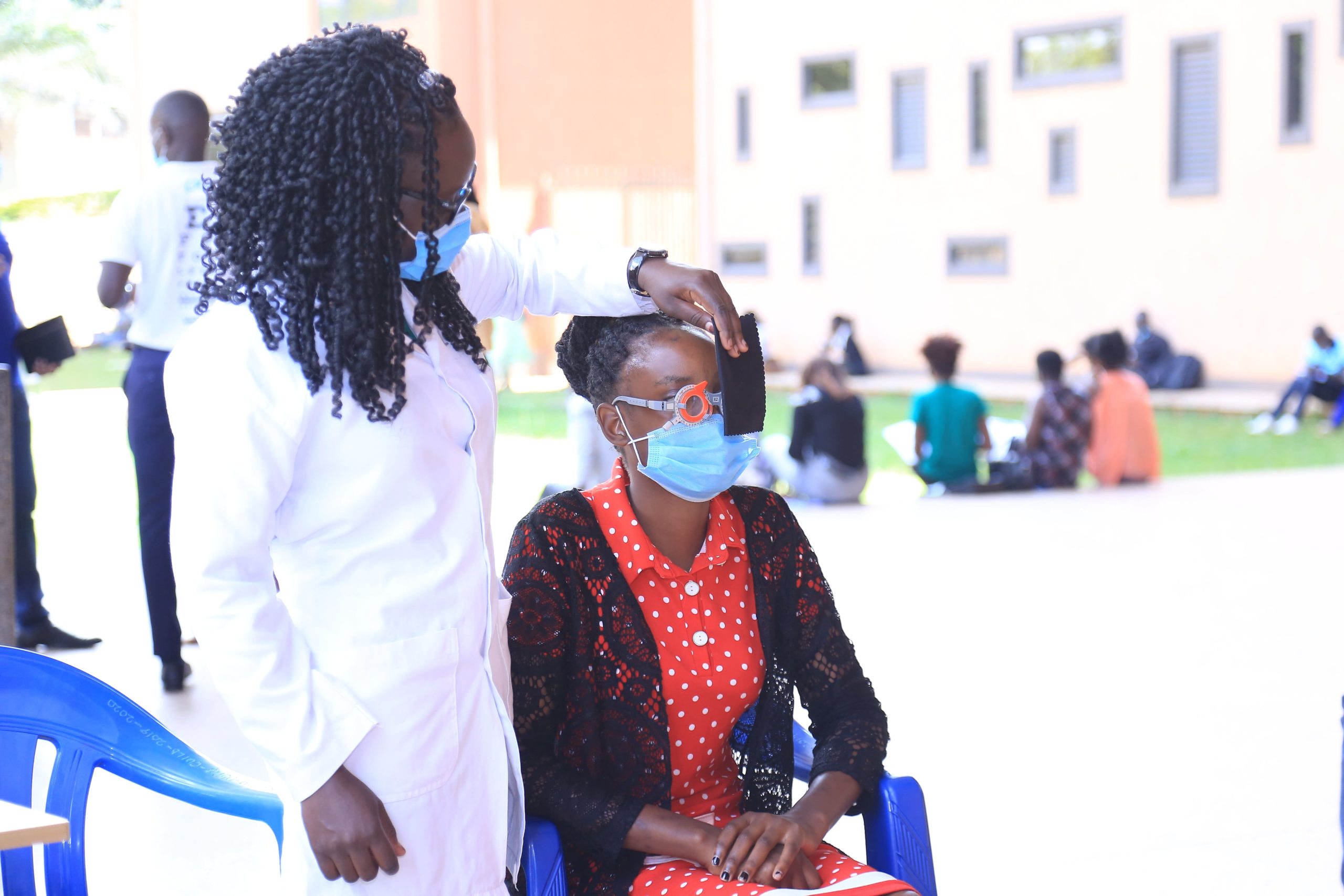
Also, to adequately serve this mass market, the company has had to harmonize its rates for eyecare services to very affordable margins. It provides free vision tests with professional optometrists and affordable glasses at Ksh3400 (USD30), which includes frame and single-vision client lenses.

“At Lapaire, we focus on accessibility and customer care. Our offer is very simple and our prices are totally transparent. Our vision test is completely free. Our eyeglasses start from USD 30, frame and lenses included, and we provide payment and installment and free delivery within Nairobi,” said Jerome Lapaire, the company’s CEO.

“If you want a certain frame, you won’t have to pay more. The price remains the same. Only the type of lenses adapted to your correction need or treatment/coating will impact the cost. You will never pay more than Ksh10,000 (USD100) with Lapaire if you tick all the options,” He added

Focus on Universal Eye Health Coverage

In its drive to include more people in its healthcare package, Lapaire Glasses has maintained its position among first optical firms in the region to get rid of all entry barriers- that is, consultation fees, vision tests costs and exorbitant cost of spectacles.

From having 10 frames at inception to having more than 100 frames at the moment, it has increased its variety of offers. Turnaround time has also been cut off from four weeks to 48 hours.

To date, Lapaire has tested the eyes of more than 150,000 people and improved the lives of over 90,000 people.
Lapaire’s life changing strides in Africa’s eyecare industry

Lapaire’s life-changing strides in Africa’s eyecare industry

“We have been working tirelessly with passion to make everyone-young and old- aware of sight problems and support those in need of glasses. Corrected eyeglasses are too expensive today and remain inaccessible to people who do not have optical health insurance. That’s why Lapaire’s primary mission is to make eyeglasses accessible to all those who look for quality and affordability,” says Oliver Mwanko Wambile, the company’s Public Relations and Communications Officer in East Africa.

Expansion Strategy
Lapaire’s life changing strides in Africa’s eyecare industry

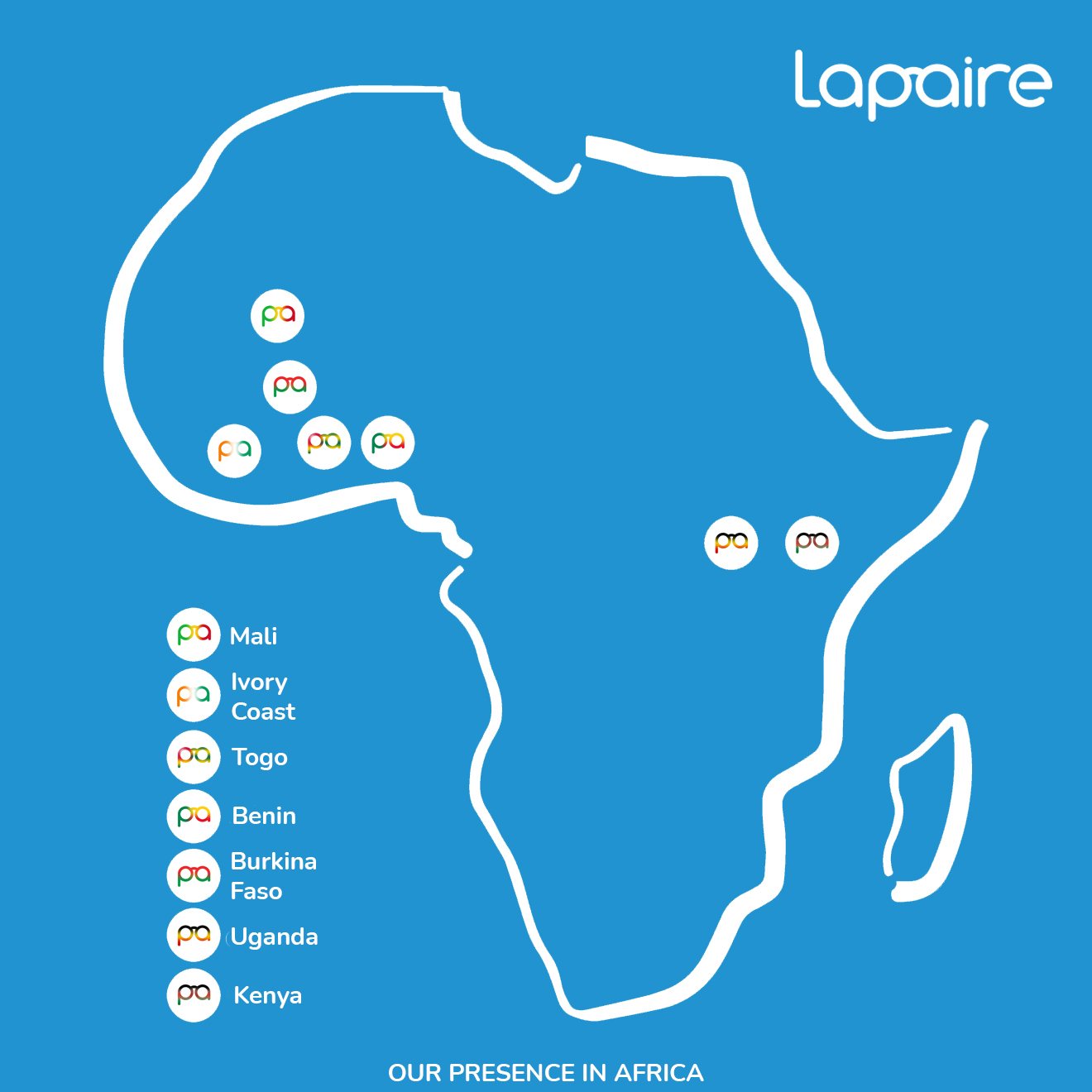
Over the past four years, Lapaire Group has focused on expanding its coverage from East to West Africa. The company currently operates over 40 optical shops across Africa, where its professional teams offer free vision tests with qualified eye specialists and a wide array of frames and lenses.

In 2021, in East Africa alone, the company opened about three optical branches and has further opened 8 optical shops throughout this year (2021). “We are planning to open an additional 10 branches across our 7 geographies this year. By 2023, we shall expand to new countries in Africa,” Lapaire’s Expansion Manager East Africa & English-speaking countries, Roseline Kilonzo says.

“Regarding our portfolio, we have also been growing our selection of frames since the beginning of the year, adding more materials, shapes and colors for men, women and kids. We shall be adding new products and services in the coming year as we identify new needs when analyzing our customers,” adds Kilonzo.

Impact on youth and job creation

Lapaire’s life changing strides in Africa’s eyecare industry

Since its inception in 2018, Lapaire has shown its passion in working and collaborating with the youth. The majority of the company staff across the continent, the PR and Communications Officer says, is between 20 and 35 years old, with 53 percent being female and 47 percent male.

The company now employs over 280 individuals throughout seven African nations. “As we continue to expand, it is reasonable to assume that number will maintain over time, as we now cooperate with numerous universities and schools to assist us in scouting the greatest talents in various fields such as optometry, sales and marketing, among others.”

Lapaire’s Inroads in Uganda

Lapaire’s life changing strides in Africa’s eyecare industry

Lapaire-Glasses

Lapaire Group’s strategy of universal inclusion in eye healthcare has also been felt in countries such as Uganda, where figures show that over 2,5 million individuals have eye impairments, and over 250,000 people are blind in both eyes.

According to Oliver Mwanko, these scary numbers stem from lack of public awareness and insufficient number of experts in the sector, notable that the first set of locally trained ophthalmologists graduated in Makerere University in 2019, leaving Uganda with only 40 ophthalmologists currently operating in a country of over 40 million people.

To help manage this crisis, Lapaiare has been adding new branches in Uganda almost every month. It first opened its first branch in the country in 2020. Today, it has 10 locations across the country; Seven of which have opened this year.

The company continues to reach its mass market through communications and partnerships. It has launched various marketing campaigns across different cities and also uses social platforms to grow its brand. Additionally, the company uses traditional marketing channels and also develops innovative ways of communicating with the general public.

“In Kampala city, we have launched our very own set of billboards and in Mbarara, we have partnered with boda boda operators by providing them with safe reflector jackets to sensitize the community on the free vision tests offered by Lapaire,” Oliver explains.

As the world celebrated the ‘World Sight Day’, under the theme “LOVE YOUR EYES”, Lapaire could not help but reckon the kind of impact it has created in the region and the mission it sets its eyes on in Africa.

During the week, the company emphasized the importance of regular eye exams across the region by assisting those who needed eyeglasses but couldn’t afford them. In Uganda, the company’s employees held a press conference in collaboration with the local and national press to highlight the importance of maintaining good eye health and encouraged everyone to visit Lapaire branches across the region to have their eyes tested for free.

November 25, 2022 0 comment
0 FacebookTwitterPinterestEmail
AfricaBusiness

AW Foundation, FactSpace West Africa Conduct Fact Checking Training in Togo

by Kwabe Ben November 25, 2022
written by Kwabe Ben

AW Free Foundation in partnership with FactSpace West Africa has trained Togolese journalists on fact-checking techniques and tools.

The workshop was held in the Togolese capital, Lome, on November 22 as part of AW Free Foundation’s media development initiative to impart knowledge of best practices to help improve media systems.

“The weaponization of misinformation has grown to become one of the major threats confronting the world. It goes without saying that due to low digital literacy on the continent, many African countries stand at greater risk. It is for this reason we’re committed to building the capacity of as many Africans to help in fighting bad information. More so, we need journalists to ensure false information does not trickle into their news reports and this training seeks to achieve just that,” said Rabiu Alhassan, the Director of FactSpace West Africa led the training.

The journalists were taken through the fact-checking processes including identifying claims; verification of information; presentation of facts; diversification of sources and putting together fact-check reports among others.

“Francophone Africa has its own peculiar challenges which provide a fertile ground for the production and consumption of fake news. This training series initiated by our foundation will help journalists in the region to understand how the problem of fake news and cyber-propaganda evolution and manifestation have been closely linked with the rise of populist politics, digital capitalism, etc., and how to combat the phenomenon. The training will also help bridge the existing gap in the news fact-checking cycle, which is much needed to enhance professional and ethical journalism,” said Executive Director of AW Free Foundation, Emmanuel Agbenonwossi.

Editor-in-Chief of the AfricaWeb group, Ismail Akwei, also took the journalists through the digital products created by the media group to democratize journalism and empower content creators.

“AfricaWeb built the GhanaWeb Reporter for its Ghana platform to entrench the freedom of speech enjoyed in the country. We are looking forward to introducing the Reporter to Cameroon, Tanzania, and Nigeria where anyone can freely express themselves and keep their communities informed while they earn income from the revenue generated from their content,” explained Ismail Akwei.

In March 2022, FactSpace West Africa, one of the leading fact-checking organizations in Africa, entered into a partnership with AW Free Foundation to expand the fight against misinformation, disinformation, fake news, and propaganda across Africa.

AW Free Foundation is a non-profit organization founded by AfricaWeb, one of the biggest publishers in Africa operating in Ghana (ghanaweb.com), Cameroon (camerounweb.com), Nigeria (mynigeria.com), Tanzania (tanzaniaweb.com) and Togo among other African countries.

The partnership is expected to leverage on AfricaWeb’s reach of 4 million multilingual visitors per month across three regions of Africa and its wide network of multilingual journalists to verify, fact-check, and widely publish verified information in multiple languages across Africa.

Among other activities, FactSpace West Africa and AW Free Foundation would organize fact-checking training for journalists, whistleblowers, CSOs, and the general public to develop their fact-checking skills. The training in Togo is in fulfillment of the partnership.

FactSpace West Africa and AW Free Foundation look forward to training thousands of fact-checkers in Africa and consistently fact-checking and verifying information in multiple African languages.

November 25, 2022 0 comment
0 FacebookTwitterPinterestEmail
Kenya to host international Poultry Expo
AgribusinessBusinessIndustry

Kenya To Host International Poultry Expo

by Ndungu Brian November 25, 2022
written by Ndungu Brian

Demand for poultry products is on the rise in Kenya driven by an emerging middle-class created in existing and new urban settlements as a result of Devolution.  To feed the appetite, an estimated 1.5 million birds are slaughtered weekly from a population of some 35 million fowls being fed for meeting the increasing demand. 

The development is opening massive employment opportunities, especially in the rural areas with huge untapped potential according to HPP Exhibitions which is organizing the Kenya Poultry Expo, planned for May 23-25 2023 at the Sarit Centre, Nairobi.

Exhibition manager Michelle Mwangi says contrary to popular belief only chicken is reared for commercial purposes, turkeys, geese, guinea fowls and the ‘infamous’ quail are delicacies in poultry farming.  In the chicken category, 75 percent is indigenous chicken, 22 percent is broilers and layers and 1% is breeding stock.

Due to the high demand and resilience of the Kienyezi chicken, the market has seen a number of varieties led by the Kenya Agriculture and Livestock Organization bred Improved Kienyeji, Kuroilers, Rainbow, Rooster Kenbro and Sasso among others.

While chicken is every farmers choice, Turkey earns more money and is the bird with rising demand at the consumer end, added Ms. Mwangi.

The shift to white meats due to health concerns has fueled a sharp increase in demand for poultry products necessitating the need for an exhibition to showcase the various birds rearing technologies and practices required for a successful venture”,  said Ms. Mwangi. She added, “A growing retail sector with food branches, fast food outlets, and restaurants has created a readily available outlet for chicken and eggs completing the chain and fueling the demand”.

“We wish to bring together players in the poultry industry under one roof to give the country a chance to share the emerging technologies in the sector and to put the industry into perspective as a key player in the country’s economy, said Ms. Mwangi.

On the show will be the latest technologies and practices of poultry farming covering production, genetics, nutrition, feed, health but marketing, operations and cost management and other critical factors for successful investment in the sector.

HPP is the organizer of the world’s best flower show, IFTEX, an annual flower industry show that takes place in Nairobi.

November 25, 2022 0 comment
0 FacebookTwitterPinterestEmail
Education CS Ezekiel Mochogu Presides over the awarding of Africa Tech Challenge Season 7 winners
Awards & RecognitionEducationTechnology

Education CS Presides Over The Awarding Ceremony Of Africa Tech Challenge Season 7 Winners

by Ndungu Brian November 24, 2022
written by Ndungu Brian

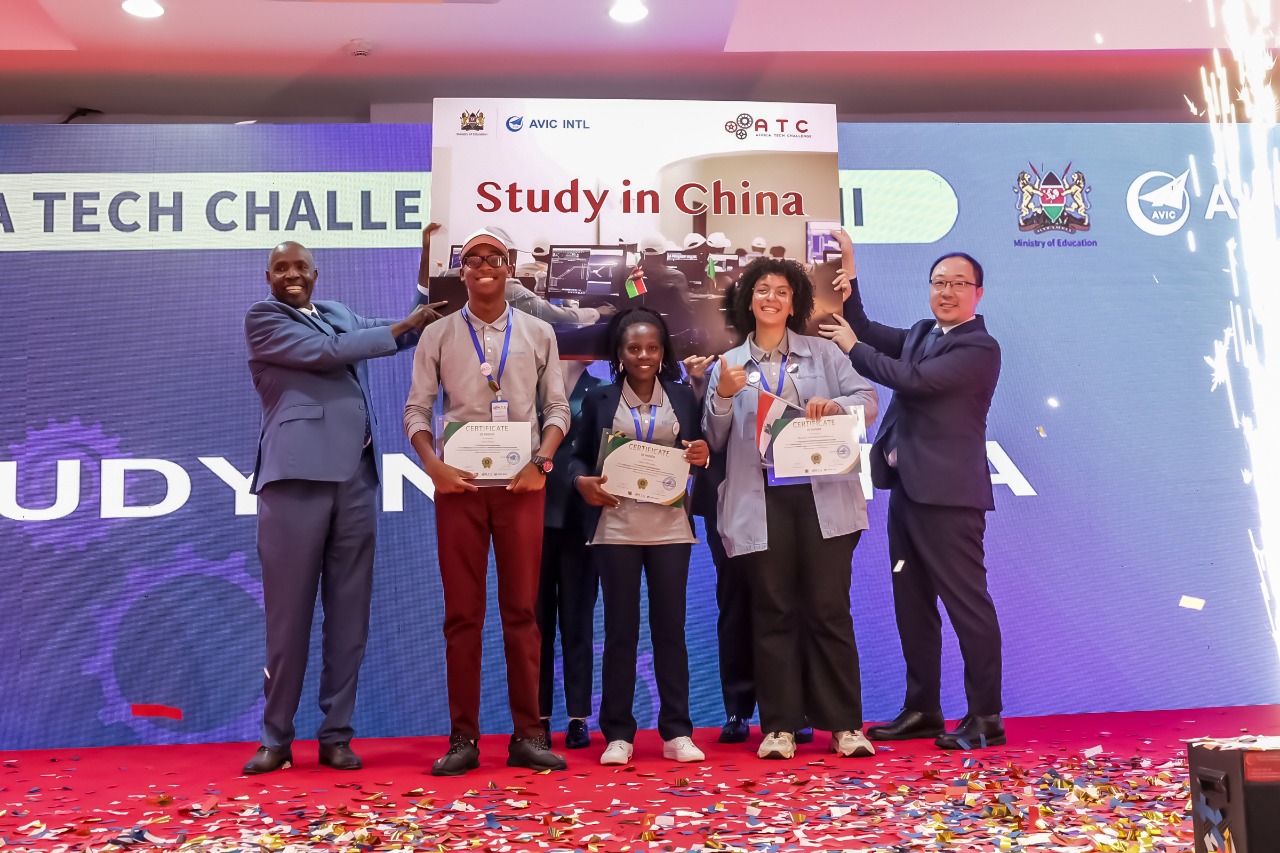
Education Cabinet Secretary Mr. Ezekiel Machogu on Tuesday 22nd November presided over the closing and awarding ceremony of the Africa Tech Challenge Season 7.

AVIC International held the closing and awarding ceremony for The Africa Tech Challenge Season 7 at the Weston hotel in Nairobi, in a colorful event co-organized by AVIC International and the Ministry of Education of Kenya.

Mr. Machogu and Mr. Xu Fei, Vice President of AVIC International Project Engineering Company, presided over the awarding ceremony. Other notable guests included Ms. Zhou Meifen, counselor of the Chinese Embassy in Kenya; Dr. Margaret Mwakima, Ph.D., principal secretary of the ministry of education; Mr. Wu Qijin, Exim Bank China’s chief representative for Southern and Eastern Africa, and Prof. Peter Kagwanja, CEO of the Africa Policy Institute (API).

Education CS Ezekiel Mochogu Presides over the awarding of Africa Tech Challenge Season 7 winners

Education CS Ezekiel Mochogu Presides over the awarding of Africa Tech Challenge Season 7 winners

The closing and awarding ceremony attracted more than 100 guests from China and other countries who gathered to celebrate the success of ATC season 7.

The seventh season of ATC began in July 2022; 259 young people in 65 teams from six African nations were trained and certified in the reading and drafting of construction drawings. Twelve vocational training institutions in Kenya participated in this season.

In his remarks, CS Ezekiel Machogu stated that the Ministry of Education pioneered this idea so that ATC may be used as a vehicle for raising awareness and enlightening Kenyans about the multiplicity of opportunities that may arise from improving skills development, an initiative that raises the prominence and acceptability of skills.

The CS also expressed appreciation and advocated collaborating with AVIC to broaden the ATC competition to additional disciplines because the Kenyan economy requires more skilled workers.

“ATC will allow participants to specify a solution to a problem, build a system, & test it” said the CS.

On AVIC’s part, Mr. Xu Fei said that up until ATC Season 7, AVIC has trained 960 students from 10 countries and as a result, 9 institutions were awarded production orders amounting to 500,000 USD. He reaffirmed that ATC will run for a number of additional seasons.

“The current need for large-scale investments in technical skills in Africa is undeniable. AVIC is committed to supporting skills development and capacity building through various development and cooperation programs,” said Mr. Xu Fei.

Diana Busingye of Uganda emerged the winner in the individual category, while the Luyanzi Institute of Technology of Uganda took first place in the group category.

Northern Technical College of Zambia took second place and Meru National Polytechnic of Kenya took third place.

The primary objective of vocational education is to alleviate the unemployment problem. As a result, in addition to scholarships to study in China, the competition winners will also receive internship and employment opportunities.

What ATC season 7 was about

Education CS Ezekiel Mochogu Presides over the awarding of Africa Tech Challenge Season 7 winners

Education CS Ezekiel Mochogu and Mr. Xu Fei, Vice President of AVIC International Project Engineering Company preside over the awarding of Africa Tech Challenge Season 7 winners

ATC season 7 was under the theme “Construction Engineering Drawing and Drafting”, which still continues
the previous “training + competition” model.

In the 7 edition, there were teams from six countries – Kenya, Egypt, Ghana, Uganda, Zambia and Zimbabwe competing together to promote the exchange of experience between the participating team members from each country.

From July 25th to August 22nd, a month of online intensive training was provided to participants from different countries. The online preliminary round was successfully held on August 25, and one team from each country was selected to enter the final round.

The final phase was launched on November 13 in Kenya, where the finalists gathered for a 5-day training session starting on November 14 and the final round was held on November 19. All participants who successfully completed the training received a certificate of completion jointly issued by the Kenyan Ministry of Education and AVIC International.

The 7th season of ATC training and competition was digitally supported by AVIC International’s online education platform. Through the online training format, the 7th ATC benefited more participants than in previous competitions.

After the final closing ceremony, the ATC Organizing Committee collaborated with the Confucius Institute of the University of Nairobi to hold Chinese cultural experience activities, allowing the participants to experience Chinese specialties including tea ceremony, Guzheng, Opera face painting, calligraphy, etc. to promote cultural exchange between China and Africa.

In addition to training and competition, ATC also successfully held two ATC TALKS, which
led participants on an online tour of the Global Trade Center project in Nairobi, Kenya, as well as
invited established African architects to interact with the participants online, allowing them to
understand the application of their learned skills in the field of architecture and broaden their
horizons

November 24, 2022 0 comment
0 FacebookTwitterPinterestEmail
Tourism recovery accelerates to reach 65% of pre-pandemic levels
AfricaTourismTravel

Tourism Recovery Accelerates To 65% Of Pre-Pandemic Levels

by Ndungu Brian November 24, 2022
written by Ndungu Brian

An estimated 700 million tourists traveled internationally between January and September, more than double the number recorded for the same period in 2021.

This equates to 63% of 2019 levels and puts the sector on course to reach 65% of its pre-pandemic levels this year, in line with UNWTO scenarios. Results were boosted by strong pent-up demand, improved confidence levels and the lifting of restrictions in an increasing number of destinations.

Highlighting the speed at which the sector has recovered from the worst crisis in its history, the latest World Tourism Barometer from UNWTO reveals that monthly arrivals were 64% below 2019 levels in January 2022 and had reached -27% by September. An estimated 340 million international arrivals were recorded in the third quarter of 2022 alone, almost 50% of the nine-month total.

Europe continues to lead the global recovery

Europe continues to lead the rebound of international tourism. The region welcomed 477 million international arrivals in January-September 2022 (68% of the world total), hitting 81% of pre-pandemic levels. This was more than double that of 2021 (+126%) with results boosted by strong intra-regional demand and travel from the United States. Europe saw a particularly robust performance in Q3 when arrivals reached almost 90% of 2019 levels.

At the same time, the Middle East saw international arrivals more than triple (+225%) year on year in January-September 2022, climbing to 77% of pre-pandemic levels. Africa (+166%) and the Americas (+106%) also recorded strong growth compared to 2021, reaching 63% and 66% of 2019 levels, respectively.

In Asia and the Pacific (+230%) arrivals more than tripled in the first nine months of 2022, reflecting the opening of many destinations, including Japan at the end of September. However, arrivals in Asia and the Pacific remained 83% below 2019 levels. China, a key source market for the region, remains closed.

Arrivals and receipts at – or above – pre-pandemic levels

Africa (+166%) and the Americas (+106%) also recorded strong growth compared to 2021, reaching 63% and 66% of 2019 levels, respectively

Several subregions reached 80% to 90% of their pre-pandemic arrivals in January-September 2022. Western Europe (88%) and Southern Mediterranean Europe (86%) saw the fastest recovery toward 2019 levels. The Caribbean, Central America (both 82%) and Northern Europe (81%) also recorded strong results.

Destinations reporting arrivals above pre-pandemic levels in the nine months through September include Albania, Ethiopia, Honduras, Andorra, Puerto Rico, Dominican Republic, Colombia, El Salvador and Iceland.

In the month of September, arrivals surpassed pre-pandemic levels in the Middle East (+3% over 2019) and the Caribbean (+1%). They came close in Central America (-7%), Northern Europe (-9%) and Southern and Mediterranean Europe (-10%).

Meanwhile, some destinations recorded notable increases in international tourism receipts in the first seven to nine months of 2022, including Serbia, Romania, Türkiye, Latvia, Portugal, Pakistan, Mexico, Morocco and France.

The recovery can also be seen in outbound tourism spending from major source markets, with strong results from France where expenditure reached -8% through September, compared to 2019. Other markets reporting strong spending in the first six to nine months of 2022 were Germany, Belgium, Italy, the United States, Qatar, India and Saudi Arabia.

Strong demand for air travel and hotel accommodation

The robust recovery of tourism is also reflected in various industry indicators such as air capacity and hotel metrics, as recorded in the UNWTO Tourism Recovery Tracker. Air seat capacity on international routes (measured in available seat kilometers or ASKs) in January-August reached 62% of 2019 levels, with Europe (78%) and the Americas (76%) posting the strongest results. Worldwide domestic capacity rose to 86% of 2019 levels, with the Middle East (99%) virtually achieving pre-pandemic levels (IATA).

Meanwhile, according to STR, global hotel occupancy rates reached 66% in September 2022, from 43% in January. Europe led the way with occupancy levels at 77% in September 2022, following rates of 74% in July and August. The Americas (66%), the Middle East (63%) and Africa (61%) all saw occupancy rates above 60% in September. By subregion, Southern Mediterranean Europe (79%), Western Europe (75%) and Oceania (70%) showed the highest occupancy rates in September 2022.

Cautious optimism for the months ahead

The challenging economic environment, including persistently high inflation and soaring energy prices, aggravated by the Russian offensive in Ukraine, could weigh on the pace of recovery in Q4 and into 2023.

The latest survey among the UNWTO Panel of Tourism Experts shows a downgrade in confidence levels for the last four months of 2022, reflecting more cautious optimism. Despite growing challenges pointing to a softening of the recovery pace, export revenues from tourism could reach USD 1.2 to 1.3 trillion in 2022, a 60-70% increase over 2021, or 70-80% of the USD 1.8 trillion recorded in 2019.

November 24, 2022 0 comment
0 FacebookTwitterPinterestEmail
Health

Polycystic Ovary Syndrome Common Amongst Women of Childbearing Age

by Kwabe Ben November 23, 2022
written by Kwabe Ben

Polycystic ovary syndrome (PCOS) is a condition that affects a woman’s hormone levels and is common among women of reproductive age. Women with PCOS produce higher-than-normal amounts of male hormones called androgens. The exact cause of PCOS is unknown but genetics may be a factor.

PCOS affects women’s ovaries, the reproductive organs that produce estrogen and progesterone hormones that regulate the menstrual cycle. As a result, there is elevated production of androgen.

“Androgen is associated with many of the symptoms including irregular periods, reduced fertility, acne, weight gain that is difficult to shed off, and abnormal hair distribution. Long-term effects that may not be immediately apparent include disordered glucose control leading to diabetes, high blood pressure, and heart disease,” said Dr. Sikolia Wanyonyi, an Obstetrician Gynecologist and Foetal Medicine Specialist at Aga Khan University Hospital

According to Dr. Wanyonyi, diagnosis is made following symptoms, hormone tests, and ultrasound imaging of the ovaries. The ovaries are usually enlarged with multiple follicles or small cysts, hence the description of polycystic ovaries. However, some women will have a polycystic appearance of the ovaries without having the syndrome.

Dr. Wanyonyi states that PCOS has no cure but can be managed through healthy eating habits coupled with exercises to maintain a normal weight and reverse most of the symptoms and associated consequences. Women should aim for a body mass index (BMI) between 19 and 25. As a result, periods become more regular, the skin and hair changes reverse, and chances of spontaneous pregnancy increase.

“Hormone tablets can also be used to induce regular periods and reverse physical changes. Skin and hair changes may take longer to improve and some women will need to incorporate cosmetic measures like shaving.”

“Attaining a normal BMI is an important initial step, however, some women will require ovulation medications and if given and monitored appropriately, there is a higher chance of conceiving. Ovarian surgical procedures are only considered as the last result”, Dr. Wanyonyi further notes.

Follow-up for long-term health effects should be discussed with your Gynecologist. Regular blood sugar checks, blood pressure monitoring, and related cardiovascular assessment may be advised.

November 23, 2022 0 comment
0 FacebookTwitterPinterestEmail
The annual Mastercard Taste of Nairobi culinary affair returns to the city
BusinessHospitality

Annual Mastercard Taste Of Nairobi Culinary Affair Returns To The City

by Ndungu Brian November 23, 2022
written by Ndungu Brian

Inbox

The annual Mastercard Taste of Nairobi culinary affair returns to the city, offering an unforgettable dining experience from the 16th of November to the 16th of December 2022.

In partnership with EatOut, over 25 restaurants will participate, highlighting the incredible dining experiences available in the city.

Taste of Nairobi aims to showcase the very best of Nairobi’s dining scene and will feature the city’s finest restaurants that will exhibit tantalizing, one-of-a-kind tasting menus and offer a Priceless dining experience.

It will also be a month of joyous dining experience for Mastercard holders as the partnership will see Mastercard cardholders enjoy up to 20 percent discounts for all their spending at the participating restaurants during the Mastercard Taste of Nairobi 2022.

“People in Nairobi enjoy dining out, restaurants have equally invested in the best ambiance, interior setting, and menus. This initiative reinforces the diversity and talent in the culinary space in Nairobi. Our continued partnership with Mastercard reaffirms that we share a common goal with Mastercard to provide great experiences to consumers while promoting the countless hidden jewels in Nairobi city,” said Mikul Shah, CEO, EatOut Kenya.

The annual Mastercard Taste of Nairobi culinary affair returns to the city

Mastercard Taste of Nairobi: Indulge in Nairobi’s culinary Experience

“EatOut.co.ke is the premier online guide that helps people discover and experience the city, by aiding them to find events, exciting restaurants, and other lifestyle businesses’, added Shah.

Over the years, gastronomy has become a key element to tourism worldwide with visitors and locals alike leaning towards experiences linked towards food and related products. Through the help of the Kenya Tourism Board, Kenya has spotlighted gastronomy opportunities in the country.

“Earlier this year, we launched a Gastronomy video experience in partnership with several restaurants in Nairobi. This was meant to highlight the potential we have as a destination in Gastronomy tourism.  We are glad to be a part of The Taste of Nairobi Culinary fair which will play a big role in showcasing our food culture and also highlight the potential we have in this space,” said John Chirchir, Acting Chief Executive Officer, Kenya Tourism Board (KTB).

“Gastronomy and culinary experiences present interesting opportunities that combine culture and food. This industry currently has a global market value of about 1,116 billion dollars which is expected to rise to about 1,796.5 billion dollars by 2027. This shows why we should tap into it, and we shall continue to work together with stakeholders from the sector to ensure that we market and get maximum value from this sub-sector,” added Chirchir.

To further add to the excitement this year, EatOut Kenya is introducing the Mastercard Taste of Nairobi – Best Performing Restaurant Award, which will go to the restaurant with the highest number of visitors during the campaign duration coupled with positive reviews. Awards will also be given to the best waiters and top chefs who provide exemplary customer service.

“Dining is a great passion for Kenyans, consumers get to enjoy the diversity of meals from traditional Kenyan barbecue fare to international gourmet meals building a great experience across restaurants. Given the energy and vibrance of the city, through the Mastercard Taste of Nairobi, we anticipate both locals and tourists will experience Nairobi as the ideal destination to explore their dining passion. This year, consumers will get to enjoy an alluring experience across the various restaurants and Mastercard holders get up to 20% off their bills,” said Shehryar Ali, Country Manager for East Africa, Mastercard.

For more information on restaurant locations, menu options and prices visit www.eatout.co.ke/taste-of-Nairobi. Share your experience by Tweeting @MastercardMEA and @EatOutAfrica using #MastercardTasteOfNairobi #MTON2022 #Priceless. The time to celebrate Nairobi restaurants has returned, so get out in the city and enjoy a memorable lunch or dinner experience.

Below are the participating Restaurants & Establishments.

  • Beit e Selam
  • Cultiva
  • Bambino
  • Botanica
  • Meso
  • Copper
  • Inca
  • Hero
  • Jiko
  • Zen Garden
  • Fire Lake
  • Mawimbi Sea Food
  • Asmara Lavington
  • Asmara Karen
  • Asmara Westlands
  • Chophouse
  • Inti
  • Mercado
  • Slate
  • Haandi
  • Hakka y Haandi
  • Larder
  • Mode Cafe
  • Nabo Bistro
  • Seven Seafood & Grill
  • Sierra Bar and Grill Yaya Centre
  • Sierra Bar and Grill Westlands
  • Harvest
November 23, 2022 0 comment
0 FacebookTwitterPinterestEmail
Climate Change

Climate Change Fans a Catastrophic Drought in East Africa

by Nick Thiong’o November 23, 2022
written by Nick Thiong’o

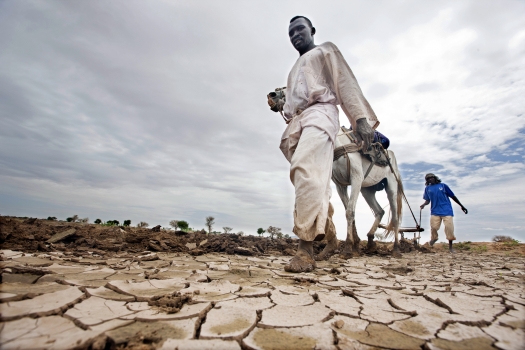
Climate change and failed crop production are ravaging parts of East Africa with Kenya being one of the most adversely affected countries. Cattle, sheep and goats are dying in thousands as water sources dry up; making parts of the country’s landscape desolate and inhabitable.

In some of the remotest parts of the country such as Turkana County, famished families forage for berries for survival as malnutrition makes them ever more vulnerable to deadly ailments such as Malaria. Villagers in the north-western part of the country have to dig 10-foot-deep holes in search of water, as water tables sink.

The Greater Horn of Africa has been suffering the longest drought in 40 years, with parts of the region bracing for a fifth consecutive failed rainy season following a forecast by the World Meteorological Organization (WMO). Extreme weather has made parts of region inhospitable, with the landscape dotted with carcases of dead livestock.

In Kenya, the National Drought Management Authority estimates that up to 1.5 million livestock, mainly cattle and sheep, have died since October last year as the drought continues to devastate the region.

Guleid Artan, Director of the Intergovernmental Authority on Development (IGAD) Climate Prediction and Applications Centre (ICPAC), warned that Ethiopia, Kenya and Somali are on the brink of an “unprecedented humanitarian catastrophe.” IGAD and humanitarian agencies recently raised the alarm that over 50 million people in the region are suffering from acute food insecurity this year.

New analysis by the World Health Organization (WHO) has established that the number of reported disease outbreaks and climate-related health emergencies in the greater Horn Africa have reached their highest-ever level this century, deepening a health crisis in a region where 47 million people are already facing acute hunger.

In the neighbouring Tanzania, which was deemed to be better placed, more than 6 million dwellers of the country commercial capital, Dar es salaam, are now faced with water shortage after the Dar es Salaam Water and Sanitation Authority (NAWASA) imposed water rationing.

The Authority cited dwindling water levels Tanzania as the country continues to experience prolonged dry weather. Water supply from Ruvu River, the city’s main source, has dipped from 466 million litres a day to about 300 million litres daily. This is against a daily consumption of 500 million litres.

“Climate change is having an impact, here and now, on the health of Africans in the greater Horn of Africa. The failure of four consecutive rainy seasons has scorched the earth and pushed people out of their homes in search of food and water,” Dr Matshidiso Moeti, WHO Regional Director for Africa said in a statement.

To mitigate the raging drought, the Kenya Government last month announced a plan to construct 100 mega dams, as the country seeks to cut back reliance on rainfed agriculture and pivot towards irrigation.

Kenya’s President William Ruto said the dams will be used to conserve water for the dry seasons. “We currently have a bad drought and it will only get worse due to climate change. Unless we change the environment, climate change is a reality that we must live with,” he said.

Millions of children under the age of five years are estimated to be facing acute malnutrition, increasing their risk of not only starvation. In the past four years, the number of people facing acute hunger in the greater Horn of Africa have more than doubled.

“It is critical that world leaders reach agreement on stemming the rise in temperatures at the 27th United Nations Climate Change conference (COP27) which is very appropriately taking place in Africa. As a continent we are the least responsible for global warming, but among the first to experience its tragic impact,” adds Dr Moeti.

Drought is not the only extreme weather event the region is fighting. South Sudan is experiencing its fourth consecutive year of flooding, with 40 percent of the country under water. Heavy rains and flash floods continue to affect tens of thousands of people across neighbouring Sudan.

The floods have destroyed or damaged thousands of houses and tens of health facilities, water sources, and latrines in 15 states. Additionally, livestock and a wide area of agricultural land have been affected by floods, which contribute to food insecurity.

Food insecurity, resulting from flooding and drought, along with conflict, the fallout from the COVID-19 pandemic, and high food and fuel prices, has forced people to flee their homes and the region now has 4.5 million refugees and asylum seekers as well as 12.7 million internally displaced people.

Elsewhere in southern Ethiopia and Somalia, over a million people have been displaced as existing water scarcity continues to be exacerbated by furnace-like high air temperatures. In farmlands, harvests have been below average, causing a protracted reliance on markets, where households will have limited food access due to high food prices.

For the larger East Africa, the October to December rainy season makes up for 70 percent of the annual total rainfall in the equatorial parts of the Greater Horn of Africa, particularly in eastern Kenya. As the riverbeds dry up and grasslands shrivel up, the drought has coincided with rising global rise in food and fuel prices, driven up by the war in Ukraine, fanning a catastrophic storm in East Africa.

November 23, 2022 0 comment
0 FacebookTwitterPinterestEmail
Awards & RecognitionBusiness

Lions Club Nairobi Cargen Receives Charter

by Kwabe Ben November 23, 2022
written by Kwabe Ben

Car and General Trading Limited has joined over 48,000 Lions Clubs globally to channel some of its Corporate Social Responsibility programs through the Lion Club Nairobi, Cargen.

David Chesoni,  the President received the Charter for his Club from  Shehzan Luhar the  Governor of District 411A of the Lions Club.

Lions Club International is the largest service organization in the world with more than 1.4m people in over 200 countries who believe in serving the community. Over the last 100 years, the Lions Club unites its global service in five areas that present significant challenges to humanity – diabetes, vision, hunger, environment, and childhood cancers.

“This partnership will enable members of the Car and General family to serve and make a difference to their communities and the world at large. We hope to carry out various projects including feeding the needy, supporting children through scholarships and mentorship programs, and caring for the environment and the world in times of need,” said David Chesoni, who is also the Managing Director of Car and General.

Car and General Trading Limited is a leading supplier of generators, TVs motorbikes, three-wheelers, lawnmowers, construction equipment, power generation, and engineering products backed by reliable service and repairs. The main showroom and workshop are on Lusaka Road in the Nairobi industrial area with branches in Eldoret, Kisii, Kisumu, Kitengela Mombasa, and Nakuru.

November 23, 2022 0 comment
0 FacebookTwitterPinterestEmail
Copia Global Partners with Cellulant to Enable Payments For Diaspora & Urban Customers
BusinessNews

Copia Global, Cellulant Partner To Enable Payments For Diaspora Customers

by Ndungu Brian November 23, 2022
written by Ndungu Brian

Copia Global the only B2C e-commerce platform providing e-commerce solutions, has announced a partnership with Cellulant a Pan-African Payments technology company to simplify payments for its diaspora and urban customers. 

This partnership enables Copia’s diaspora and urban customers to conveniently initiate transactions and purchases for their loved ones in rural areas in Kenya using the Cellulant network. This provides greater choice, affordability, and convenience for both urban and rural shoppers when shopping for everyday items.

“We are deeply committed to simplifying e-commerce in Africa and are excited to collaborate with Cellulant in expanding Copia’s market reach. This will enable us to provide diaspora and urban customers with alternative and convenient payment options when they shop on Copia’s platform for friends and family across Kenya and Uganda,” said Tim Steel, Chief Executive Officer, Copia Global.

We believe that fintechs and e-commerce platforms need to have a deeper collaboration in expanding opportunities that will help ease payments and collections for businesses

Remittance inflows to Kenya have increased tenfold in the last fifteen years, reaching an all-time high of 3.72 million dollars in 2021, according to the Central Bank of Kenya (CBK). For many Kenyans as in many African nations, digital payments made by diasporans to rural families provide a financial lifeline to millions of households. Diasporans and people living in urban areas can use Copia’s online platform to pay for goods and have them delivered to friends and family back home.

“We are delighted to be Copia’s payments technology partner enabling consumers in the diaspora to make purchases seamlessly. As the African e-commerce and payments landscape in Africa continues to evolve, we believe that fintechs and e-commerce platforms need to have a deeper collaboration in expanding opportunities that will help ease payments and collections for businesses and their consumers across all sectors of the economy”, said Akshay Grover, Chief Executive Officer Cellulant.

In recent years, Cellulant has led the charge in simplifying payments for a wide range of businesses in various sectors such as airlines, telecoms, e-commerce platforms, and ride-hailing companies among others processing about USD 14 billion in 2021 alone.

Cellulant provides a single digital payments platform – named Tingg- that addresses the complex payments needs of businesses. Tingg makes it easy to collect and make payments across multiple payment methods in different currencies, with the best customer experience for any business looking to digitize its payments.

Copia combines mobile technology, over 40,000 digitally enabled local agents, and an innovative last-mile logistics system to provide a broad product offering efficient, reliable delivery to rural consumers. The streamlined process enables customers to simply provide the phone number of a friend or family member at checkout and Copia will do the rest, including locating the recipient, identifying the nearest delivery centre agent, and delivering the goods.

November 23, 2022 0 comment
0 FacebookTwitterPinterestEmail
Newer Posts
Older Posts

Ad

Recent Posts

  • Wangaya crowned SportPesa premier league player of the month for April

    May 9, 2026
  • ADAS summit in Nairobi unveils Kenya Token™ ahead of 2026 launch

    May 6, 2026
  • Mastercard Expands Blockchain Play with Yellow Card Partnership

    May 6, 2026
  • Only four African economies are structurally ready to industrialise at scale

    May 6, 2026
  • Why global HR frameworks don’t always hold up in Kenya

    May 5, 2026

HANDBOOK LAUNCH

  • Mr. Zacharia Mwangi the Cabinet Secretary for the Ministry of Lands, Public Works, Housing and Urban Development Receiving a copy of Kisumu Handbook
  • LVBC Executive Secretary Dr. Masinde Bwire receiving a copy of Kisumu Handbook
  • Governor Homabay Gladys Wanga Receiving Kisumu Investment Handbook
    Gladys Wanga, the Governor for Homabay receiving a copy of Kisumu Investment Handbook
  • LVBC Executive Secretary Dr. Masinde Bwire receiving a copy of Kisumu Handbook
  • Mr. Zacharia Mwangi the Cabinet Secretary for the Ministry of Lands, Public Works, Housing and Urban Development Receiving a copy of Kisumu Handbook
  • Governor Homabay Gladys Wanga Receiving Kisumu Investment Handbook
    Gladys Wanga, the Governor for Homabay receiving a copy of Kisumu Investment Handbook

Upcoming Handbook Editions

The East African Business Times Limited @2025 - All Right Reserved.


Back To Top
The East African Business Times
  • Home
  • Business
    • Finance & Banking
    • Insurance
    • Entrepreneurship
    • Agribusiness
    • Technology
      • Cyber security
      • Mobile
    • Property & Real Estate
  • Special reports
    • East Africa
    • Awards & Recognition
    • Climate Change
    • Energy
    • Lifestyle & Entertainment
      • Health
      • Tourism
      • Sports
  • Opinion & Analysis
  • Media OutReach Newswire