The East African Business Times
  • Home
  • Business
    • Finance & Banking
    • Insurance
    • Entrepreneurship
    • Agribusiness
    • Technology
      • Cyber security
      • Mobile
    • Property & Real Estate
  • Special reports
    • East Africa
    • Awards & Recognition
    • Climate Change
    • Energy
    • Lifestyle & Entertainment
      • Health
      • Tourism
      • Sports
  • Opinion & Analysis
  • Media OutReach Newswire
Over 15,000 KMTC Students Graduate
Awards & RecognitionHealthNews

Over 15,000 KMTC Students Graduate

by Ndungu Brian December 5, 2022
written by Ndungu Brian

The government’s strategy to increase the country’s health workforce has received a shot in the arm following the graduation of 15,915 students from the Kenya Medical Training College (KMTC).

This is the first time in the institution’s 95-year-old history, to churn out such a large number of graduates who were conferred with various certificates, diplomas and higher diplomas.

Presiding over the 91st graduation ceremony which was largely a virtual event; Health Cabinet Secretary Susan Nakhumicha underscored the government’s commitment to realizing the constitutional right to health for all citizens.

“Health workforce as we know, is a key health system building block without which we cannot achieve universal health coverage. A well-performing health workforce is one that is responsive, fair and efficient to achieve the best health outcomes.” Stated the CS.

Additionally, she noted the need to enhance the country’s health provider to patient ratios in line with the global standards and align training to meet the growing demand for patient-centered care, community-based health services, and personalized long-term care.

As a country, we need to align future production of health care workers to the population health needs

“Demand for the global health workforce is expected to grow substantially. As a country, we need to align future production of health care workers to the population health needs, “emphasized Nakhumicha.

In congratulating the graduate class of 2022, the Cabinet Secretary who is also an alumnus of KMTC, urged the graduates to practice the health professional’s mantra of putting the interests of the patients first.

“I know that your training has equipped you, not just with knowledge, skills and abilities but it has also given you a great foundation to become positive agents of change who will provide innovative solutions to the problems facing our health sector. The patients of today are not the patients of yester years; they are more informed. As you go out, remember that the interest of your patient supersedes any other interest.” Concluded the CS.

Addressing the graduates, the institutions CEO Dr. Kelly Oluoch said the number of graduates released annually into the job market was on an upward trajectory amid a growing demand for diversification of training programs to enhance training opportunities for the youth.

“The College has expanded its training programs, reviewed and developed curriculum to revolutionize patient centered healthcare. Even as we grow, the College remains committed to quality standards, excellence, as well as regulatory frameworks” said the CEO.

Similar sentiments were echoed by KMTC board chairman ambassador Zachary Muburi who said the institution receive over 30,000 applications annually to train at the facility. However, they were only able to absorb about two-thirds of the applicants in the existing 72 campuses spread across 44 of the 47 Counties.

Among the 15,915 graduates, 692 were awarded Higher Diplomas, 8,235 Diplomas, and 6,988 Certificates. The 2022 theme for the event was “Sustainable and Comprehensive Training towards a Responsive Health System.


December 5, 2022 0 comment
0 FacebookTwitterPinterestEmail
BusinessTechnology

Kasuku NFT Seeks Empowerment for Creatives

by Kwabe Ben December 5, 2022
written by Kwabe Ben

Non-Fungible Tokens, widely renowned as NFTs, have taken the world by storm. Online digital products have become widely popular, especially for artists.

Non-fungible entails the convertibility or exchangeability of a product or art whereas a Token refers to the identity of the NFTs in the blockchain.

An NFT is a digital asset that can represent digital or real-world objects like art, music, in-game items, and videos. They are bought and sold online, and they are generally encoded for tracking sales.


The digital asset has been touted as a significant solution for artists of diverse art types since they are stored on a digital ledger that is publicly accessible and immutable – providing visibility of the transfer history of specific NFT from art to music. It enables creators and a buyer to see who created the NFT and who purchased it. Users can also see the people who have owned it and for how long.

NFTs recorded some of the highest sales in October 2021 after CryptoPunk sold for $532 million, the Merge by Pak. It was sold for $91.8 million on Nifty Gateway in December 2021.


Kenya has seen its fair share of the NFT craze, with Eliud Kipchoge becoming the first Kenyan to launch and sell his own set of NFTs on the Ethereum Blockchain. The set of digital assets, which was backed by Momentible saw it raising over $30,000 in revenue.


A game-changer that seeks to revitalize NFTs in the African setting is Kasuku NFT, a new entrant in the African market that promises to ensure artists are better and more fairly compensated for their work.


The digital art marketplace was founded in Kenya by Mowgli Dodhia, who reveals that the platform was inspired by his family who is artists, and the struggle of local artists who rarely earn enough from their pieces of art whereas the artworks would be sold in Art Galleries across the world for much more money.


“Kasuku, the Swahili word for the African grey Parrot, one that is often caged, in this case, it’s an ideal name for our marketplace as it represents the artists who often find themselves caged by the industry, be it record labels or galleries. We envision empowering the artists, helping them to go global, and letting them soar, like a free Kasuku,” said Mr. Mowgli Dodhia Founder of Kasuku NFT.


Kasuku NFT is customized for African Creatives considering the never-ending uphill battle in the creative industry as the artists have few opportunities to showcase their talents and earn handsomely from their talents. Some are paying commissions of up to 40% or receive royalties smaller as compared to developed world artists.

NFTs, according to Mowgli, empower artists to reach a wider audience and have a community of like-minded creators, which in turn allows them to get more sales and grow their audience authentically.


The artworks if taken to the global stage would rack in more millions while the artist is not able to know nor be known by the purchaser of the arts whereas, through Kasuku NFT, the artist will be able to earn more and get a bigger audience.

“NFTs enable the artist to prove the Intellectual Property provenance through a time stamp that is available on the blockchain which allows for proof of being the first developer of a certain painting or picture. Kasuku will also enable geo-stamping so that even the artists and their work can be searched according to their location” adds Mowgli.


NFTs do involve smart contracts that allow for the doing of multiple things like the separation of funds through codes that is one can see all the data about a token and apply it like a legal contract though now in the blockchain. This also allows for use cases such as royalties, allowing the artists to earn consistently.


Artists benefit more from the use of NFTs in trading as they are able to be their own brand that is able to sell on social media platforms, also they get offered a chance to claim and actually own their royalties of the art, music, pictures, or any form of art.

“NFTs are the perfect solution to these challenges, and as Kasuku we’ll only charge 2.5 percent commission, while the artists will get 97.5 percent of the money,” said Mr. Mowgli.


African artists are slowly embracing the NFTs despite their essence in protecting their rights and their creative products which is empowering the artist to genuinely own and track the productivity of their art globally.

“The future for creatives is rapidly changing, NFTs seem like an extremely viable option that ensures fairer conditions for artists, as well the ability to reach a wider audience.”


Kasuku seeks to work with various partners to ensure that the customers and artists can interact better as it offers the linking of both the artist and art buyer to interact as a community which enables an ecosystem that mutually benefits.


“Moreover, Kasuku is going to ease the process of acquiring an NFT through its platform without one having to go through the whole complicated tech process.  As it integrates mobile money operators that will allow a user just to sign in and join as well as trade-in through the locally available money transfer platforms,” he added.

Kasuku will revolutionize trading through NFTs as it motivates collectors through incentives so that they are also rewarded for actions such as purchasing from a new artist. This is to create a symbiosis of mutual benefit that allows for more exchanges through the platform and wider audience reach especially to the whole of Africa and the globe.


“For us, it’s enhancing what blockchain is all about; transparency and immutability” explain Mr. Mowgli.


Kasuku aims at being easily discoverable, including free daily features for new artists inclusive of an ability to advertise on the platform for artists. Also offering curated galleries for the highest quality art and institutions as well as customizable personal galleries for collectors.

December 5, 2022 0 comment
0 FacebookTwitterPinterestEmail
crawford
EducationTech

Crawford International School Bags Win at School Game Jam

by Kwabe Ben December 2, 2022
written by Kwabe Ben

Crawford International School scooped first and second place with Makini School taking the second runner-up at the first student Game Jam in Kenya.

The competition attracted 18 teams from 11 schools in Nairobi and Kiambu counties. The three-day competition themed ‘‘To create, play and learn’’ had learners aged between 12 and 18 develop video games from scratch.

The first team won Ksh100,000 while the first runner-up team bagged Ksh60,000 and the second runner-up team received ksh30,000. The event was aimed at inspiring Kenyan students talented in gaming to develop their own games and compete with other schools. The contest is an avenue for learners to build networks
and bonds that will enhance their coding, graphics, language, and art skills.

Ezekiel Kagunda, Head of Marketing and Communications at Crawford International School said, ‘‘The inaugural event was a success. There were 18 unique video games developed in three days. Judging was done based on four key areas which are programming, graphics, sound, and gameplay which needed to showcase the teams’ innovation, quality, and completeness of the games.’’

‘‘Students through the help of industry experts should progressively build their prototypes to perfection and copyright as income-generating ventures. We intend to gradually grow the event to a national competition to foster countrywide innovation among teenagers,’’ concluded Ezekiel.

December 2, 2022 0 comment
0 FacebookTwitterPinterestEmail
Cyber Shujaa program game changer in curbing cyber attacks
Cyber securityTechnologyWomen in Business

Cyber Shujaa Program Game Changer In Curbing Cyber Attacks

by Ndungu Brian December 1, 2022
written by Ndungu Brian

Kenya Bankers Association and USIU have launched a novel Cyber Shujaa program that will give Kenyan women  a higher chance of joining the cybersecurity profession.

The initiative has been set up to bridge the training, placement and retention gap for the youth in cybersecurity to stem the rising tide of losses to cyber criminals, which could reach Kshs 10 billion per annum by end of 2022

With data showing that women hold only 20 percent of cybersecurity jobs, Cyber Shujaa is scaling up the population of women fighting cyber criminals by running women-only training tracks for each cohort of students. The program aims to train and place 2,000 Kenyan youth with half of them female by the end of 2023.

Speaking in Nairobi during the graduation of the second cohort of 160 Cyber Shujaa trainees, Kenya Bankers Association Director of Technical Services Fidelis Muia explained that the program had observed that very few women were enrolling for cybersecurity training and that less than 30 percent of Cyber Shujaa grandaunts were female, yet Kenya’s economy has the capacity to absorb 10,000 cybersecurity executives annually.

“Low female enrolment is a cause for concern because the field of information technology is expanding and more career paths are emerging in cybersecurity. We need more women to exploit their natural vigilance, dexterity and attention to detail, qualities that will help them tremendously in cybersecurity,” said Muia.

In addition to training the executives, Cyber Shujaa places the graduates with employers and works with those who want to go into enterprise to incubate their businesses at USIU where they learn about entrepreneurship.

Kenyan organizations have escalated their digitization programs progressively in recent years but at the same time, the depth and frequency of cyber attacks has been rising.  Kabuthia Riunge, Group Head, Cybersecurity, KCB Bank Group noted that in 2021 cyber security attacks took place every 11 seconds compared to every 30 seconds the year before.

“Fortunately, this means that the demand for competent cyber security executives will continue for the foreseeable future. With Kenya’s unemployment standing at nearly 40 percent and organizations facing a dire need for qualified people, cybersecurity offers a number of roles such as cloud security and security analysts, data protection officers, auditors, vulnerability assessors, penetration testers, security operation center staff, incident responders, forensic investigators and data analysts among many others” said Riunge.

Joseph Mathenge, Serianu Chief Operating Officer added that Cyber Shujaa had illustrated that a partnership between the private sector, academic community and the public sector was possible and produces results as shown by the successful training of 289 young people including students from 32 universities and working executives from across the Kenya Bankers Association membership.

“While we encourage other sectors to emulate the model that we have in place, we need to emphasize that more women have an opportunity to become cyber security professionals with Cyber Shujaa,” he said.

This, said USIU-Africa Vice Chancellor Professor Margee Ensign, will be made possible through Cyber Shujaa’s mentorship, practical skills training and group support activities. “Our strategic focus is to align our curriculum with industry and government in order to solve national and global cybersecurity challenges,” she said, reiterating her commitment to the partnership as the academic and research partner to drive the youth engagement, curriculum development, training and immersion, data collection, analysis and policy-based research”, she posited.

December 1, 2022 0 comment
0 FacebookTwitterPinterestEmail
Awards & RecognitionBusinessWomen in Business

Female Policy Practitioners Selected To Join Program On Improving Agri-Food Systems

by Ndungu Brian December 1, 2022
written by Ndungu Brian

African Women in Agricultural Research and Development (AWARD) has announced the selection of 50 African mid-career women as Fellows in the first cohort of its newest two-year career development program.

Inspired by the flagship AWARD Fellowship Model, the Gender Responsive Agriculture Systems Policy (GRASP) Fellowship, aims to grow a pool of confident and capable African women to lead policy changes to improve African smallholders’ livelihoods.

AWARD has a long legacy of enhancing women’s leadership capabilities in Africa. Since 2008, the organisation has invested in building a pool of capable, confident, and influential African women scientists to lead critical advances and innovations in the agricultural research and development sector. To date, 617 women in agricultural research from 25 countries have been awarded various AWARD Fellowships.

The 50 AWARD Policy Fellows of the inaugural Cohort of the GRASP Fellowship who hail from six African anglophone countries [Ghana, Kenya, Malawi, Nigeria, Uganda, and Zambia] are drawn from diverse organisations including the private sector, non-governmental organisations, and government agencies.

Why the GRASP Fellowship?

Effective policies are critical if research innovations are to provide gender-inclusive, sustainable solutions for Africa to transform its agriculture and feed its growing population. The guidelines for country implementation of the Comprehensive African Agriculture Development Program (CAADP) under the Malabo declaration highlight the need for agricultural policies that will both facilitate private sector engagement and inclusive, equitable agricultural growth. Such policies require careful interrogation of the policy processes from decisions to actions.

The 50 women selected for the GRASP Fellowship are set to participate in a series of interventions designed to enable them to become more effective policy practitioners. They will receive tailored training that will enhance their negotiation skills to lead and navigate policy processes, equip them to design and implement gender-responsive policies, and help build collaborative relationships for impactful policy outcomes. Delivered by a team of experienced and dynamic AWARD trainers and partners, the immersive career development program will also provide catalytic funding to AWARD Policy Fellows to design innovative policy-oriented projects, known as Policy Innovation Projects (PIPs).

“The latest State of Food Security and Nutrition in the World 2022 (SOFI) report revealed that while there is increased hunger globally, Africa is severely affected and more important to note, is that there is a gender gap in hunger, with more women and children affected. That is why it is critical that we pay attention to how our agricultural policies are addressing the needs of both women and men, and how they enable equitable food systems,” said, Dr. Susan Kaaria, Director, AWARD

To foster knowledge and experience sharing while catalysing intergenerational networks, the GRASP Fellowship will entail a three-tiered mentoring process where each Fellow will be matched with a senior policy professional as their Mentor as well as a junior policy professional as their Mentee. The mentoring trio will be supported to form coalitions that will work on the PIPs which will provide hands-on practical experience in collaborating toward gender-responsive policy development in the agricultural sector.

On Thursday December 1st, the 50 selected Fellows will be convened at a launch webinar that is part of a series of dialogues under the GRASP Fellowship aimed at curating conversations on how to intensify efforts toward fostering policy change for equitable agri-food systems in Africa.

December 1, 2022 0 comment
0 FacebookTwitterPinterestEmail
HealthNewsSpecial reports

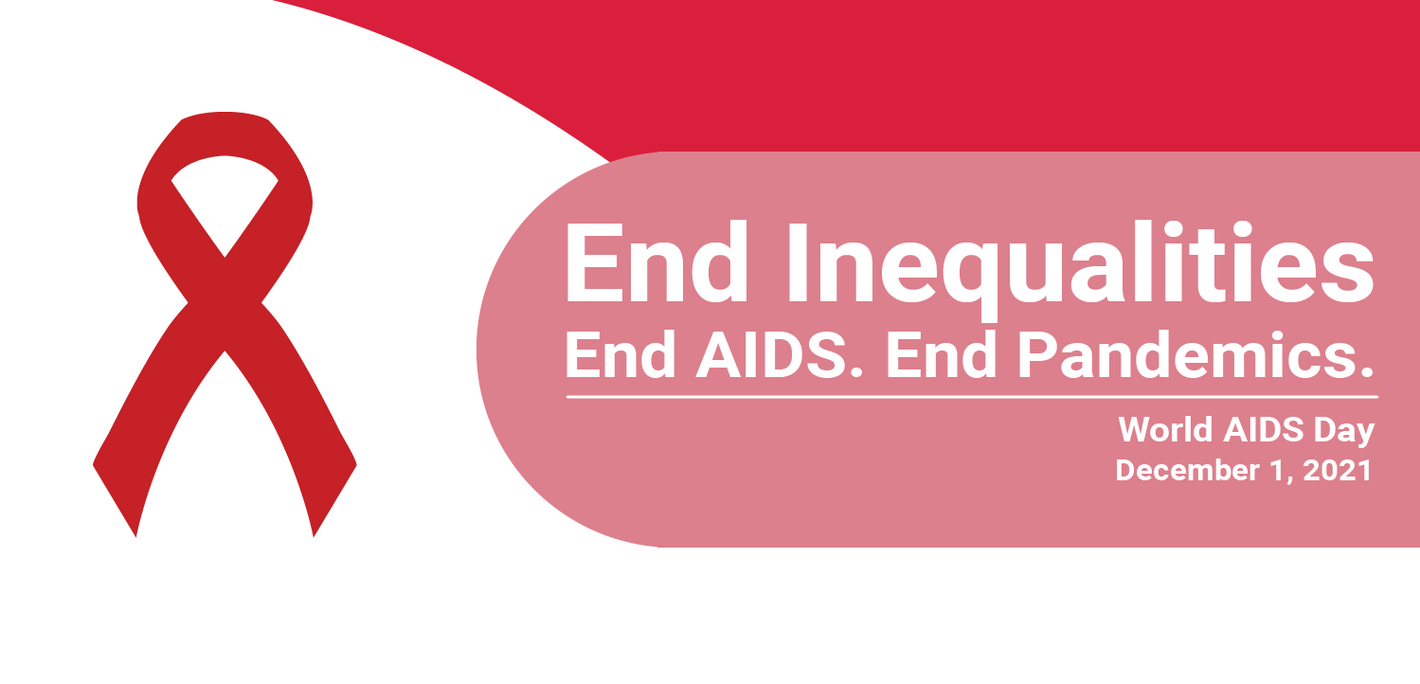
Inequalities Blocking End of AIDS Pandemic-United Nations

by Ndungu Brian November 30, 2022
written by Ndungu Brian

Analysis by the United Nations (UN) ahead of World AIDS Day reveals that inequalities are obstructing the fight against end of AIDS.

On current trends the world will not meet agreed global targets on AIDS. But the new UNAIDS report, Dangerous Inequalities, shows that urgent action to tackle inequalities can get the AIDS response on track.

UNAIDS set out earlier this year that the AIDS response is in danger—with rising new infections and continuing deaths in many parts of the world. Now, a new report from UNAIDS shows that inequalities are the underlying reason why. It shows how world leaders can tackle those inequalities, and calls on them to be courageous to follow what the evidence reveals.

Dangerous Inequalities unpacks the impact on the AIDS response of gender inequalities, of inequalities faced by key populations, and of inequalities between children and adults. It sets out how worsening financial constraints are making it more difficult to address those inequalities.

The report shows how gender inequalities and harmful gender norms are holding back the end of the AIDS pandemic.

“The world will not be able to defeat AIDS while reinforcing patriarchy,” said UNAIDS Executive Director Winnie Byanyima.

“We need to address the intersecting inequalities women face. In areas of high HIV burden, women subjected to intimate partner violence face up to a 50% higher chance of acquiring HIV. Across 33 countries from 2015-2021 only 41% of married women aged 15-24 could make their own decisions on sexual health. The only effective route map to ending AIDS, achieving the sustainable development goals and ensuring health, rights and shared prosperity, is a feminist route map. Women’s rights organizations and movements are already on the frontlines doing this bold work. Leaders need to support them and learn from them.”

The effects of gender inequalities on women’s HIV risks are especially pronounced in sub- Saharan Africa, where women accounted for 63% of new HIV infections in 2021.

Adolescent girls and young women (aged 15 to 24 years) are three times more likely to acquire HIV than adolescent boys and young men of the same age group in sub-Saharan Africa. The driving factor is power. One study showed that enabling girls to stay in school until they complete secondary education reduces their vulnerability to HIV infection by up to 50%. When this is reinforced with a package of empowerment support, girls’ risks are reduced even further. Leaders need to ensure all girls are in school, are protected from violence which is often normalized including through underage marriages, and have economic pathways that guarantee them a hopeful future.

By interrupting the power dynamics, policies can reduce girls’ vulnerability to HIV.

The world will not be able to defeat AIDS while reinforcing patriarchy

Harmful masculinities are discouraging men from seeking care. While 80% of women living with HIV were accessing treatment in 2021, only 70% of men were on treatment. Increasing gender- transformative programming in many parts of the world is key to halting the pandemic. Advancing gender equality will benefit everyone.

The report shows that the AIDS response is being held back by inequalities in access to treatment between adults and children. While over three quarters of adults living with HIV are on antiretroviral therapy, just over half of children living with HIV are on the lifesaving medicine. This has had deadly consequences. In 2021, children accounted for only 4% of all people living with HIV but 15% of all AIDS-related deaths. Closing the treatment gap for children will save lives.

Discrimination against, stigmatization and criminalization of key populations are costing lives and preventing the world from achieving agreed AIDS targets.

New analysis shows no significant decline in new infections among gay men and other men who have sex with men in both the western and central Africa and eastern and southern Africa regions. Facing an infectious virus, failure to make progress on key populations undermines the entire AIDS response and helps explain slowing progress.

Around the world, over 68 countries still criminalize same sex sexual relations. Another analysis highlighted in the report found that gay men and other men who have sex with men who live in African countries with the most repressive laws are more than three times less likely to know their HIV status than their counterparts living in countries with the least repressive laws, where progress as far more rapid. Sex workers who live in countries where sex work is criminalized have a 7 times greater chance to be living with HIV than in countries where sex work is legal or partially legalized.

The report shows progress against inequalities is possible and highlights areas where the AIDS response has made remarkable progress. For example, while surveys among key populations often highlight lower service coverage among key populations, three counties in Kenya have achieved higher HIV treatment coverage among female sex workers than among the general population of women (aged 15-49 years). This has been helped by strong HIV programming over many years, including community-led services.

“We know what to do to end inequalities,” said Ms Byanyima. “Ensure that all of our girls are in school, safe and strong. Tackle gender based violence. Support women’s organizations. Promote healthy masculinities—to take the place of the harmful behaviors which exacerbate risks for everyone. Ensure services for children living with HIV reach them and meet their needs, closing the treatment gap so that we end AIDS in children for good. Decriminalize people in same-sex relationships, sex workers, and people who use drugs, and invest in community-led services that enable their inclusion — this will help break down barriers to services and care for millions of people.”

The new report shows donor funding is helping catalyze increased domestic funding: increases in external HIV funding for countries from PEPFAR and the Global Fund during 2018-2021 were correlated with increases in domestic funding from a majority of national governments. New investments to address HIV-related inequalities are urgently needed.

At a moment when international solidarity and a surge of funding is most needed, too many high-income countries are cutting back aid for global health. In 2021, funding available for HIV programs in low- and middle-income countries was US$ 8 billion short. Increasing donor support is vital to getting the AIDS response back on track.

Budgets need to prioritize the health and well-being of all people, especially vulnerable populations that are most affected by HIV-related inequalities. Fiscal space for health investments in low- and middle-income countries needs to be expanded, including through substantial debt cancellation and through progressive taxation. Ending AIDS is far less expensive than not ending AIDS.

In 2021, 650 000 people were lost to AIDS and 1.5 million people newly acquired HIV.

“What world leaders need to do is crystal clear,” said Ms Byanyima. “In one word: Equalize. Equalize access to rights, equalize access to services, equalize access to the best science and medicine. Equalizing will not only help the marginalised. It will help everyone.”

November 30, 2022 0 comment
0 FacebookTwitterPinterestEmail
privatization
BusinessOpinion

Pros, woes of privatization & how we streamline our way through this inevitability

by Kwabe Ben November 30, 2022
written by Kwabe Ben

Sammy Ndolo, CDH Kenya Partner in the Corporate & Commercial practice provides guidance on how the upcoming privatization laws are to have both favorable and unfavorable effects on the Kenyan economy. 

For decades, Kenya has been implementing a long-term strategy to not only restore the economy and expand opportunities for all Kenyans, but to deepen human capital development efforts and increase productivity, and ultimately, prosperity for the nation.

Part of this strategy involves the systematic privatization of certain publicly controlled industries with the aim of improving efficiency and competitiveness, modernizing key infrastructure facilities, and developing capital markets. The problem is that the privatization of public entities takes ages despite the sensitivity and need for urgency.

Privatization is the process by which assets owned or controlled by the government are transferred to a private person primarily through the sale of shares or assets. The process starts with the publication by the Cabinet Secretary for Finance in the Kenya Gazette of a program containing the assets that are eligible for privatization and the Privatisation Commission is tasked with developing proposals to achieve the sale. Further approvals by the Cabinet and the National Assembly as well as publications in the newspaper and the Kenya Gazette must also be undertaken before the sale can be concluded.

Although there are clear benefits, like with all things, we should approach them with caution. Government-owned entities are generally considered to be inefficient and wasteful. Privatization usually seeks to facilitate and catalyze growth, create sustainability, and maximize the profitability of the entity, the relevant sector, and the economy more broadly. This has long been considered by the government as the right way to go.

Yet there are some all-too-common challenges that face state corporations in various sectors that should be a cause for economic concern on the privatization front. These challenges include bloated workforces, poor and mismanagement of resources resulting in unmanageable debt, limited government funding, complex slow decision-making processes, and procurement methods, and overlap and duplicity of functions.

In the end, we cannot ignore the fact that privatization is happening, especially considering the government is seeking to increase the number of listed State-Owned Enterprises at the Nairobi Securities Exchange (NSE). So perhaps this process can be accelerated.

The privatization process is a chronological step-by-step action baked into the Privatisation Act and the ability to accelerate the process is unfortunately limited. The privatization option that allows for the most flexibility is the public offering of shares, but the government entities are in many instances unable to meet the conditions for a public offering of shares given the challenges they face.

Other options that can allow an acceleration of the process include a rights issue to existing shareholders or a balance sheet re-organization where the government shareholding in the entity is reduced when it does not take up the new shares.

As noted above, the privatization process under the Privatisation Act requires that the Privatisation Commission follow a lengthy and detailed process before the sale can be implemented. This results in the process being time-consuming and puts off private investors given the uncertainties it presents. This is also impacted by the retirement of Commissioners and their absence delays the implementation of the privatization program.

The poor financial and management state of our government entities also tends to result in a mismatch in price between what the investors are willing to pay and what the government expects to receive. As such, there is difficulty in finding suitable investors willing to pay a premium for the assets sought to be privatized.

However, there is hope for some. Public entities on the privatization program that are solvent and well-managed can consider the option of making a public offer of shares as this provides the greatest flexibility under the Privatisation Act. Such entities can also consider a rights issue.

Even a financially distressed or insolvent government entity can also consider the option of balance sheet restructuring or liquidation to facilitate the sale of assets while getting relief on repayment of outstanding debt.

November 30, 2022 0 comment
0 FacebookTwitterPinterestEmail
Twiga Foods has launched a state of the art distribution center at Tatu City
AgribusinessBusiness

Twiga Foods Launches State-Of-Art Distribution Center In Tatu City

by Ndungu Brian November 29, 2022
written by Ndungu Brian

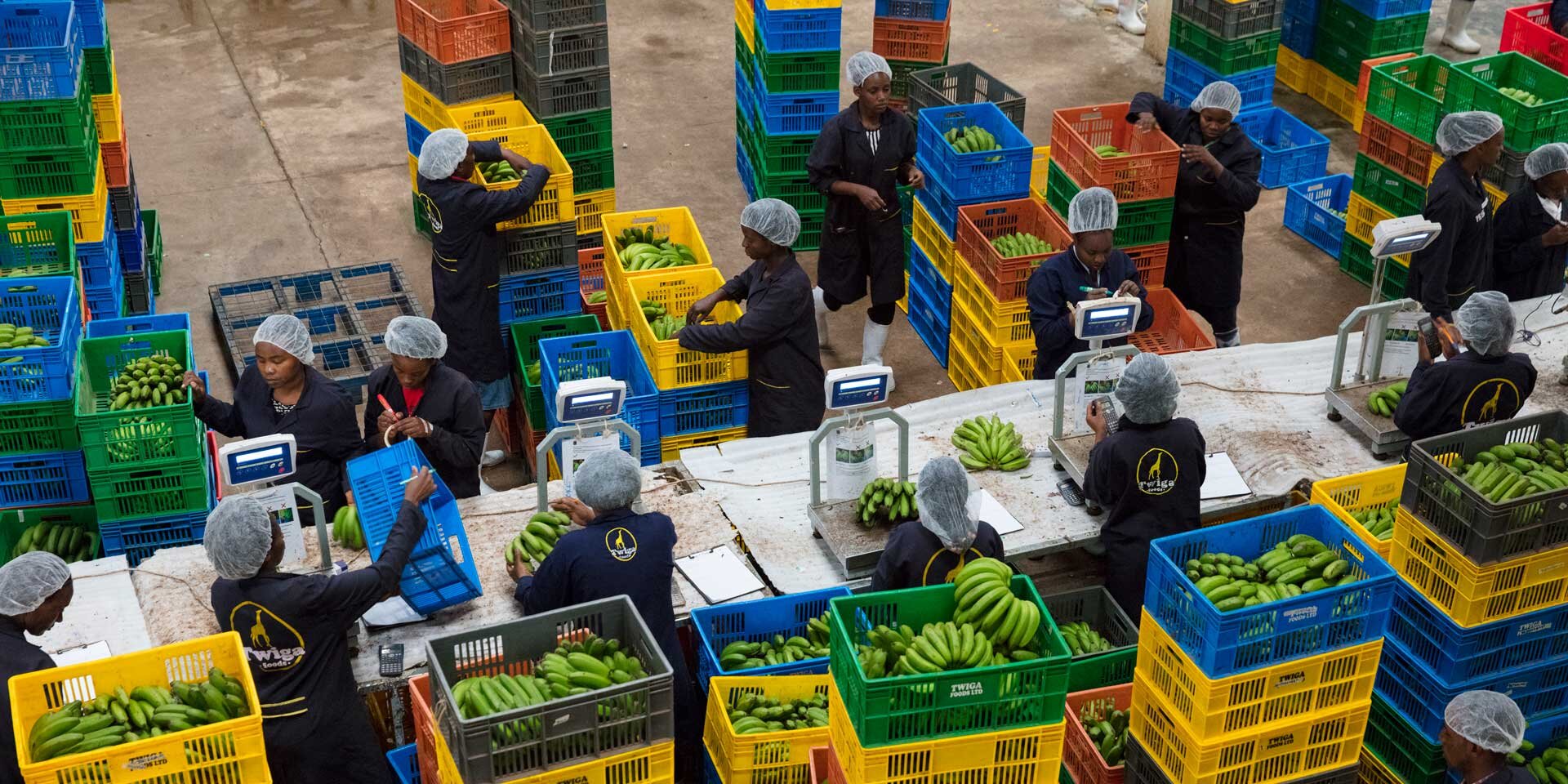
Twiga Foods has launched a multi-million dollar distribution center at Tatu City.

The facility is a world-class 200,000 sq ft and will offer fulfillment by Twiga services to manufacturers, brand owners, and farmers across East Africa.

The automated facility which was unveiled by President William Ruto will see the company expand its overall capacity and ability to deliver a selection of fresh produce, and retail products and provide partners access to over 140,000 customers across Kenya and Uganda.

The state-of-the-art distribution facility is fitted with the latest logistics and warehouse technology. The modern agricultural distribution center has a large capacity storage fitted with racking systems, banana rooms, modern dock door systems, and product scanners which have enhanced food traceability among other functions.

“Today, we are extremely proud of the official opening of the Twiga distribution center. This world-class facility will help push our daily handling capacity to 8Million Kgs. This facility will form the backbone of our supply chain and will be key in enabling our new service, fulfillment by Twiga. This will allow Twiga to offer fulfillment services to manufacturers, brand owners, and farmers, offering distribution across Kenya and Uganda. This will give access to over 140,000 retailers, which will improve product assortment and affordability across the region” said Twiga Group C.E.O, Peter Njonjo.

Cabinet Secretary for Trade, Investment, and Industry, Hon. Moses Kuria together with Mr. Njonjo signed a high-level framework aimed at bridging the gaps in food security in the country.

This framework would focus on “Providing access to the hustler fund for the thousands of retailers on the Twiga Soko Yetu platform to working capital financing, providing off-take from government-built aggregation centers that will provide smallholder farmers with market access across the country, and explore distribution from government-built export warehouses in other African countries to the retail markets taking advantage of Africa

Free Continental Trade Area and giving Kenya companies access to foreign markets” Alongside the continued growth of the independent grocer and food industry in general, Twiga Foods believes that the distribution center will be a great complement to its complete distribution network.

The company has in recent times continued to expand and optimize its distribution center network in its efforts to create an optimized, expansive, and high-quality fresh produce and retail supply network, delivering to customers, a robust national, regional, and local supplier portfolio.

November 29, 2022 0 comment
0 FacebookTwitterPinterestEmail
AgribusinessBusinessRegional

Brooke East Africa Calls for Donkey Protection

by Kwabe Ben November 29, 2022
written by Kwabe Ben

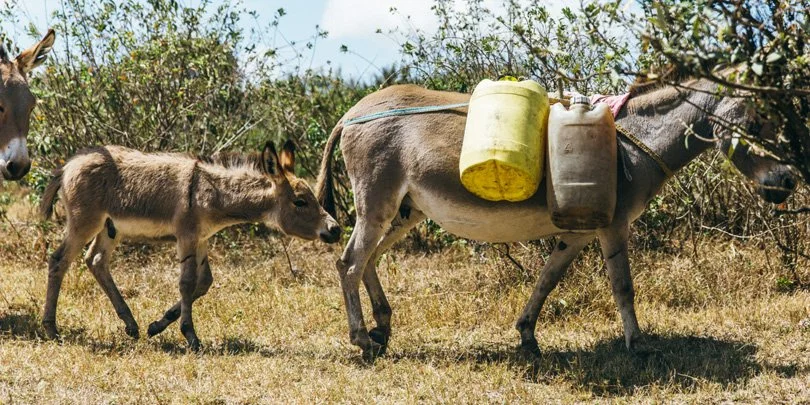
As the Pan African Donkey Conference is to be held this 1st and 2nd December in Tanzania themed Donkeys in Africa now and future, East Africa Brooke is on the frontline advocating for the urgency and importance to protect the welfare of our donkeys to ensure that animal resources are not tampered with. Since its establishment in 2013, Brooke has been fighting for the welfare of the donkeys considering their major role in societies, supporting most home duties and for some providing a source of livelihood.

Brooke has taken a frontline stance of ensuring the donkeys are protected and the farmers/donkey rearers are well informed and educated about the animal welfare entailed in the slogan ‘Mtunze Punda akutunze’.

Donkeys remain a species threatened especially with the famous skin trade that has been embraced in Asian countries and the middle east which turn out to import 35-40% of animal resources. This has raised a concern that saw the African Union endorse an animal welfare strategy in 2018 to curb donkey slaughters that had become rampant. “Considering the rate at which donkeys were being slaughtered and the conditions, the species was slowly being eradicated from within the societies. This atrocity to the donkeys ensued to a measure where family donkeys were being stolen thereby a need for Brooke to chip in and protect these animals in East Africa whereas Brooke of West Africa also got formed in 2020 emphasizing the creeping losses,” urged Dr. Hiver Boussini-AU-IBAR.

In coordination with the World Organization for Animal Health, where standards are set for animal welfare, transporting, killing as well as their trading. These standards are usually reviewed every year in May after an analysis of the guidelines set earlier on and whether they were followed or not.

According to Dr. Samuel Wakhusama, most nations in Africa are not adhering nor implementing the standards for animal welfare. Urging a need for nations to consider animal welfare if there is going to be an increase in the animal resources visualized. For example, animal welfare was also passed by ECOWAS member states in their legislation calling on its members to protect these species from extinction.

Dr. Kinoti Raphael of Brooke East Africa reveals that Kenya was one of the countries that at first didn’t partake in the slaughtering of the animals until 2017/ 18 when the issue became boldly open about skin trade lucratively. At first, there were slaughterhouses for the donkeys in places like Naivasha, Baringo, and Turkana but later the whole situation became a menace to the society as theft of the donkeys rose steadily.

Based on the then reports about 50 cases of donkey theft cases would be reported by rearers to Brooke and the police station as of 2018, which raised the question of the donkey skin trade being a benefit or a loss. This push and pull would lead to the ban on donkey slaughtering by the then CS of Agriculture Munya bearing research from Kenya Agriculture and Livestock Research that stated out of 5 donkeys killed only one would be born. “Our donkeys were headed for extinction and the ban was highly called for to protect them and societies that are highly dependent on them. Even though the ban was placed, there are reports that some are still running underground and investigations are underway on the matter,” said Dr. Kinoti Raphael.

November 29, 2022 0 comment
0 FacebookTwitterPinterestEmail
Health

Aga Khan University, MHAK Prioritises Mental Health

by Kwabe Ben November 28, 2022
written by Kwabe Ben

Kenya has made steady progress in providing mental health services to its population, but some areas require more work.

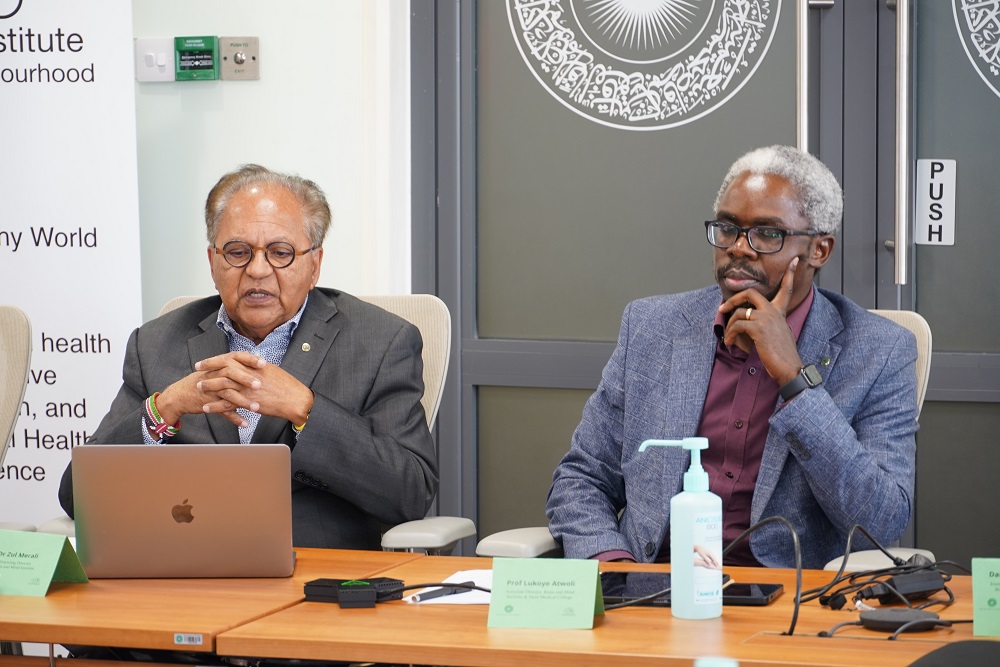
Aga Khan’s University’s Brain and Mind Institute (BMI), in partnership with the Mental Health Alliance of Kenya (MHAK), hosted a consultative forum with stakeholders, including insurance companies, regulators, policyholders, private sector, academia, government, and non-profit organizations, for a roundtable discussion on how to improve efficiency in the insurance sector concerning mental health.


Access to quality insurance for people with certain mental illnesses is still challenging. Many insurance policies do not cover pre-existing conditions except after a year. For example, some private insurance schemes do not cover neurodevelopmental disorders for individual cover holders.

Additionally, all insurance providers have clauses that expressly exclude suicide victims or attempted suicide survivors from insurance claims or coverage.

“Mental health is a human right, and people living with mental illness should not be subjected to unnecessary barriers to access to care,” said Prof Zul Merali, BMI Founding Director.

The socioeconomic progress of people with mental illnesses is impacted, and this happens because of decreased productivity, strained relationships, and cycles of disadvantage and poverty. The health, quality of life, and life expectancy of people with mental health disorders can all be improved by investments in mental health, which can also lessen suffering.

“Treating mental illness has an actual return to the economy. Therefore, we should look at mental health coverage as an investment rather than an expenditure,” said Prof Lukoye Atwoli, BMI Associate Director and Dean, Medical College, East Africa Aga Khan University.

While the newly signed Mental Health (Amendment) Bill states that “a person with mental illness shall have the right of access to medical insurance for the treatment from public or private health insurance providers.” It is clear that there is a divide between practice and policy.

“It is an offense to discriminate against people with mental illnesses, and the law is clear. Moreover, mental health is an essential package in Universal Health Coverage. Still, there needs to be proper pricing for mental illnesses,” said Dr. Nasri Omar, Mental Health System and Policy Lead, Ministry of Health.


Insurance covers that limit mental health conditions include ordinary life, which has no coverage or extension; group life which charges a higher premium; medical, which gives a lower benefit; and group personal accident with the potential of denial of claim and sub-limits.


“We need to explore other options for ensuring coverage for mental health. For example, insurance companies can start by testing excluded mental health coverage and using generated data after a while to make a clearer decision,” said Prof Zul Merali.


The forum was meant to promote the efficiency and effectiveness of claim resolutions for users of psychiatric services and to review the state of insurance regarding mental health services in Kenya. The stakeholders also explored avenues to bridge the gap between policy and practice and carry out comparative best practices studies.

November 28, 2022 0 comment
0 FacebookTwitterPinterestEmail
Newer Posts
Older Posts

Ad

Recent Posts

  • All systems go at the KICC for landmark Africa Forward Summit

    May 9, 2026
  • Wangaya crowned SportPesa premier league player of the month for April

    May 9, 2026
  • ADAS summit in Nairobi unveils Kenya Token™ ahead of 2026 launch

    May 6, 2026
  • Mastercard Expands Blockchain Play with Yellow Card Partnership

    May 6, 2026
  • Only four African economies are structurally ready to industrialise at scale

    May 6, 2026

HANDBOOK LAUNCH

  • Mr. Zacharia Mwangi the Cabinet Secretary for the Ministry of Lands, Public Works, Housing and Urban Development Receiving a copy of Kisumu Handbook
  • LVBC Executive Secretary Dr. Masinde Bwire receiving a copy of Kisumu Handbook
  • Governor Homabay Gladys Wanga Receiving Kisumu Investment Handbook
    Gladys Wanga, the Governor for Homabay receiving a copy of Kisumu Investment Handbook
  • LVBC Executive Secretary Dr. Masinde Bwire receiving a copy of Kisumu Handbook
  • Mr. Zacharia Mwangi the Cabinet Secretary for the Ministry of Lands, Public Works, Housing and Urban Development Receiving a copy of Kisumu Handbook
  • Governor Homabay Gladys Wanga Receiving Kisumu Investment Handbook
    Gladys Wanga, the Governor for Homabay receiving a copy of Kisumu Investment Handbook

Upcoming Handbook Editions

The East African Business Times Limited @2025 - All Right Reserved.


Back To Top
The East African Business Times
  • Home
  • Business
    • Finance & Banking
    • Insurance
    • Entrepreneurship
    • Agribusiness
    • Technology
      • Cyber security
      • Mobile
    • Property & Real Estate
  • Special reports
    • East Africa
    • Awards & Recognition
    • Climate Change
    • Energy
    • Lifestyle & Entertainment
      • Health
      • Tourism
      • Sports
  • Opinion & Analysis
  • Media OutReach Newswire