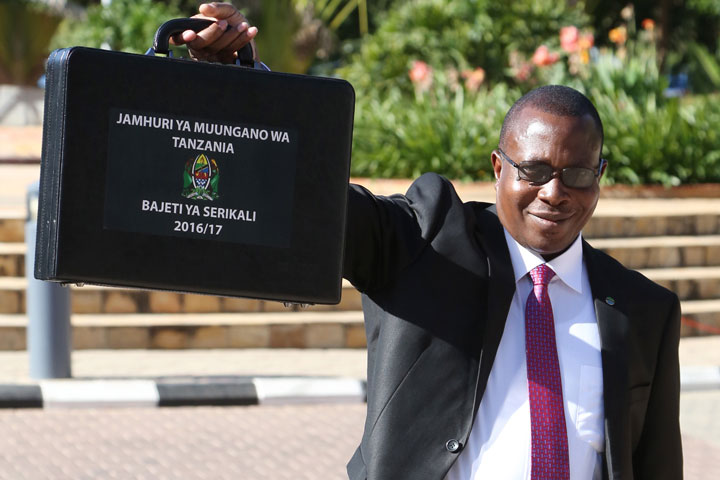
Tanzania outlines austerity measures to fund deficit
Tanzania outlines austerity measures to fund deficit
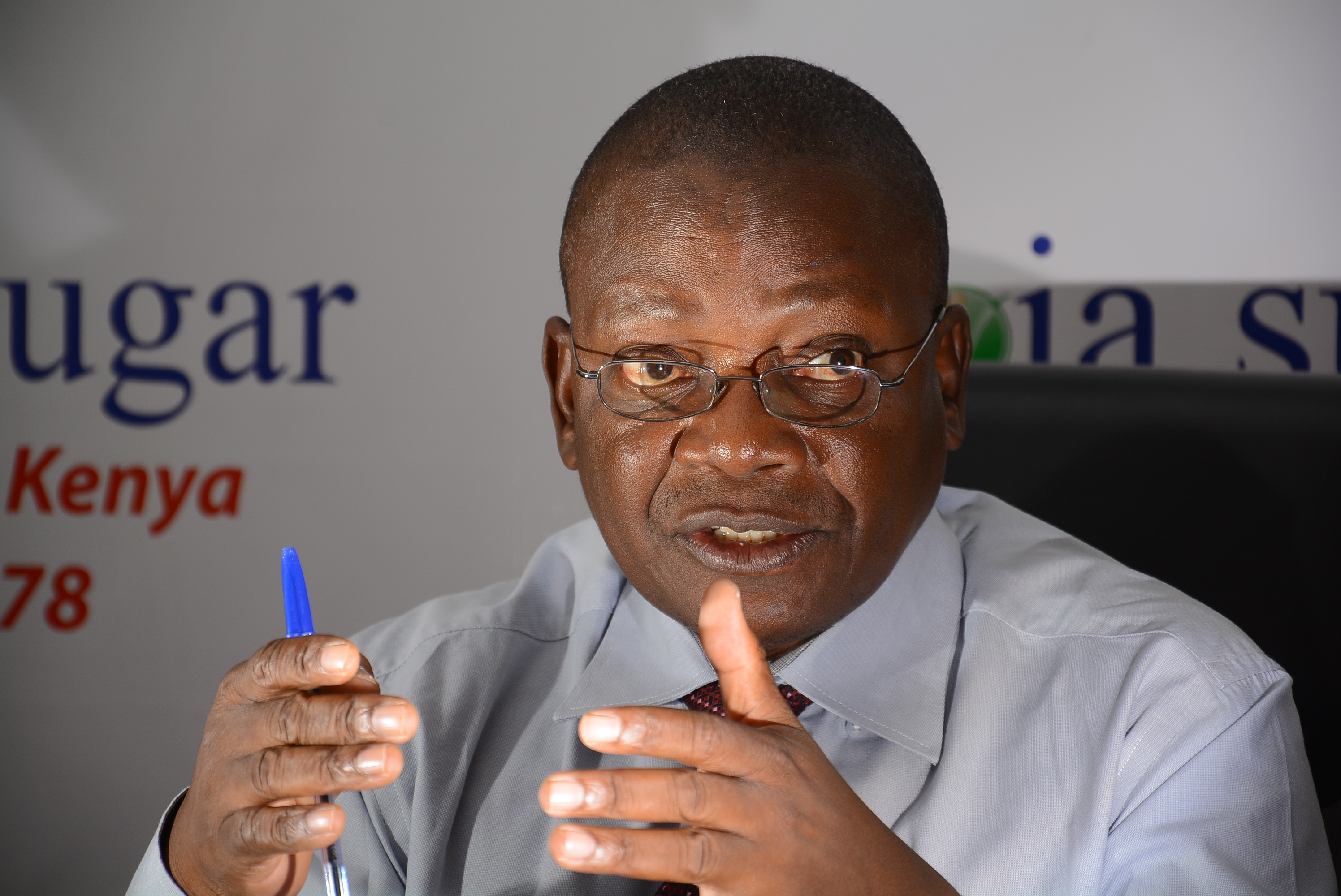
Through innovation and decisive initiatives, Nzoia Sugar is changing the lives of farmers and preparing to take the battle to Comesa
Fall to 3 per cent the most lethargic in the last decade

Region emerging as hot bed of opportunities in continent’s real estate sector
By Jacob Otieno
Are you planning to invest in East Africa but are still not sure where to put your money? Think no more!
The region’s real estate sector continues to boom. Industry experts say things could get even better for developers and investors moving forward.
Urban Studies, one of the leading property research companies in Africa, shows in its 2016 report that the prospects for economic growth are high in East Africa compared to any other region in Africa, therefore making the region more attractive to property investors and developers.
The report further shows that in 2016 alone, more than Ksh 25.27 billion (US$250 million) have been invested in real estate developments in East Africa, yet there is a rising demand for residential, retail and office space in the region.
In Kenya, the growing demand for shopping center space has paved way for the development of an additional 200,000 square metres of shopping centre space in Nairobi.
The Nairobi office market currently constitutes an estimated 1.6 million square metres and continues to experience strong growth, especially in the areas of Westlands, Waiyaki Way and Upper Hills.
“The demand for office space is set to increase as Nairobi is increasingly seen as a regional business hub for the international businesses,” states the Urban Studies report.
Also of importance to not is that there is a relatively low supply of low-end residential houses compared to the middle-income and high end market, though demand remains high in both cases.
When it comes to the industrial market, the Nairobi Industrial Market (NIM) Report 2016 indicates that the city has for the most part been low key, but an increase in demand has been noticed especially along Mombasa road.
“Demand for industrial serviced plots has been on the rise in the past three years,” the NIM report indicates.
Development of the US$ 1 billion Konza Technology City as well as the planned textile city in Athi River is expected to accelerate growth in the country’s industrial market segment.
Tanzania has also been showing significant progress in the real estate sector.
A robust and steady economic growth, increasing urbanization and a greater number of foreign companies entering Tanzania has led to strong demand for better office and retail space going by the Urban Studies report.
Milimani City, which covers 19,000 square metres, remains the largest retail development in Dar es Salaam with various small shopping malls scattered across the city. The Slipway on the Peninsula is the most high-end retail offering in the city today.
The proposed developments in Tanzania, including a US$ 300 million mixed-used development to be built in Oyster Bay, is expected to go a long way in meeting soaring demand in the country’s property market.
The other East African countries are not to be left behind. For instance, Marc Du Doit, Knight Frank Head of Retail says there are currently no malls in Rwanda similar to those in cities such as Nairobi, Kenya, and Kampala, Uganda. This he argues present a great opportunity for those eying the East Africa retail market.
Contributing Factors
Economic analysts like Neville Mandimika of Rand Merchant Bank confirm that East Africa is currently the fastest growing region on the continent with its growth expected to hit 6.7 percent in 2016 from 5.6 percent and eventually accelerate growth in the region’s real estate sector.
“We have seen a distinct shift in momentum from West Africa to East Africa. This has been driven by economic uncertainties in the Western Africa markets, whereas East Africa markets have relatively strong growth prospects and currency stability,” says Anthony Lewis, Head of Capital Markets for Jones Lang.
Lewis adds that investors are also witnessing great progress in the development of domestic capital markets, infrastructure and trade through the regional integration of the East African economies.
But there are other contributing factors.
Anton Borkum, the CEO of Stanlib Fahari I-REIT, argues that the establishment of the first Income Real Estate Investment Trust (I-REIT) in East Africa will boost the region’s property market.
As for Robert Broll, Lease Consultant of Broll Property Group, East Africa has been earmarked as Africa’s next frontier for retail expansion following what is believed to be a saturation of shopping centres in South Africa and tougher economic conditions in West African countries like Nigeria and Ghana.
“A number of retailers and developers have shown commitment investing in East African markets as their growth strategy,” he argues.
However, challenges in the region still remain.
Gerhard Zeelie, Head of Real Estate Finance, Standard Bank, says scarcity of supporting infrastructure, potential oversupply of retail and office space, and the lack of debt funding are causes for concern.
“Access to cost effective, funding and understanding the dynamic nature of the regulatory environments in the sub-Saharan Africa also remain great challenges,” he adds.

A few rogue bankers have blemished the sector’s image, and the government must clean up mess and restore confidence
By Jacob Otieno
The International Monetary Fund (IMF) warned Kenyan lenders about reckless lending habits. But it seems they ignored the warnings and continued with business as normal.
In a report released in February 2015, the IMF noted that though the local banking sector remained robust and sound, the lenders were not setting aside sufficient reserve funds to cushion themselves against bad debts.
IMF argued that in the event that a huge number of borrowers defaulted on their loans, local lenders could be exposed to a serious cash crunch and even collapse.
A few months later, after IMF raised the red flag on bad debts, it emerged some local banks were already broke. This left thousands of depositors, investors and the public in panic and with dwindling trust in the financial sector.
The local banking sector has also been tainted by increasing cases of fraud and gross misconduct involving bank workers and top managers, some of who have since been suspended, and several others being investigated.
However, the Central Bank of Kenya (CBK), the sector regulator, has been swift in reaction to, among other things, the concerns raised by IMF and in exercising its mandate of ensuring that there is a proper functioning, stable, and inclusive financial system.
Restoring trust
In less than a year, CBK, spearheaded by Governor Patrick Njoroge – the institution’s 9th governor and successor of Prof Njuguna Ndung’u who retired in March 2015 — has shut down three commercial banks, a move that has attracted praise from industry experts and political leaders including President Uhuru Kenyatta.
The President commended Governor Njoroge for the radical sector clean-up, reassuring the public that the long arm of the law will catch up with unscrupulous bankers.
But is it right to say the Kenyan banking sector is in crisis at the moment? Industry experts disagree.
“Yes, there is some lost confidence in the banks, which we must strive to restore. But we haven’t gotten to the level of a crisis,” says Habil Olaka, chairman of Kenya Bankers Association (KBA).
Patricia Wena, director of Platinum Consulting Kenya and former banker also thinks the financial sector has lost trust in recent past, urging the government to work towards rebuilding public trust in the system.
“When customers lose trust in the financial sector, then there is a problem. Right now Kenyans are looking at the banks and asking, is it safe for our money?” We must regain the trust,” says Wena.
Sector crackdown
The crackdown on rogue banks began with Dubai Bank Kenya Limited. According to CBK, the bank was experiencing serious liquidity and capital deficiencies and was unable to meet its financial obligations, thus compelling it to shut it down on 14th August 2015.
Dubai Bank, estimated to be worth Ksh 2.92 billion (US$34.4 million) in total assets as at 2013, was founded in 1982 and started operations as a branch of Bank of Oman before receiving license in April 2000.
The collapse of Dubai Bank left over 7,000 customers in panic and confusion even as the regulator assured them of their deposits, which totaled to about KSh1.7 billion (US$16.82 million) going by CBK’s 2014 Banking Supervision Report.
Pursuant to the provisions of the Kenya Deposit Insurance Act, 2012, the regulator appointed Kenya Deposit Insurance Corporation (KDIC), formerly known as Deposit Protection Fund Board (DPFB), as the new manager of Dubai Bank for a period of twelve months.
That, however, was just the beginning of the government’s extensive banking sector clean-up exercise.
Roughly three months following closure of Dubai Bank, another lender was in trouble. The managers of Imperial Bank Limited (IBL) could not explain why their financial statements did not reflect their accurate capital position as required by the law.
A series of investigations by CBK also unearthed massive fraudulent activities at IBL, including irregular granting of loans contrary to the legal and regulatory requirements.
Consequently, as a result of the IBL’s substantial shortfall in its financial position, it was placed under receivership on 13th October 2015. CBK appointed KDIC to assume control of the bank.
The collapse of IBL threw into uncertainty fate of more than 50,000 depositors holding about Ksh 47.15 million (US$ 466, 283) in total deposits going by CBK’s 2014 Bank Supervision Annual Report.
The regulator notes that IBL’s shareholders failed to provide adequate assurances to implement a proposal that could have led to its immediate reopening and resumption of normal activities.
Furthermore, to safeguard the interests of depositors and investors of the ill-fated bank, KDIC with the approval of CBK entered into a joint agreement with Kenya Commercial Bank (KCB) and Diamond Trust Bank (DTB), on 2nd December 2015, to pay IBL depositors.
Though several cases have since been filed in the High Court by IBL’s shareholders, CBK insists KDIC will remain in control of the bank’s assets and liabilities as stipulated in the Kenya Deposit Insurance Act.
And if you think the IBL case was the most alarming, rethink it over. It is the case of Chase Bank Limited that really shook the industry.
In the last quarter of 2015, Chase Bank lost about Ksh 15 billion (US$ 148.35 million) in deposits, translating to about 14 percent of its deposit books. This alone was a red flag.
What was more shocking at Chase Bank was that while they were losing deposits, the bank increased its lending by Ksh 30 billion, (US$ 296.69 million), amounting to over 30 percent of their loan book.
Even more ridiculous, CBK’s investigations revealed that a huge chunk of the loans were taken by the bank’s directors. It made absolutely no sense why the lender was borrowing more than the borrower.
As a result of the weak financial position and glaring incidents of fraud and gross misconduct at Chase Bank, CBK on 7th April 2016 placed the bank under receivership with KDIC as the receiver.
“The fall of chase bank was a result of complete recklessness and failure of both its management and the board,” says Sunil Sanger, the managing director and owner at Orion Advisory Services.
The bank’s closure rendered over 50,000 customers with about Ksh 95 billion (US$ 939.34 million) in deposits financially disoriented and in pain as some could not settle their monthly bills or transact business.
The other bank that has fallen under the CBK’s radar for alleged unethical misconduct and possible case of fraud involving top managers is the National Bank of Kenya (NBK).
The shutting down of three banks, Dubai Bank, Imperial Bank and Chase Bank, all under a year and the ongoing investigations at NBK have shaken the market and caused unnecessary panic in the public.
Due to the increasing concerns in the banking sector, both the National Treasury and CBK have assured the general public that the financial sector is stable and therefore there should be no panic.
CBK has gone ahead to introduce a facility that will caution commercial or microfinance banks that may come under liquidity pressures beyond their control.
“The regulator will avail the facility for as long as is necessary to return stability and confidence to the Kenyan financial sector,” says Governor Njoroge.

Mobile service provider brings banking services closer to the rural folks
By Tullah Stephen
Mobile money is paving the way for greater financial inclusion and transforming the way consumers transact with one another in Tanzania.
Mobile service providers have been on the forefront in ensuring that mobile money services are brought closer to the people in rural areas.
Such companies have been complementing the government’s efforts to even out imbalances that inhibit Tanzanians from carrying out financial transactions. Among the companies leading Tanzania’s financial inclusion is Millicom International Cellular SA (MIC), which trades as Tigo in Tanzania.
Since launching its inaugural mobile money platform, Tigopesa in 2014, the firm has gone on to introduce other innovative products that have not only seen its subscriber base grow, but also resulted in it being ranked the second most successful mobile finance service provider in Tanzania.
Today Tigo has 5.2 million of the country’s 17 million subscribers.

Diego Gutierrez, General Manager Tigo Tanzania
CEO Diego Gutierrez says the key is innovation, which is bringing about new digital financial tools that address the lack of access to the formal financial system in many developing economies. “Tanzania has a great appetite for innovation and we have created world-firsts with products such as universal mobile money interoperability that began in 2014, and international transfers with currency conversion, among others.”
In 2014, Tigo Tanzania became the first telecom company in the world to share profits generated from its mobile money Trust Account in the form of a quarterly distribution to customers. The revenue share model is in line with a Bank of Tanzania (BoT) policy that allows the country’s mobile operators to increase e-money deposits and mobile money transactions through new loyalty incentives. BoT is the country’s central bank.
Mobile money, Gutierrez explains, has emerged alongside microfinance as an imperative tool for financial inclusion, enabling the population to access services such as electronic transfers, payments and savings. The development of mobile money as a means of financial inclusion has been encouraged by mobile phone penetration in developing countries like Tanzania.
According to BoT, Tanzania is at the top of the pile in financial inclusion in sub-Saharan Africa. The country is also ranked sixth globally for providing the most conducive environment for financial inclusion by the Intelligence Unit of the Economist through its Global Microscopic Surveys conducted in 2014 and 2015.
Recently, Tigo launched a first of its kind product dubbed TigoNivushe, which gives customers immediate access to small loans with different repayment periods and administrative costs based on the duration of the loan.
The loans — an average of Tsh10,000 (US$5) — are processed in real-time and funds are transferred in minutes. As customers build up their credit history, they are able to borrow larger amounts with lower administration fees. Loans are delivered directly to the mobile wallet so customers can immediately use the funds to pay bills, transfer to others, or cash out at the thousands of agents across the country.
According to Gutierrez, Tigo is learning from its customers in regards to what they want and how they want it delivered. “For us this is crucial to the success of mobile money products. Through this we can also pull down barriers to financial inclusion by continuing to support initiatives that reach the population as well as deliver education about personal finance.”
By ensuring that mobile money services are closer to the local people, Gutierrez says Tigo is complementing the government’s efforts to narrow the gap between the rich and poor, helping increase the country’s economic security and stability.
Tanzania is one of the leaders in mobile money penetration and one of five countries in the world where more adults have a mobile money account than in a conventional financial institution.
The Global Findex Data reports that 32 per cent of adults in Tanzania have a mobile money account. In east Africa, the country is second to Kenya where some 58 per cent of adults have such accounts. Uganda and Somalia follow with 35 per cent.
The Monetary Statement of the first half of the 2015/16 fiscal year also reports that BoT targets to have at least 70 per cent of the population living within five kilometres of a financial access point by 2017. This target follows the country’s exceptional performance in the usage of formal financial services among the unbanked population that surpassed its initial target by 50 per cent of adult population in 2014.
In line with this policy, Tigo has recruited over 50,000 merchants across the country to ensure a seamless network of customers accessing TigoPesa mobile services. Currently, the telco has 44 shops in the country and there are plans to open more.
Initiative promises cleaner environment for workers, residents and fish
By Tullah Stephen
There is a new way of thinking at the port of Mombasa and everyone stands to benefit.
The Kenya Ports Authority (KPA) has initiated a Green Port Policy to turn the facility into a premier port in Africa. For every port-area worker, resident and fish, this new “green” ethic promises a cleaner harbour, soil and skies.
Environmental degradation in the Indian Ocean has been giving the KPA management sleepless nights. The rapid growth of the coastal urban centres and fast development of the tourism sector produce vast quantities of pollution from untreated domestic sewage, posing a threat to the near-shore habitats such as coral reefs.
Mombasa produces a high concentration of greenhouse gas emissions from ships that use heavier fuel and running generators while in port. A study by experts from Cornell Group on the impact of KPA’s port operations on the environment found that Mombasa Port emitted more than 330,000 tonnes of carbon emission credits. Fuel consumption emitted 17,800 carbon credits, electricity consumption emitted 4,108 carbon credits while ships, rail and road transport were the major emitters in 2012 with a total of 133,200 carbon credits.
“Environmental degradation is bad for trade and business growth, especially when it directly affects the health and productivity of workers and neighbouring communities,” says Justus Nyarandi, the general manager Corporate Service at KPA.
It is for this reason that KPA, with technical and financial assistance from TradeMark East Africa (TMEA), has initiated the Green Port Policy to transform Mombasa a leader in the East and central African region in 10 years and a world leader in 20 years.
The policy, according to Nyarandi, will introduce practical and implementable strategies focusing on reduction of electricity and fuel consumption by vessels, trucks and port equipment. It will also see the port invest in green technology in terms of capital and operations.
Once the policy is in full force, Nyarandi says, the port will explore cleaner energy for use by ships. “Only new technologies and equipment that are either electric powered or use ‘clean fuel’ will operate at the port.”
The policy, the first of its kind in east Africa, was inspired by a similar initiative at the Port of Long Beach in the US. Long Beach management was alarmed by the rapid expansion and pollution.
In 2007, Long Beach launched the first stage of its Clean Air Action Plan by approving a Clean Truck Programme that banned older diesel vehicles from serving the port. It adopted its internationally recognised Green Port Policy in 2005 to reduce pollution in the growing region of Los Angeles, Long Beach.
The policy set a framework for enhancing wildlife habitat, improving air and water quality, cleaning soil and undersea sediments and creating a sustainable port culture. Its efforts have seen it win the American Association of Port Authorities Environmental “E” Award, making it the first harbour in the Western hemisphere to receive this.
Key to the success of the Green Port Policy in Mombasa, Nyarinda says, is engaging the community and the county government. The KPA management, he says, is already working on a programme that will mobilise the community, port workers, the County Government of Mombasa and other stakeholders in planting trees to enable the port comply with ISO 14001 certification.
The modernisation of the port will further enhance quality of service and management in the daily operations of the port which impact directly on the lives of people.
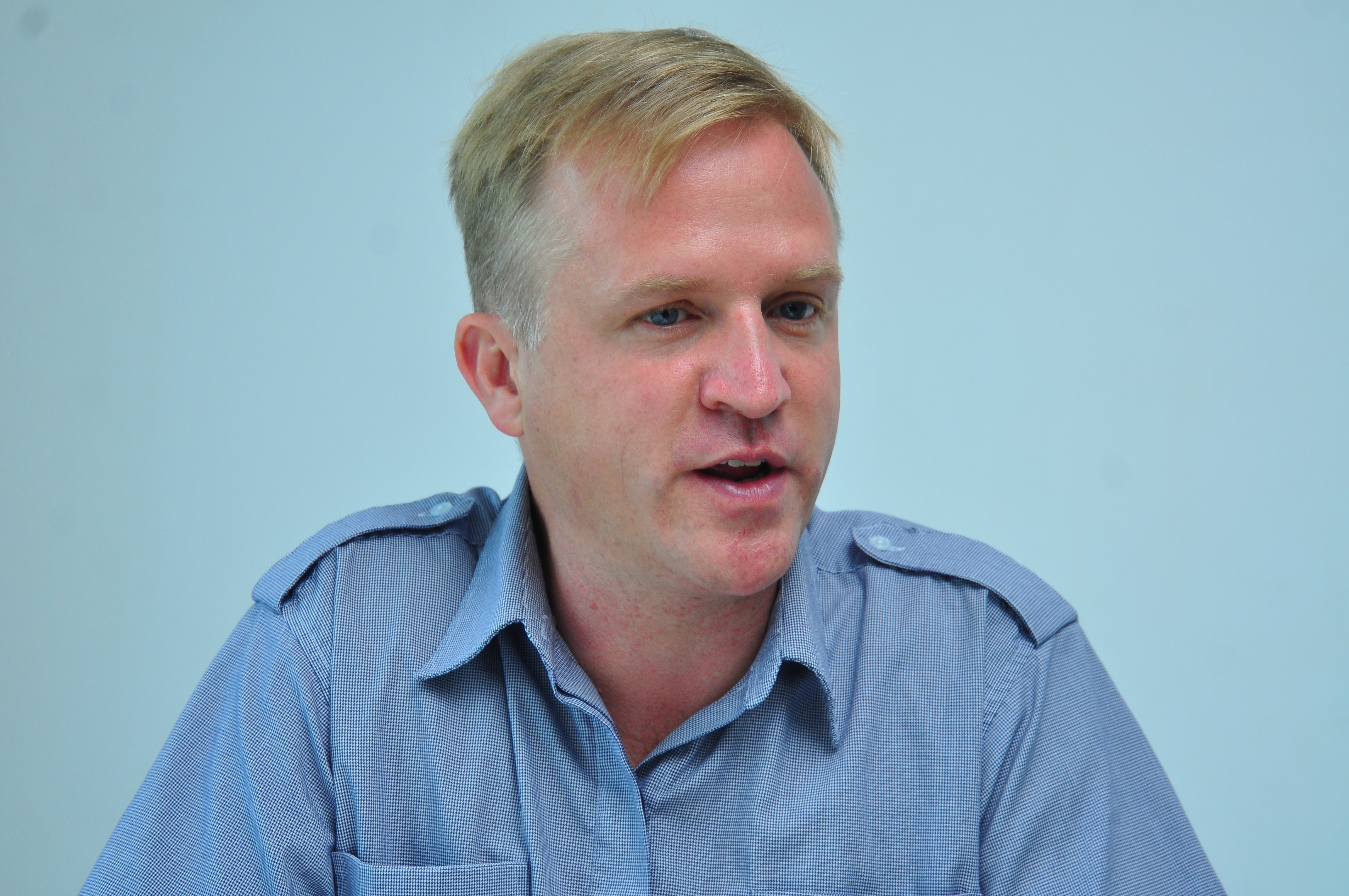
Financier relies on use of mobile phones to check your creditworthiness
BY Tullah Stephen
Lenders have long relied on borrowers’ payment history to underwrite and make micro-loans. Often, this process relies on physical banking locations or branches and lending and collections officers filling application forms.
These traditional ways of lending, according to users, is far more expensive with high interest rates as well as lenders having to visit borrowers at their work premises to assess their ability to repay. A rigorous background check and lots of paper work then follow, a tedious and time consuming process.
However, financiers are now looking at innovative ways to bring loan facilities closer to the people and what better way than through their mobile phones.
In August 2015, Matt Flannery, former CEO and founder of Kiva.org, a non-profit lending platform leveraging on the internet and a worldwide network of microfinance institutions to lend to people, launched Branch International Inc, a mobile-based micro-finance institution.
Flannery, a Skoll Awardee and Ashoka Fellow, developed Kiva in 2004 as a side-project while working as a computer programmer. In December 2005, he quit his job to devote all his time to Kiva.org. And for 10 years as CEO, Flannery led Kiva’s growth to an established online service with partnerships in 80 countries. It was also during this period that Kiva lent out over $700 million to entrepreneurs.
Flannery left Kiva to venture into the start-up world by creating Branch International which, according to Flannery, is more of a branchless bank. “The Branch app is like a virtual bank and cannot be accessed at physical premises but through the user’s smartphone.”

Mr Flannerry with the Branch Team in Nairobi
For one to access the service, they are required to download the Branch app and fill out a short application form. This ensures that the users give consent for the app to scan through their handsets. “By installing the app, users themselves give branch access to any information that may help assess their creditworthiness. These include things like texts and email, to the duration of their calls.”
After scanning through the machine learning systems then processing data points obtained from the handsets, contact lists, social network data, GPS data and SMS logs to evaluate the user’s credit profile, the loan is then disbursed to the user’s mobile money account.
Flannery says once the loan is repaid on time, users then build on their credit history which in turn unlocks larger loans and better rates.
“Initially Branch offers interest rates of between 16 to 18 per cent. But as one borrows more, the rate depreciates to as low as six per cent.” The loans, he adds, can be repaid in a period of between two weeks to six months.”
In the six months Branch has been in operation, the app’s growth has been exponential. “Anyone who starts such a company is likely to be popular quickly because demand for the service is huge. We started it as an experiment but now managing the growth has been our biggest challenge.”
Currently, the app has over 100,000 downloads with over 40,000 people requesting for loans. Loans range from between Ksh5,000 (US$50) to a maximum of KSh50,000 (US$500). So far, branch has disbursed close to US$1 million. Unlike its competitors, Branch focuses on long-term lending and does not require collateral.
Flannery, a BSc in Symbiotic Science graduate, says that as a start-up, the artificial intelligence has been helpful. Such insights have helped the company reduced its default rate from 25 to five per cent.
Though Africa has witnessed a mobile revolution, Flannery believes that financial institutions are yet to fully take up opportunities available in mobile banking networks, especially on financial lending.
“Kenya has a growing tech savvy middle-class population, a majority of who are between 18 and 35. This group is predisposed to hate banks but would like financing and are willing to pay a fee upfront to split a payment over several months.”
However, he acknowledges a wave of start-ups using unconventional information to decide customer creditworthiness, saying this is the next frontier. Underwriting algorithms have begun to recognise that infrequent travel, fast-draining batteries and sending more texts than one receives, evening phone calls, as well as gambling are important in determining creditworthiness.
Straight from raising US$9.6 million equity funding from venture capital firms Andreessen Horowitz, Khosla Impact, and Formation 8, Flannery says Branch plans to expand into new markets and its first stop will be Tanzania. Apart from expansion plans, the company is also looking at further developing the product
While there has been concern about the nature of data the app collects in regards to privacy, Flannery assures users that the company will not sell information to third parties or use it for unauthorised procedures. Moving forward, he says the company is now focusing on how to integrate the app to enable users access loans across the borders.
ENDS
Ecobank Transnational Incorporated, parent company of the Ecobank Group, on Monday 17th May, announced the appointment of Mr Amin Manekia as Group Executive of its Corporate & Investment Banking business. Mr Manekia steps into the position vacated in late 2015 by Mr Charles Kié, who moved to become Managing Director of Ecobank Nigeria.
Mr Manekia’s appointment as Group Executive of Ecobank’s Corporate and Investment Banking business takes effect from 4 July 2016. He will report directly to the Ecobank Group CEO and be responsible for the following business lines: Corporate Banking Group; Transaction Service Group; Investment Banking Group; Fixed Income, Currencies & Commodities (Treasury); and Securities, Wealth and Asset Management.
A national of Pakistan, Amin Manekia joins Ecobank with 28 years of international corporate banking experience. It includes an excellent grounding in transaction banking, commercial banking, credit risk and general management. His career spans various business and regional leadership roles across different parts of the world, notably the United States, Eastern Europe, Africa and the Middle East.
Mr Manekia was most recently with Citigroup, where he spent 25 years of his career. He joined Citigroup directly from university in the United States in 1988, moving to South Africa earlier this year as Managing Director and Africa Head for Citi Securities and Banking. In this role, he successfully led Citibank’s Institutional Clients business.
Before his move to South Africa, Mr Manekia spent two transit years at the Samba Financial Group in Saudi Arabia. There, he was the executive responsible for rebuilding the Kingdom of Saudi Arabia’s corporate banking portfolio following the financial crisis. Prior to this, he held various positions with Citibank in different businesses and regions. These included his Nairobi-based role as Managing Director & Banking Head for East and Southern Africa, with business management responsibilities for corporate banking for that region. In 2007, he was the Commercial Banking Head across Citibank’s Africa platform.
As Citibank Country Head for Bulgaria from 2004 to 2007, Mr Manekia successfully led the execution and development of a transformation strategy, which he achieved by quadrupling the bank’s business revenue base within his three-year tenure. In 1993, he relocated from New York to Pakistan, where he worked on the origination side of the business. During his six-year tenure in Pakistan, he held a series of corporate banking roles in Karachi and Lahore. Amin Manekia holds a degree in Business Administration and Finance from Boston University School of Management.
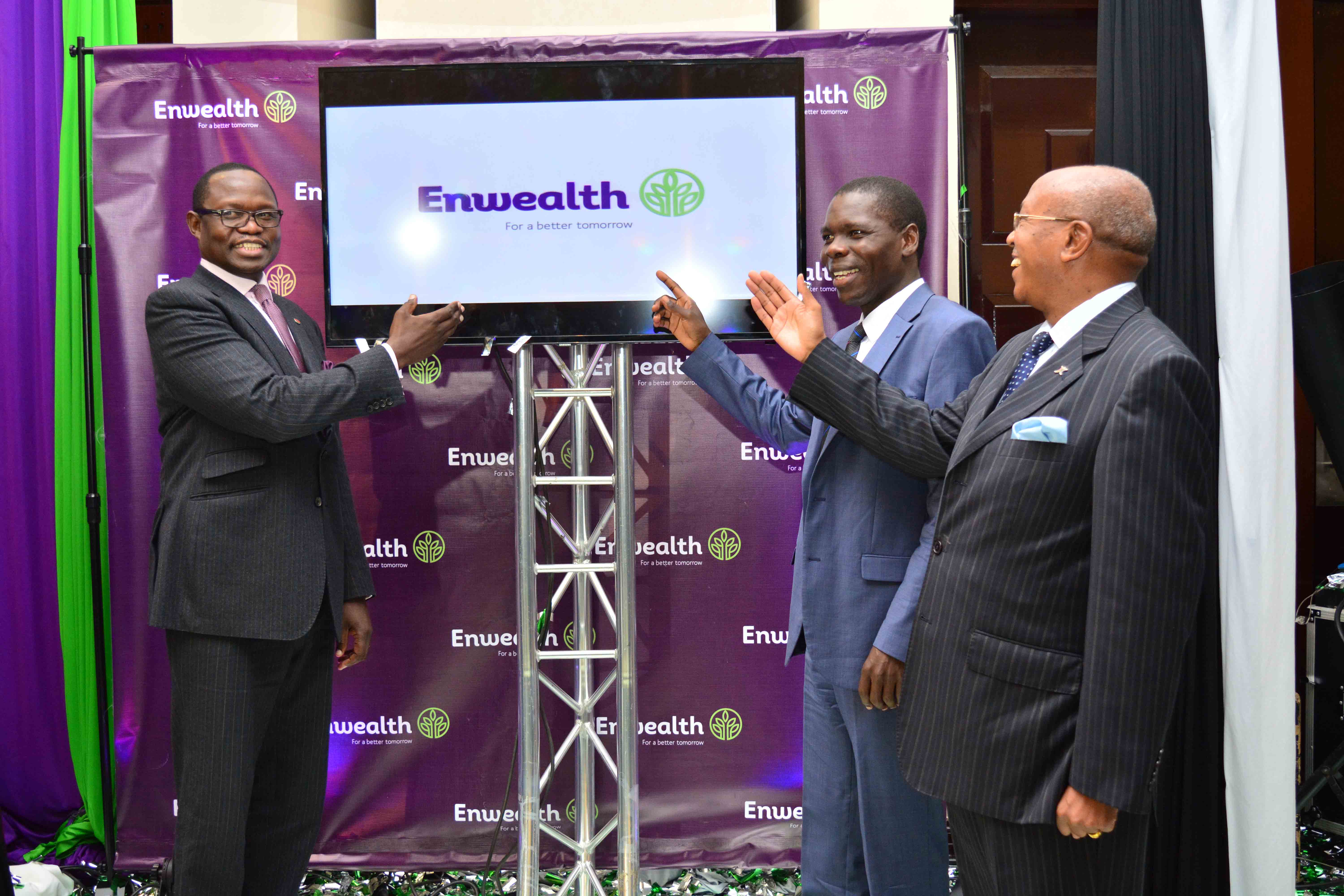
Liberty Pension Services, on Friday, re-branded to Enwealth Financial Services in a move that takes the brand full circle. The financial service company sees a massive overhaul of its brand with a new logo and website. The re-brand comes five years after the company’s inception.
According to the firms CEO Mr Simon Wafubwa, the re-brand has nothing to do with the name but rather as part of a growth strategy increase its market share from 5to 20 percent as it ventures out into the SME market.
Mr. Simon Wafubwa said, “Enwealth’s commitments to ethical business practice and desire to grow past its 5 percent market share, has seen the company craft innovative social security financial solutions that have not only created employment opportunities to serve more than 100 clients but also see its fund value grow to over 40BN in a very short period of time.”
Enwealth also plans to grow its footprint into the African Region with a more comprehensive product offering that includes the post- retirement healthcare funds for retirees and a diaspora pension scheme for retirees. “As we embark on the next phase of this journey, we expect to leverage on technology to drive our market share from 5per cent to 20per cent,” said Mr. Wafubwa.
In line with its commitment to good corporate governance, the company recently appointed Mr. Nelson Kuria the former group MD for CIC, as it’s Board Chair.
On his part Dr. Edward Odundo, CEO at RBA, who was among the guests at the re-branding ceremony, noted that the industry is on a steady growth path. “The industry is expected to hit the KSh1 trillion mark by end of 2016 should we maintain the growth momentum of the assets base at 10per cent annually.”
“This is a clear indication of the critical role that the pensions industry plays in the economic growth agenda of the nation,” he added. The retirement benefits industry assets have grown tremendously from KSh50 billion in 2000 to KSh814 billion in 2015.