The East African Business Times
  • Home
  • Business
    • Finance & Banking
    • Insurance
    • Entrepreneurship
    • Agribusiness
    • Technology
      • Cyber security
      • Mobile
    • Property & Real Estate
  • Special reports
    • East Africa
    • Awards & Recognition
    • Climate Change
    • Energy
    • Lifestyle & Entertainment
      • Health
      • Tourism
      • Sports
  • Opinion & Analysis
  • Media OutReach Newswire
Covid-19HealthLeadershipOpinion

Africa faces another vaccine apartheid in the fight against monkeypox

by Dr. Echey Ijezie October 25, 2022
written by Dr. Echey Ijezie

Even after the novel coronavirus exposed glaring flaws in the world’s collective ability to respond to infectious disease outbreaks, we are seemingly back to the old ways, as evidenced by the global response to the now endemic monkeypox. The world may once again lose a chance to control a pandemic.


The zoonotic viral disease, which is already endemic in 10 countries in West and Central Africa, only drew the world’s attention after affecting people in rich countries in the Global North. Even after the disruption caused by Covid-19, wealthy countries’ self-destructive unwillingness to cooperate for the benefit of the entire global population is evident again.


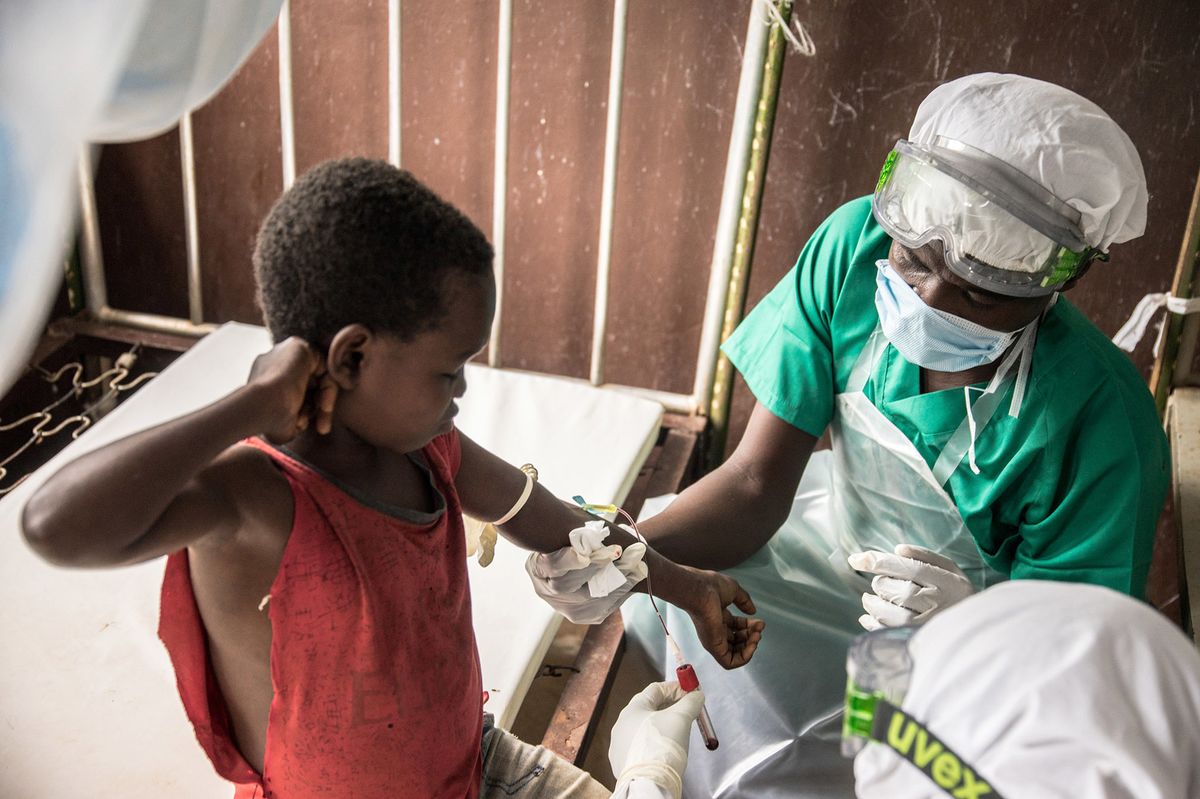
This year, there have been dozens of monkeypox cases in Cameroon, Nigeria, and the Central African Republic (CAR), with the Democratic Republic of the Congo (DRC) reporting the highest number of infections with over 2,938 cases and 110 deaths. As of Sep. 9, the Africa Centres for Disease Control and Prevention (A-CDC) reported 4,244 total cases (520 confirmed, 3,724 suspected) and 124 deaths. There are nearly 58,000 cases globally, with 125 countries reporting at least one case.


African health officials still face the challenge of undercounting due to limited surveillance and testing capacity, which explains the vast discrepancy between confirmed and suspected cases. Additionally, the absence of vaccines for front-line healthcare workers and laboratory technicians in affected countries puts them in imminent danger.


In July of this year, the World Health Organization (WHO) designated the global monkeypox outbreak a public health emergency of international concern (PHEIC). Researchers in Africa had hoped that the declaration—the highest alarm by WHO outside of a pandemic—would alert the world to support Africa’s fight against the disease. Sadly, that has not been the case.


The WHO PHEIC label means that a coordinated international response is needed to unlock funding and global efforts to collaborate on sharing vaccines, technologies, and treatments. Researchers and health officials in Africa are wary that, as with the Covid-19 vaccine apartheid against African countries, the continent will continue to be sidelined in its bid to secure enough vaccines.


To date, though WHO member states have pledged more than 31 million smallpox vaccine doses to the global body for smallpox emergencies — these vaccines have never been shared with Africa for use against monkeypox.


Monkeypox is transmitted to humans through contact with infected animals’ blood, bodily fluids, or cutaneous or mucosal lesions. Infections in humans occur by handling infected monkeys, Gambian giant rats, and squirrels, with rodents the most likely reservoirs of the virus. The current outbreak is the largest in history outside of Africa, and human-to-human cases primarily occur among men who have sex with men.


Symptoms include fever, intense headache, swelling of the lymph nodes, back pain, muscle ache and, lack of energy. There could be skin rashes that begin on the face and spread to other parts of the body [including the genitals] and evolve to pustules and crusts, according to A-CDC.


Scientists have identified the existence of two known virus strains in the endemic regions in Africa, with the Congo Basin showing more lethality with a mortality rate of up to 11% in some of the outbreaks. According to WHO, the monkeypox fatality rate is typically 3-to-6%.


The WHO reports that monkeypox appears more common in squirrel, rat, and shrew species, occasionally spilling over into the human population, spreading mainly through close contact. Isolating infected people typically helps limit transmission.


WHO also indicates that the vaccine against smallpox, a far deadlier and more transmissible virus, also protects against monkeypox. But the world stopped using it in the 1970s, shortly before smallpox was declared eradicated.


However, wealthy nations still hold stockpiles of smallpox vaccines, which have been used in the UK, US, France, and Canada to protect people who have come in close contact with monkeypox patients, but few lower-income countries have vaccine access.


There is now a seemingly concerted global response that has seen vaccines distributed in some countries after confirmed cases of the disease in Portugal, Spain, the U.S., and the UK. However, Africa is so far in for another episode of unconscionable vaccine apartheid in its fight against this latest monkeypox outbreak due to vaccine hoarding by wealthy countries.


Accordingly, another opportunity presents itself for African leaders to amplify their voices in a combined effort to demand that G20 leaders prioritize global vaccine access for all nations, particularly developing countries, when faced with a disease that has the potential to be endemic globally.


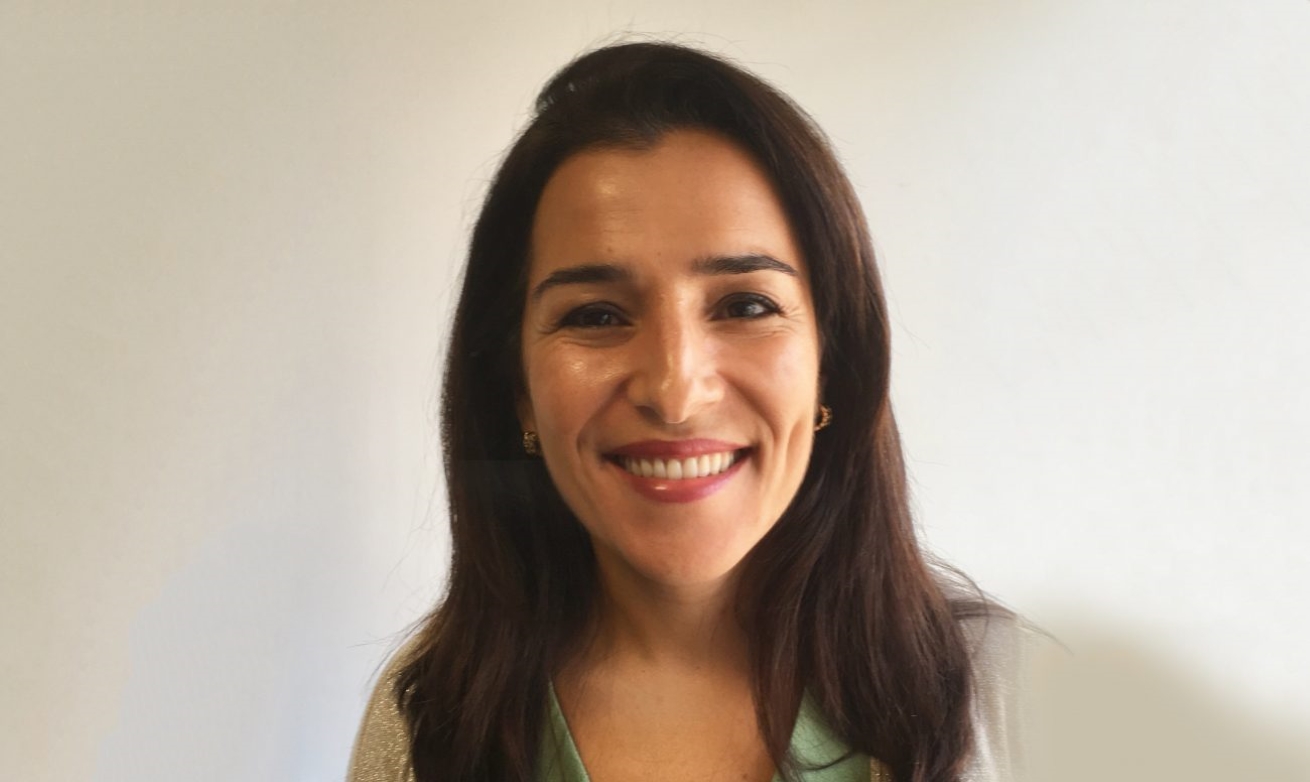
Dr. Echey Ijezie is the Country Program Director of AHF Nigeria
October 25, 2022 0 comment
0 FacebookTwitterPinterestEmail
BusinessOpinion

Sustainability is critical to a scalable and thriving business. Here’s how companies can make it a priority.

by Kwabe Ben October 25, 2022
written by Kwabe Ben

By Julia Carvalho, General Manager of Africa Growth Markets,
IBM

With governments and businesses around the world pledging and accelerating their commitment towards sustainability, debating whether to incorporate sustainability into business strategy is no longer an option but a priority for businesses.

Companies are embracing sustainability as a critical investment to realize long-term returns and gain a competitive advantage.

Prioritizing sustainability is a necessity in today’s business environment. It not only reduces the
negative impact on the environment but adds brand value, increases efficiency, meets and
satisfies customer demands, and creates new opportunities.

For decades, IBM has surveyed thousands of CEOs about their biggest challenges. In the latest
survey, sustainability ranked at the top, a five-spot jump from 2021. Nearly 60% of CEOs told us
they see significant demand from investors for greater transparency on sustainability. They are
also feeling pressure from multiple stakeholders.

Regulators and governments in most top economies have developed corporate disclosure
requirements around environmental impact.

Customers want to buy from sustainable businesses and an IBM Consumer Survey found that more than half (51%) of respondents said environmental sustainability is more important to them today than it was 12 months ago.

People want to work for and invest in sustainable companies. From the boardroom to the operations
centers, all stakeholders want to play a role in making a positive difference.

However, while 86% of companies say they already have a sustainability strategy, only 23% say
they are implementing sustainability strategies across their organization. Many organizations
with good intentions are stalled at the planning stage because implementing sustainable
practices is complex and they don't know how or where to make an impact. Despite this, the
same IBM CEO study found that 80% of CEOs believe investments in sustainability will improve
their business results within five years.

Primary steps to build and operationalize sustainability into organizations Becoming more sustainable is an opportunity to innovate, make a difference, and grow.

Organizations can take action by following these steps:

 Define your Sustainability goals. To succeed, your business needs to set and act on
clear environmental, social, and governance (ESG) goals, then execute with exceptional
data discipline across the enterprise.

 Establish your ESG data foundation. Create a clear baseline to underpin every goal
from which to determine your current impact, track progress, and implement
adjustments. This requires a single system of record to integrate and manage ESG data
that aligns with your goals. Collect, correlate, visualize, and analyze relevant data to automate the delivery of transparent, verifiable, financial-grade information and identify
where improvements are necessary.

 Operationalize your sustainability goals. Businesses must also leverage the links
between this system of record for ESG data and the underlying operating systems that
run across all the departments and business units of your organization. With these links,
you can automate feedback loops that enable actions based on insights. These insights
help drive sustainable transformation through intelligent facilities and assets, resilient IT
infrastructure, and circular supply chains.

Prioritize three key operational areas
1. Intelligent facilities and assets. Monitoring and recording operational data from your
organization’s physical assets and real estate facilities is a good start. The data you collect can
fuel insights to drive energy savings, optimize waste management, and provide predictive
maintenance data to help reduce unplanned downtime.

2. Resilient IT infrastructure. Data centers provide multiple opportunities for improving
sustainability. Upgrading IT infrastructure with newer, more energy-efficient equipment can help
reduce energy consumption and eliminate wasteful, outdated hardware. Taking steps to
improve business resiliency across your organization helps you enhance customer experiences
and productivity while you work toward meeting your sustainability goals.

3. Circular supply chains. Consumers are demanding transparent sourcing data for the
products they buy and can reuse. Deploying intelligent workflows and taking advantage of
automation opportunities not only reduces waste but also optimizes fulfillment and delivery
paths with lower carbon footprints. Solutions powered by AI and backed by blockchain can help
you progress toward a net-zero supply chain.

Conclusion

No one can do this alone. That’s why IBM and its ecosystem partners are developing a portfolio
that supports building and operationalizing sustainability. With IBM Technology solutions and
IBM Consulting expertise, we help companies set their strategy, harness their ESG data to
embed sustainability into the fabric of business, and turn sustainability ambition into action.

October 25, 2022 0 comment
0 FacebookTwitterPinterestEmail
Kipchoge named SJAK Sports Personality for the month of September
Awards & RecognitionSports

Kipchoge Named LG/ SJAK Sports Personality For The Month Of September

by Ndungu Brian October 25, 2022
written by Ndungu Brian

Double Olympic marathon champion Eliud Kipchoge has bagged the LG/ SJAK Sports Personality for the month of September.

Kipchoge won the award after his world record-breaking 2:01:09 run at the Berlin Marathon on September 25.

That performance saw him lower his own world record mark by 30 seconds and capture a fourth Berlin Marathon title, equaling Ethiopian great Haile Gebrselassie’s number of victories achieved in the German capital.

To honor this achievement, Kipchoge was awarded an LG refrigerator which doubles up as a top-mount freezer and water dispenser worth Ksh.150, 000 and a personalized trophy.

While speaking at the LG Eldoret showroom, Kipchoge hailed SJAK and LG for constantly recognizing sportsmen and women for their efforts and the glory brought to the country through their exemplary performances.

“I am happy and honored to receive this special recognition from SJAK and LG. Winning this award once again is also a testament that we should always strive for more, there are no limits but rather everything is achieved through belief and determination. Breaking the world record in Berlin was crucial for me as I wanted to inspire the human race,” Kipchoge said.

“I would also like to thank my family, my training mates, and also my coach who has supported me and whom without them I would not have achieved all these in my career,” He added.

William Kimore, the Content Manager of LG East Africa, said Kipchoge was a living legend whose achievements over the years have inspired not only athletes but also the entire human race as well.

“We at LG are very proud to associate with the accomplishments of Eliud who has demonstrated that hard work and persistence pays with his record-breaking heroics. His mantra ‘No Human is Limited’ is a further inspiration to all of us that if we just push ourselves, we can achieve more than we have previously. We are thus happy today to award him this product as a token of appreciation and encourage him to continue pursuing his goals.

To win the award, Kipchoge beat other nominees including track stars Beatrice Chebet (5000m) and Emmanuel Korir (800m) both of whom claimed Diamond League trophies in the 2022 season finale held in Zurich, Switzerland and Hellen Obiri who successfully defended her Great North Run title in the same month.

Other nominees included; Malkia Strikers opposite attacker Sharon Chepchumba who emerged top scorer for Kenya at the World Championships in the Netherlands, Karan Patel who won the ARC Rwanda Mountain Gorilla Rally in Kigali and former Hit Squad captain Nick Okoth who bagged silver at the African Championships in Maputo, Mozambique.

October 25, 2022 0 comment
0 FacebookTwitterPinterestEmail
Rise Program
EntrepreneurshipTechnology

Young Kenyan Invents iGuide ‘Porn Free’ Application

by Kwabe Ben October 24, 2022
written by Kwabe Ben

Rise Program seeks to empower and inspire young brilliant people as well as support them for life as they work to serve others.

Through the program, teens between the ages of 15-17 are offered scholarships, mentorships, access to career development opportunities, and funding as they seek to solve some of humanity’s tenacious problems.

The rise project aims at enabling teenagers to grow with a mindset of problem-solving that is offering solutions to issues that they face daily since the future belongs to the younger generation.

James Nyaga, a young Kenyan currently in form two at Starehe Boys High School has invented an iGuide Application whose sole purpose is to protect social media and internet users from access to sexual content.

The app he says is aimed at offering the consumers of social with an alternative for the dopamine rush absorbed from the consumption of pornography that is largely available on the internet hence ease of access.

His inspiration he says came from learning that a majority of internet users are trapped in extensive sexual content consumption thus he opted for a means of offering the users iGuide application to entertain them instead.

According to James Nyaga, in the I-guide app’s use, there’s an ability to safeguard the masses as they seek entertainment for iGuide is an app/ site that provides other means of dopamine attainment and eradicates pornography needs and uses amongst the people.

“I guide offers games, music, and other means of entertaining the users. The app is to be set up as a site for accessibility by people and not for business purposes as my aim is to reduce the number of porn users worldwide bearing in mind that pornhub has the hugest audience ever,” he said.

The innovator however cites some of the challenges he faces that entails the creation of the app and calls for labor that is both technical and comprehensive plus being a student, James continues developing the app as he continues with his studies.

With the support of the Rise Program, James assures that the application will be ready soon and available. It’s a passion path for him which he intends on offering to the users free of charge with a call to reduce the mind capture with porn.

“If you see somebody doing something wrong then you don’t have to copy but learn from it, that’s how I recognized this porn addiction and use as a problem and hereby want to offer an amicable solution for the people since it has immense effects on the users,” added James Nyaga.

October 24, 2022 0 comment
0 FacebookTwitterPinterestEmail
Nairobi West Hospital launches first Bone Marrow Transplant Unit in Kenya
HealthNews

Nairobi West Hospital Launches First Bone Marrow Transplant Unit In Kenya

by Ndungu Brian October 21, 2022
written by Ndungu Brian

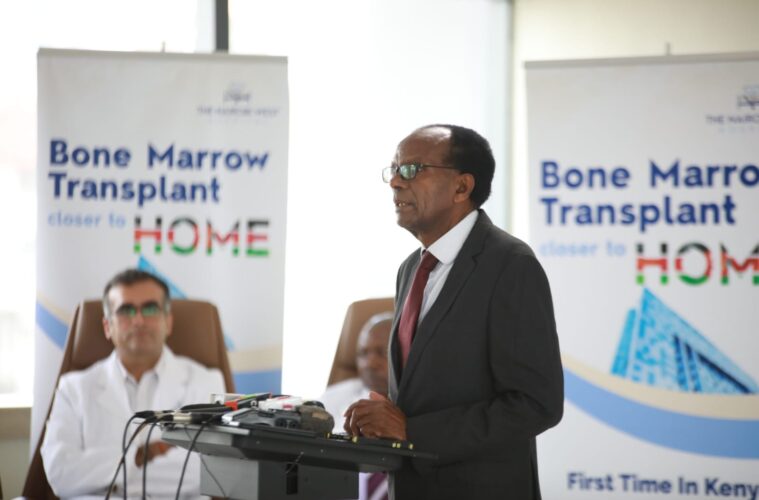
Nairobi West Hospital has launched the first Bone Marrow Transplant Unit in Kenya.

The center will provide a broad range of integrated and patient-centric services for the diagnosis and management of all kinds of blood disorders in adults and children, including cancers of the blood.

Access to quality, affordable specialized healthcare in Kenya has been a major pain point for most patients who have to travel abroad for advanced medical procedures like bone marrow transplants. An effective bone marrow transplant unit backed by world-leading specialists could make Kenya a medical tourism destination.

“The Bone Marrow Transplant Unit is an integral part of The Nairobi West Hospital, one of Kenya’s leading Level 6B multidisciplinary hospitals. The hospital aims to provide easy access to bone marrow transplants as
a possible cure for patients with complex blood disorders. Our dedicated and internationally recognized transplant specialists embrace the values of innovation, collaboration, confidentiality, empathy, integrity, and focus on providing comprehensive care to all patients. This is also an aim to be the leading BMT unit not only in East Africa but across Africa.” said Professor Andrew Kanyi Gachii, Chief Medical Director at The Nairobi West Hospital

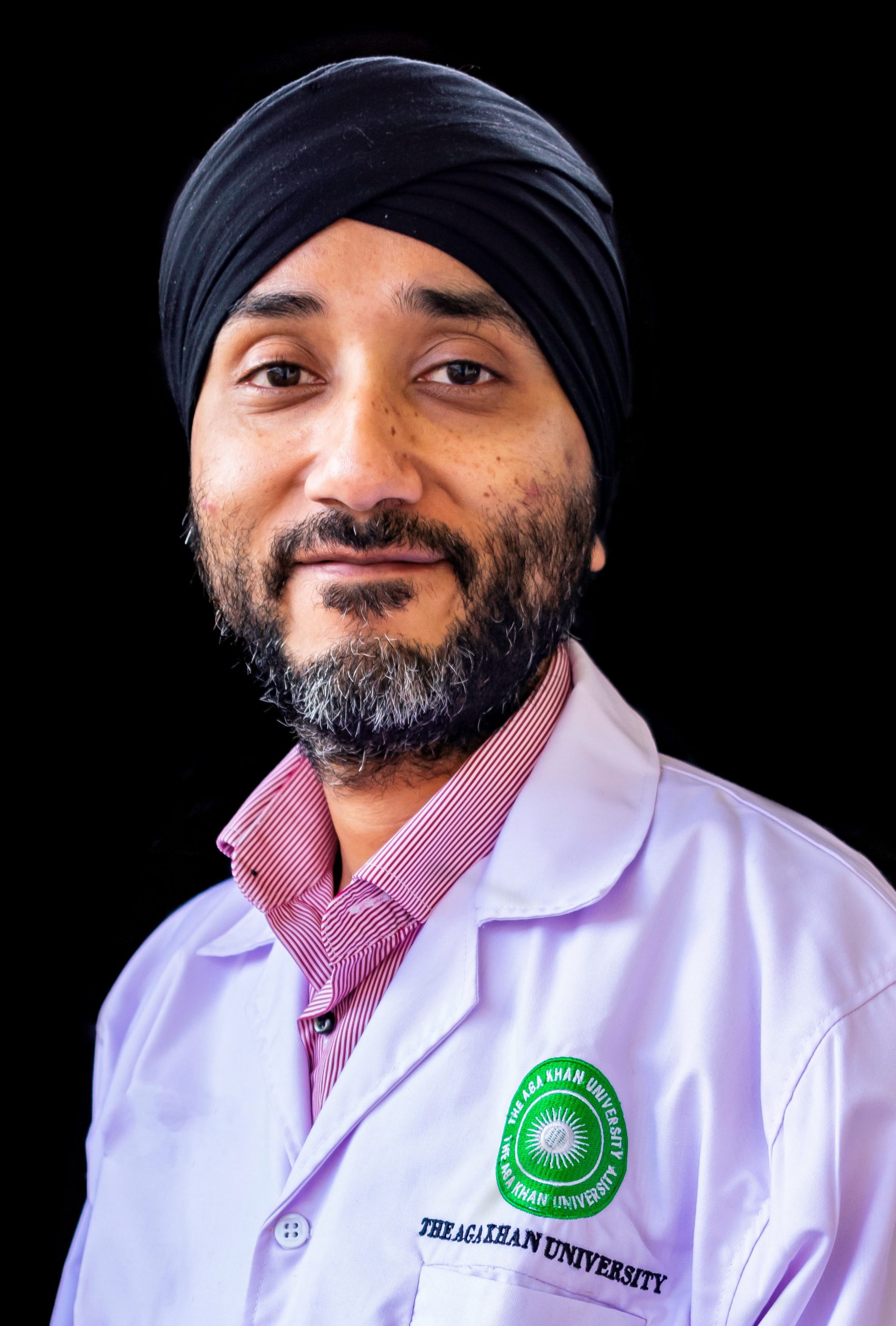
” In some instances, BMT offers the only hope of a cure in treating blood cancers like Acute Myeloid Leukaemia (AML) and Acute Lymphocytic Leukaemia (ALL), which would otherwise be difficult to treat with conventional chemotherapy alone. It is usually a safe procedure for patients with sickle cell disease if done at a young age. Other emerging indications that can be treated with BMT include Multiple Sclerosis and Paediatric immunodeficiencies. It is important to note that this therapy is evidence-based across the globe, and now readily available in Kenya to all who may need it in a world-class facility that can rival many in the west.” said  Dr. Guarav Dixit, Head of the Bone Marrow Transplant Unit.

October 21, 2022 0 comment
0 FacebookTwitterPinterestEmail
Awards & RecognitionHealth

Aga Khan University Hospital Lab is Accredited by College of American Pathologists (CAP)

by Kwabe Ben October 21, 2022
written by Kwabe Ben

The Aga Khan University Hospital, Nairobi’s laboratory has been accredited for the second time
by the College of American Pathologists (CAP), the premier accreditation body for clinical
laboratories globally.

The USA-based CAP Laboratory Accreditation helps laboratories maintain the accuracy of test
results and ensure accurate patient diagnosis. It assists laboratories manage rapidly evolving
changes in laboratory medicine and technology.

“This re-accreditation is an external validation that we are providing the highest quality of
diagnostic services that ensure quality patient care and patient safety as measured by
international standards,” said Rashid Khalani, CEO of the Hospital.

“A doctor relies on accurate and timely diagnosis to administer the correct treatment. Therefore
your treatment is as good as the diagnosis.”

The re-accreditation was a culmination of a rigorous audit process based on a review of the
hospital laboratory’s compliance with 23 checklists.

“Besides guiding us to maintain the highest standards in diagnostics, this program offers
professional development and learning opportunities for our laboratory staff and facilitates the
exchange of ideas and best practices among pathology and laboratory medicine peers,” added Mr
Khalani.

The Hospital’s laboratory was first accredited by CAP in 2018, becoming the first hospital
laboratory in Eastern and Central Africa to receive the coveted accreditation.

In addition to the CAP accreditation, the Hospital laboratory is also ISO 15189 accredited by the
South African National Accreditation System (SANAS). The hospital was first accredited by
SANAS in 2011 and has been re-accredited annually since then.

The laboratory is also accredited by the Joint Commission International, the recognized global leader in health quality standards.

October 21, 2022 0 comment
0 FacebookTwitterPinterestEmail
HealthOpinion

Dr Ravjit Sagoo Creates Awareness on benign prostatic hyperplasia (BPH).

by Kwabe Ben October 21, 2022
written by Kwabe Ben

By Dr Ravjit Sagoo, Consultant Interventional Radiologist at Aga Khan University Hospital Nairobi

If you are a man over 60 years, you probably have or are likely to have an enlarged prostate also referred to as benign prostatic hyperplasia (BPH). This is a non-cancerous increase of prostate tissue which can cause blockage of the bladder and urine flow. It is extremely common in middle-aged and elderly men, affecting up to 50% of men over the age of 60 and 90% of men over 85 years. Here’s what you need to know about this problem.

What symptoms does BPH cause?

Many men with BPH have no symptoms. However, in men with symptoms, the most common include; increased urinary frequency, with voiding small amounts of urine, especially at night, sensation of incomplete bladder emptying after urination, difficulty in starting urination, weak urinary stream, inability to urinate, leading to catheterization, urinary urgency, with difficulty in controlling urination and blood in the urine.

If I have symptoms, what are my treatment options?

Treatment is only necessary if symptoms become bothersome. Several treatment options are available depending on the severity of symptoms:

Lifestyle changes is appropriate for those with mild symptoms. This includes changes such as limiting fluid intake in the evenings, limiting caffeine intake, healthy eating and undertaking exercise.

Prescription drugs is an option for men with symptoms which are relatively more troublesome and not relieved with lifestyle changes. These includes medications such as alpha blockers and 5-alpha reductase inhibitors which relax the muscles of the prostate/bladder and reduce the volume of the prostate, respectively.

Surgery is reserved for men in whom medical therapy has not resulted in significant symptom improvement. There are many surgical options available which vary in their indications, invasiveness, effectiveness, and side-effect profile. Examples of surgical options include:

Transurethral resection of the prostate (TURP) – a common procedure in which a scope is introduced into the penis and the prostate tissue is cut away with electrical current

Laser enucleation of prostate – in this procedure, the excess prostatic tissue is destroyed by a laser

Thermal treatments – these procedures destroy excess prostatic tissue using materials such as water vapour, microwaves and other low-energy radio waves

Prostatic urethral lift – a needle is used to place implants into the prostate to aid in lifting and compressing the gland, which results in unblocking the urethra

Prostatectomy – the entire prostate gland is removed in this operation

Prostate artery embolization (PAE) is a non-surgical treatment for men who want to avoid a traditional surgical procedure (or who are deemed high risk for surgery) in which the blood supply to the prostate gland is blocked off resulting in its shrinkage. The success rate of PAE is over 85% (similar to TURP, a commonly performed invasive operation), with a low recurrence rate long-term. PAE resolves the problem rapidly and, as this procedure involves no open cut, normal activity can be rapidly resumed.

Is PAE an experimental procedure?

No. PAE is an established, minimally invasive procedure and represents a treatment option for BPH. In the UK and USA, national guidelines recommend that the procedure should be one of the options considered for certain men with symptomatic BPH. It is a relatively new application of a longstanding technology, as embolization has been performed successfully for decades by Interventional Radiologists to treat a variety of conditions throughout the body.

Where is the PAE procedure carried out?

The procedure is carried out in a Catheter Laboratory (Cath Lab). Patients normally need to spend one night on the ward after the procedure, usually being discharged the following morning. Certain patients can be discharged the same evening of the procedure.

What preparation is needed before PAE?

Following a full review and discussion of the treatment options with a urologist and interventional radiologist, a CT scan is carried out to look at the prostate gland and its blood vessels in detail to help determine the most appropriate treatment option. In addition, a urine flow test and a few blood tests may be required in preparation for PAE.

On the day of the procedure, you will be processed for admission where necessary, you must not eat or drink for 6 hours before the procedure and should continue with most of your medications which are normally pre-discussed before the procedure.

What is involved in the PAE procedure itself?

The procedure is carried out by a consultant interventional radiologist (a doctor who has specialised in treating a variety of conditions using minimally invasive techniques under X-ray guidance). Other staff in attendance includes nurses and radiographers.

PAE is performed under local anaesthesia (or very light sedation) and involves no blood loss. A tiny opening (1.5mm) is made in the skin (mostly in the left wrist, but sometimes above the right leg) to allow a very fine tube to be passed into a blood vessel, the tube is moved along the blood vessels until the blood vessels supplying the prostate are reached after which a special substance is then injected to block the blood vessels. All of this is visible on an X-ray screen. The procedure generally takes 1-2 hours to complete.

What can I expect after PAE?

Immediately after the procedure, you will be taken to the recovery area where the nurses will monitor your heart rate and blood pressure and check that you are not in any pain. Once they are satisfied, you will be sent to the ward to recover further.

Most patients experience no symptoms during the procedure, but a few may experience mild pain, burning or a hot feeling in the urethra or around the anus. The symptoms are easily controlled with appropriate medication.

In general, you can get out of bed and start walking 6 hours after the procedure (sooner if the left wrist was used for access).

You are usually able to go home the morning after the procedure (certain patients can be discharged on the same evening). We will give you a prescription for painkiller tablets which you can take for 3-5 days (if needed).

Avoid driving for at least 2 days after the procedure but you can return to work after one day.

The prostate will shrink slowly over the following few days/weeks and symptoms continually improve during this time.

Are there any risks?

As with all procedures there are occasional problems that can occur, these include;

 Infections. There is a small risk of urinary tract infection developing after the procedure, even though antibiotics are routinely given before the procedure. Most of the time, this can be treated with simple antibiotics.

Bruising/Haematoma. This can sometimes occur at the site of access in the upper leg/left wrist, although it is usually self-limiting.

Blood in urine. This occurs in some patients but usually disappears in a day or two.

Post embolization syndrome. Sometimes following PAE, you may experience symptoms like the flu. This usually lasts a couple of days and is simply treated with paracetamol and bed rest

Urinary retention. This is quite rare, however if it does occur, a urinary catheter will be needed for a few days until settled.

Will my sexual function be affected?

Based on studies to date, we know that patients treated with PAE for BPH have not experienced a decline in sexual function (including retrograde ejaculation and erectile dysfunction).

Are there any patients who cannot have PAE?

The presence of urological cancer e.g., prostate or bladder is a contraindication for PAE.

It may not be possible to perform PAE in men with extremely tortuous (twisted) blood vessels leading to the prostate.

October 21, 2022 0 comment
0 FacebookTwitterPinterestEmail
Businessfood

Maize Flour Prices Puzzle Still Unsolved, Incoming CS Linturi Says

by Kwabe Ben October 21, 2022
written by Kwabe Ben

Incoming Ministry of Agriculture Cabinet Secretary (CS) Franklin Linturi has said prices of maize flour will not go down anytime soon unless the Government re-introduces the subsidy programme.

“The price of unga…..(I also) do not think (it) will go down immediately unless government is willing and ready to continue with the subsidy to bring down the cost of unga…,” Linturi was responding to a question from Samburu West MP Naisula Lesuuda while being grilled by the National Assembly’s Appointment Committee.

The maize flour subsidy had been introduced by former president Uhuru Kenyatta and saw a drop in prices from Ksh 200 to Ksh 100 even though it was scrapped by President William Ruto after his inauguration.

Maize prices have remained high across the country amid a prolonged drought period that has impacted production, pushing up the cost of flour, a staple food in Kenya.

The president emphasized the need to support farmers in production rather than dealing with subsidizing food for the consumers since two kg of maize flour has been going from Ksh  120 to Kshs 190 as of January.

“The unga subsidy that was done I was being briefed by the Agriculture Ministry, the taxpayer was asked to give Sh7 billion for one month, the Sh100 packet which was nowhere in the first place,” President Ruto said earlier.

President William Ruto has, however, affirmed his support for production as a means of combating food scarcity and hunger that has left several Kenyans starving due to long durations of little or no rainfall at all.

“If we had spent Sh7 billion in fertilizer, it would have been a very different programme,” he added.

October 21, 2022 0 comment
0 FacebookTwitterPinterestEmail
Content creators to win Ksh. 1.2 Million in Safaricom YouTube Shorts campaign
Lifestyle & EntertainmentNews

Content Creators To Win Ksh. 1.2 Million In Safaricom, YouTube Shorts Campaign

by Ndungu Brian October 21, 2022
written by Ndungu Brian

Safaricom has announced a partnership with Google to promote and grow Short Video content (YouTube shorts) on YouTube by offering low-cost bundles for its users.

The two-month campaign will see Safaricom customers enjoy affordable 1GB data bundles for as low as KES. 10 to view and post content on their YouTube channels.

The campaign will run alongside a contest dubbed YouTube Shorts challenge under #Safaricomshortschallenge, where individuals who create and upload a unique YouTube Shorts Video in any category (Comedy, Dance, How To, Food & Culture, Lifestyle, Fitness, Farming, Technology, Arts & Crafts etc) stand a chance to win weekly cash prizes and a grand cash prize.

The weekly cash prize awards will recognize 15 content creators who will take home between KES. 5,000 to KES. 120,000. The grand cash prize awards will go to 10 content creators.

The topmost-ranked content creator with the most likes and views will take home KES. 1.2 million at the end of the campaign. The second and third-ranked winners will get KES. 800,000 and KES. 600,000 respectively.

The new data offer comes a month after Safaricom unveiled a new brand campaign dubbed “Tuinuane” that aims to encourage Kenyans to uplift one another.

To purchase the daily KES 10 for 1GB Data bundles for the YouTube shorts challenge, customers just need to dial *544*55#.

October 21, 2022 0 comment
0 FacebookTwitterPinterestEmail
AviationCovid-19

Fly 748 Calls For Collaboration To Enhance Air Safety Standards Post-COVID

by Brian Yatich October 21, 2022
written by Brian Yatich

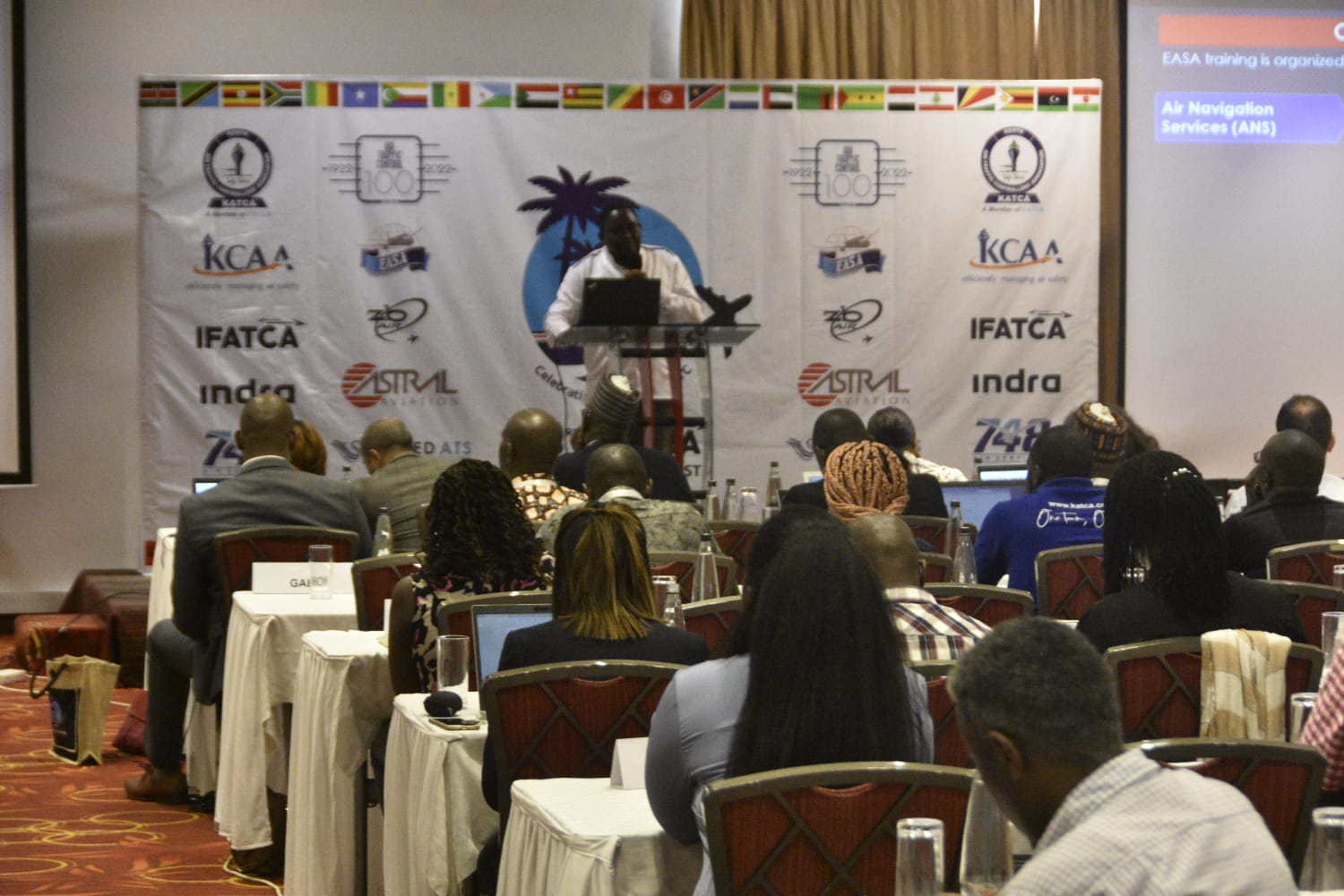
Fly 748 has called for closer collaboration to enhance safety standards as airlines across the industry are on a recovery path post-COVID.

According to Moses Mwangi, the airline’s Managing Director he says there is still a huge opportunity for local airlines to partner in including oversight in areas of reporting and investigations and safety data information sharing.

“We need to adopt a more aggressive approach to manage recurrent operational risks, and learn from each other while incorporating international best practices if we are to uphold and rise even higher in bolstering our safety standards,” said Mwangi.

Mwangi spoke ahead of a three-day conference on air safety in Mombasa. The 33rd International Federation of Air Traffic Controllers Associations (IFATCA), the regional meeting brought together over 200 air traffic controllers and other aviation professionals from across Africa and the Middle East.

Kenya Air Traffic Control Association President, Joshua Ngere has reaffirmed their commitment to air safety to manage a growing number of travellers taking it to the sky.

“We need to re-strategise air traffic control as it increases post-COVID. we have working papers that will help us deal with the growing numbers,” said Ngere.

Ngere called on all stakeholders to maintain high standards of training and strict adherence to rules and regulations as well as standards set either by the industry at the international or at the operator level.

Kenya Civil Aviation Authority Director General, Emile Nguza said the only way to work together to bolster the industry is through collaborations from the operator’s, regulator and service provider’s side.

“Each one of us should learn to exchange different experiences that we encounter so we may give a certain level of exposure to stakeholders who may not necessarily realise that a particular challenge in the field is an urgent concern,” said Nguza.

Fly 748 was among the airlines, air operators, equipment suppliers, and aviation training schools that showcased their products and service offering at the conference.

“This is a forum that exposes aviation professionals to critical aeronautical information, their link to aviation safety and track commitments made by operators,” said Mwangi.

October 21, 2022 0 comment
0 FacebookTwitterPinterestEmail
Newer Posts
Older Posts

Ad

Recent Posts

  • Wangaya crowned SportPesa premier league player of the month for April

    May 9, 2026
  • ADAS summit in Nairobi unveils Kenya Token™ ahead of 2026 launch

    May 6, 2026
  • Mastercard Expands Blockchain Play with Yellow Card Partnership

    May 6, 2026
  • Only four African economies are structurally ready to industrialise at scale

    May 6, 2026
  • Why global HR frameworks don’t always hold up in Kenya

    May 5, 2026

HANDBOOK LAUNCH

  • Mr. Zacharia Mwangi the Cabinet Secretary for the Ministry of Lands, Public Works, Housing and Urban Development Receiving a copy of Kisumu Handbook
  • LVBC Executive Secretary Dr. Masinde Bwire receiving a copy of Kisumu Handbook
  • Governor Homabay Gladys Wanga Receiving Kisumu Investment Handbook
    Gladys Wanga, the Governor for Homabay receiving a copy of Kisumu Investment Handbook
  • LVBC Executive Secretary Dr. Masinde Bwire receiving a copy of Kisumu Handbook
  • Mr. Zacharia Mwangi the Cabinet Secretary for the Ministry of Lands, Public Works, Housing and Urban Development Receiving a copy of Kisumu Handbook
  • Governor Homabay Gladys Wanga Receiving Kisumu Investment Handbook
    Gladys Wanga, the Governor for Homabay receiving a copy of Kisumu Investment Handbook

Upcoming Handbook Editions

The East African Business Times Limited @2025 - All Right Reserved.


Back To Top
The East African Business Times
  • Home
  • Business
    • Finance & Banking
    • Insurance
    • Entrepreneurship
    • Agribusiness
    • Technology
      • Cyber security
      • Mobile
    • Property & Real Estate
  • Special reports
    • East Africa
    • Awards & Recognition
    • Climate Change
    • Energy
    • Lifestyle & Entertainment
      • Health
      • Tourism
      • Sports
  • Opinion & Analysis
  • Media OutReach Newswire